Under Atrium Lights in Kuala Lumpur, Commerce Dresses Up as Culture
Carven Ong transforms Intermark Mall into a pink enclave for the inaugural KL Fashion Festival, testing whether retail corridors can sustain an independent creative economy
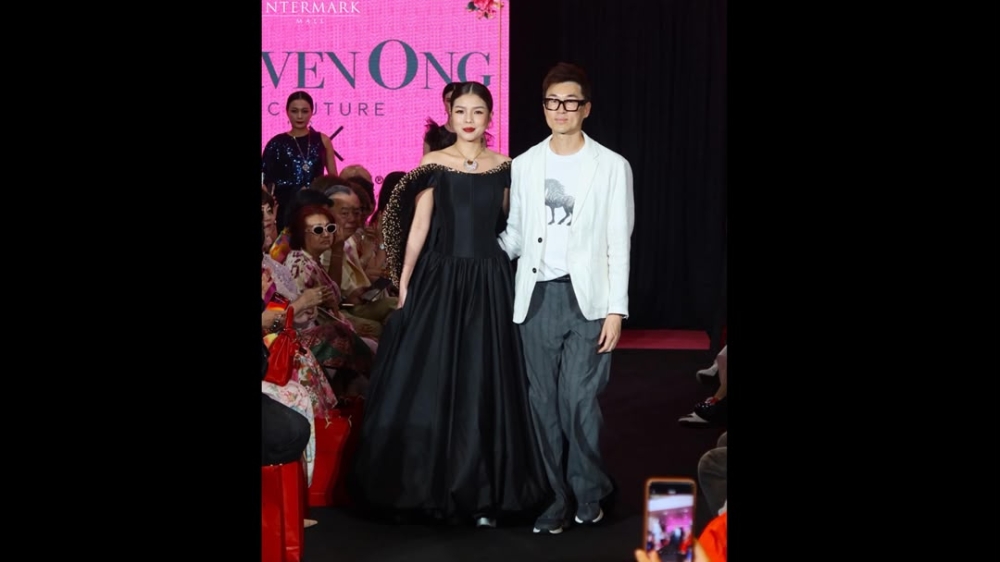
KUALA LUMPUR
Pink installations wrap the polished stone walkways of Intermark Mall, turning an ordinary commercial enclosure in central Kuala Lumpur into a sudden proscenium. Shoppers navigating the building on an October afternoon encounter something that demands their visual compliance before they reach the escalators. The inaugural Kuala Lumpur Fashion Festival, initiated by designer Carven Ong, has claimed the atrium floor as an arena for top domestic fashion labels. It is an arrangement that asks visitors to reorient their expectations of urban public gathering in Malaysia. The setting does not mimic an open civic square.
Instead, it relies entirely on the discipline of private perimeter walls.
Retail complexes across Southeast Asia have long functioned as air-conditioned civic shelters, standing in for town centers in capitals where humidity and motor traffic drive social interaction indoors. By staging KLFF 2026 in such an atrium, organizers take advantage of an established footfall rather than constructing an independent cultural space. The gathering offers immediate visibility to local garment design without requiring patrons to seek out a gallery or an independent warehouse venue.
Yet this tactical convenience introduces an inherent friction. A shopping center exists to extract transactional revenue, organizing sightlines toward storefronts and dining leases. High fashion, conversely, asserts an identity rooted in aesthetic exploration and uncompromised craft. When a festival drapes a commercial mall in monochrome pink, it raises an obvious question about hierarchy. Does the designer co-opt the retail environment, or does the commercial landlord simply assimilate creative talent as seasonal decor to stimulate foot traffic?
The Enclosed Public Stage
Staging domestic couture inside an active retail complex tests whether regional fashion can project authority without surrendering its voice to landlord priorities.
There is a pragmatic counterweight to this skepticism. Establishing independent creative quarters requires municipal subsidies and real-estate security that emerging creative industries across the region rarely possess. Commercial atriums provide working infrastructure, dependable logistics, and immediate audiences who might never otherwise inspect local couture up close. Carven Ong operates within these practical boundaries, accepting the commercial vessel to secure a platform for Malaysian designers whose work might otherwise stay sequestered inside private showrooms.
Even so, reliance on commercial atriums carries long-term consequences for creative autonomy. A showcase bounded by commercial leaseholders must balance its expressive ambitions against the polite comfort of retail shoppers. Provocation gives way to accessibility; architectural experimentation submits to the existing layout of storefront corridors. The audience is invited to celebrate national creative talent, yet the architecture constantly reminds them that they remain, first and foremost, paying consumers in transit.
Borrowed space always exacts a price.
Looking down from the upper tiers of Intermark Mall, the temporary pink installation shows its true character as a fragile, impermanent overlay on corporate infrastructure. It demonstrates resourcefulness in securing an audience under challenging conditions, but it also marks the boundaries of urban cultural territory. When the lighting rigs dismantle and the pink displays come down, the atrium returns swiftly to its neutral retail discipline. The creative community will continue to navigate these borrowed hallways, waiting for spaces that belong entirely to their work.
Sources
Newsletter
Pacific Daily
A curated briefing from Thailand, Asia-Pacific and the world.