Nobel Prize Adjustment: Financial Weight in Asia-Pacific Context
An increased Nobel prize amount is set for 2026, but its financial impact for laureates in high-cost Asia-Pacific markets requires consideration beyond the nominal figure.
SINGAPORE
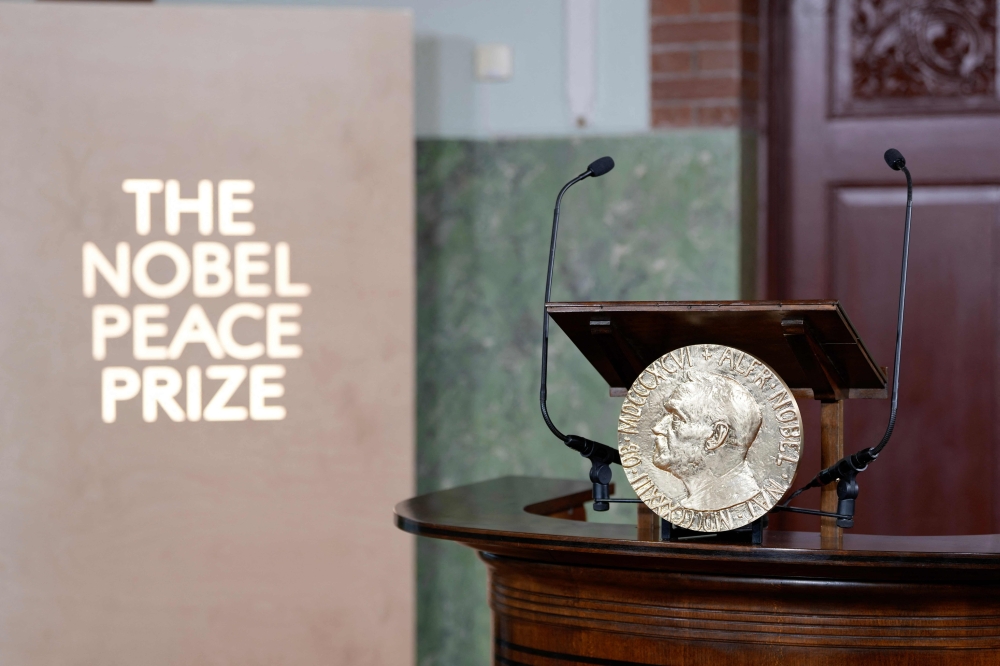
The Nobel Foundation has announced that Nobel prize-winners, to be announced October 5-12, 2026, will receive US$1.21 million. This figure represents an increase from previous award amounts, marking a notable nominal adjustment.
For a recipient located in the Asia-Pacific, particularly within established urban centers, this sum carries specific financial implications. The question of its actual impact hinges on the prevailing economic conditions and cost of living in these regions. While US$1.21 million is a substantial individual award, its purchasing power and capacity to effect significant change in a laureate's financial landscape can be relative.
In markets characterized by elevated property values and high operational costs, this amount, while significant, may not fundamentally alter long-term financial trajectories. Its capacity to fund large-scale research initiatives, establish enduring institutions, or provide substantial personal wealth in these environments depends on factors beyond the prize itself. The prize is a singular event, and sustained financial impact for a laureate often derives from subsequent opportunities, not solely from the initial award. The increase may allow for greater immediate flexibility or personal security, but its broader implications are constrained by the economic realities of the region.
The Nobel Prize primarily functions as an acknowledgment of intellectual achievement and a platform for influence. The financial component, while noteworthy, often serves as a recognition of past work rather than a primary catalyst for future large-scale endeavors that require sustained, extensive funding. The award provides an incentive, yet the long-term infrastructure for innovation remains the critical determinant.
This development highlights the ongoing discrepancy between the recognition of intellectual contributions and the economic requirements for impactful work globally. The Nobel Foundation has adjusted its prize, but the challenge of attracting and retaining skilled individuals in fields critical to societal progress, especially where property and living costs remain high, still depends on broader governmental and institutional support. A laureate might be able to secure a notable residence in a desirable urban area or allocate funds towards a specific research project, but the scale of transformation is tempered by regional economic factors.
The fact that Donald Trump, as reported by Reuters in 2025 and 2026, has expressed a desire for a Nobel Prize and was among 287 nominees for the 2026 Nobel Peace Prize, indicates that the prestige and recognition associated with the award remain paramount, often overshadowing the monetary value. The experiences of Nobel laureates like Maria Ressa, who was cleared in a Philippine tax case in 2023, and Liu Xiaobo, who died in 2017, underscore that the prize often intersects with complex political and personal circumstances, where financial gain is but one dimension of its significance.
Sources
Newsletter
Pacific Daily
A curated briefing from Thailand, Asia-Pacific and the world.