A Nine-Year Order Yields Along the Pacific Rim
The sudden collapse of British Columbia's governing establishment exposes how quickly administrative habits dissolve when electoral margins narrow to double digits.
Long tenures in provincial governance cultivate a distinct civic rhythm, accustoming municipal bodies and trade partners to predictable habits of consultation, budgeting, and regulatory enforcement. That established cadence ended on Saturday night. The decisive majority secured by Lorne Doerkson and the Conservative party in the 2026 provincial general election brings an abrupt conclusion to more than nine years of BC NDP-led administration in British Columbia. For observers watching across the Pacific Rim, where regulatory continuity across Canadian ports anchors maritime trade strategies, this sudden displacement indicates that coastal stability can dissolve far more rapidly than institutional arrangements usually allow.
David Eby called this snap provincial election two years early last month, wagering that policy continuity would withstand widespread voter fatigue. The calculation collapsed. Premier David Eby conceded defeat on election night and announced he would step down as BC NDP leader, ending an era shaped by aggressive state intervention in housing and resource allocation. What had been constructed over nine years as an entrenched social-democratic consensus yielded within weeks to an opposing mandate, leaving the machinery of provincial ministries open to wholesale bureaucratic realignment.
The Fragility of Familiar Mandates
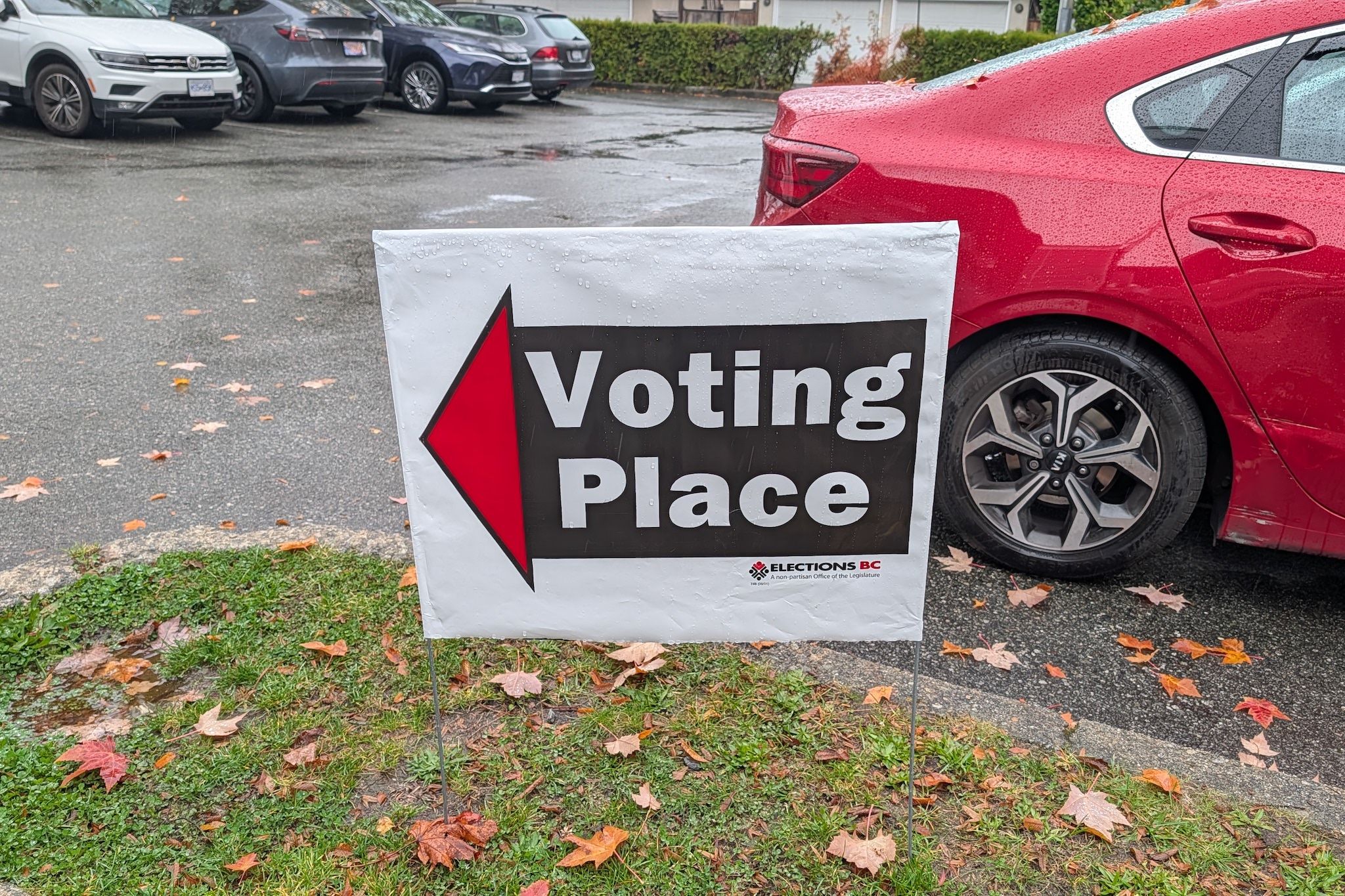
Yet beneath the sweeping provincial headline lies an entirely different texture of civic sentiment, marked by microscopic splits that defy sweeping partisan declarations. In urban districts like Burnaby South-Metrotown, preliminary tallies reported by Elections BC by Sunday morning showed just 66 votes separating the top contenders. Paul Choi gathered 5,811 votes against 5,745 for Conservative David Xie. A margin of sixty-six ballots in a major urban riding is an infinitesimal divide. Metro Vancouver ridings demonstrate that while voters registered broad discontent with the incumbent executive, individual urban neighborhoods remain profoundly torn over which civic protections to discard and which to preserve.
The decisive majority secured by Lorne Doerkson brings an abrupt conclusion to more than nine years of provincial administration.
This friction speaks directly to the unresolved contest between civic continuity and disruptive reform. Burnaby City Council and the wider administrative framework of the City of Burnaby spent nearly a decade aligning zoning rules, transit corridors, and community compacts under provincial guidelines that favoured collective municipal support. Those assumptions are now uncertain under Doerkson. Even as Conservative candidates captured broad discontent across regional interiors, metropolitan corridors proved far more hesitant to dismantle the established apparatus.
What Replaces the Established Pattern
For regional partners in Asia and across the Pacific, British Columbia functions as the indispensable western gateway to North America, where predictable port management and infrastructure commitments have long guided long-term bilateral planning. When an administration is retired so decisively, the institutional memory accumulated across departments disappears with it. That loss of continuity inevitably complicates regulatory routines for external observers who had calibrated trade agreements to a predictable social-democratic cabinet.
Whether Doerkson intends to dismantle existing social programs or simply redirect provincial spending toward private sector deregulation remains unconfirmed as cabinet deliberations begin. By 9 a.m. on Sunday, several ridings across British Columbia still lacked projected winners, leaving preliminary counts suspended in narrow technical margins. The established civic order has broken, leaving behind an uneasy interregnum where a new administration must govern an electorate that is sweeping in its mandate, yet deeply fractured within its metropolitan core.
Sources
Newsletter
Pacific Daily
A curated briefing from Thailand, Asia-Pacific and the world.