The True Labor Behind Vancouver's Nine-Year Soy Braise
Discounted anniversary items expose the technical discipline required to keep traditional Cantonese roasting kitchens viable across the Pacific Rim
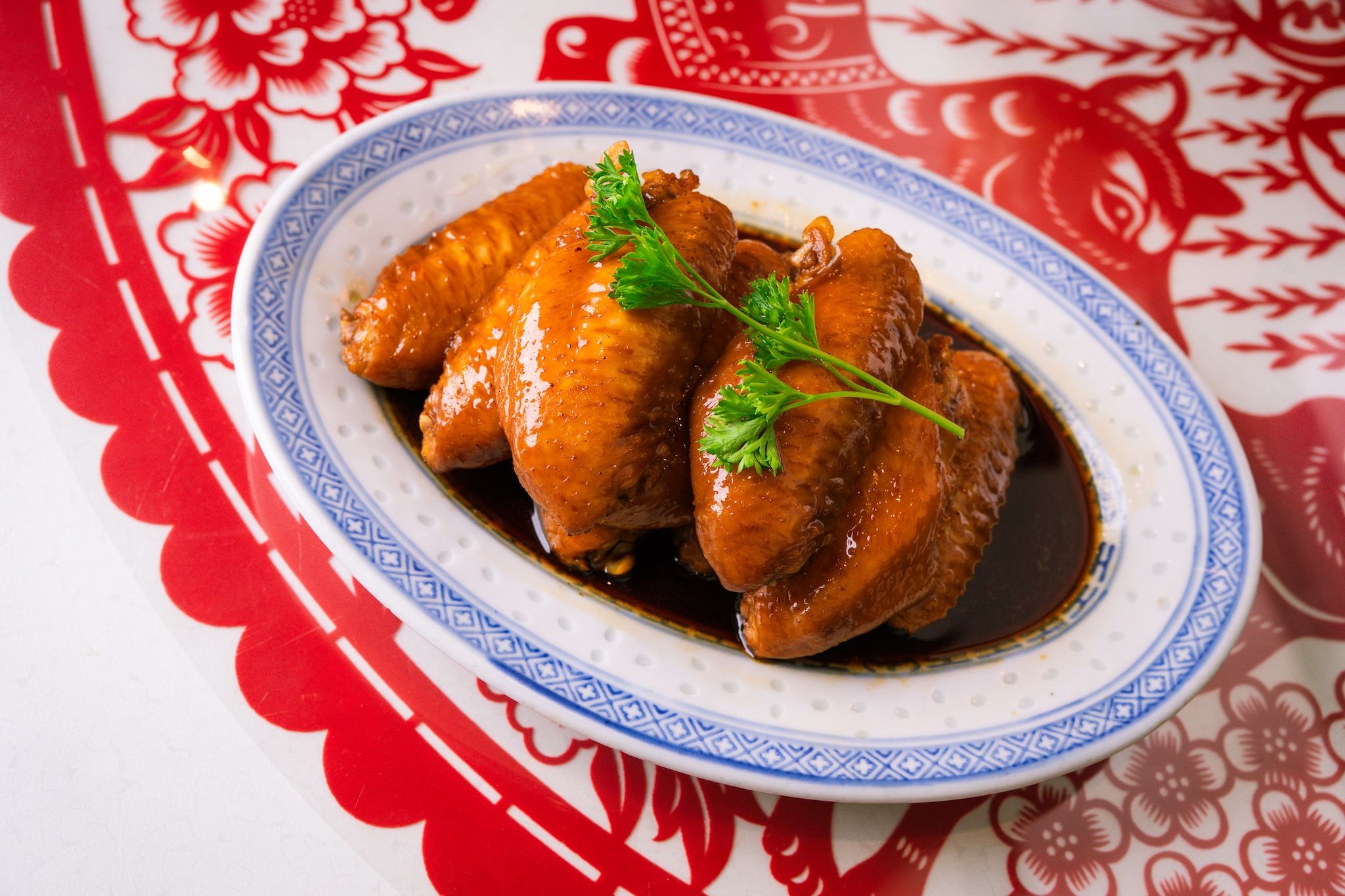
Mastering a Cantonese soy master stock demands constant calibration of heat, gelatin, and evaporation. When Chinatown BBQ marked nine years of operating on Vancouver's historic streets with a limited three-day promotion of ninety-nine-cent braised wings from Nov. 3 to 5, consumer attention immediately fixed on the nominal price. Bargain promotions generate long lines, yet beneath the transactional excitement lies a complex production cycle that traditional kitchens struggle to maintain in contemporary urban centers.
Cantonese roasting and braising rely on compounding culinary equity over time. The foundation of such poultry work rests on lu shui, the spiced soy bath that deepens in character across successive services as proteins surrender fat and collagen back into the liquor. According to the kitchen's culinary description, the wings steep in this dedicated soy braise until tender with physical bounce, receiving a sweet finishing glaze and an accompaniment of spicy scallion sauce. Executing that texture requires precise thermal control. Poultry skin softens rapidly under prolonged immersion, risking structural collapse if simmering runs unchecked even slightly.
The Economics of Diminishing Margins
Preserving such exacting techniques across nine uninterrupted years is an operational anomaly rather than an industry standard. Small heritage operations face steep procurement expenses, climbing utility tariffs, and severe neighborhood demographic transitions. Discounting a centerpiece preparation to ninety-nine cents with the purchase of an entrée serves as a classic foot-traffic tactic. It invites scrutiny over how independent food businesses reconcile cultural stewardship with raw solvency.
Promotional pricing of this sort functions as an intentional loss mitigation strategy, banking on entrée volume to absorb the labor hours spent skimming, skimming again, and monitoring stock pots. The preparation of scallion condiments and finishing glazes consumes skilled station labor that mechanical shortcuts cannot replicate. When kitchens discount hand-finished components, they risk conditioning diners to undervalue the specialized craftsmanship underpinning Cantonese vernacular cooking.
Advocates of anniversary promotions argue that short-window pricing democratizes neighborhood access. Lowering price thresholds for three days rewards generational regulars and draws younger diners who might otherwise bypass legacy dining rooms. That influx undeniably generates immediate register receipts and digital engagement across broader metropolitan communities.
They’re aromatic, tender, with the perfect amount of bounce.
Preserving Craft Against Convenience
Short-term retail surges rarely solve structural culinary deficits. Once temporary discount windows close, kitchens must still confront the punishing daily economics of manual braising. A master stock demands non-stop sanitation, daily boiling cycles, and constant aromatic replenishment using star anise, cassia, dried citrus peel, and aged soy sauces. Unlike commercial fryers that churn out standardized poultry within minutes, disciplined braising stations cannot simply expand batch capacity on demand without degrading textural elasticity.
Prolonged survival across Pacific coastal enclaves demands more than occasional celebratory gestures. Independent Cantonese roasting houses navigate an environment where industrial central kitchens increasingly supply vacuum-sealed braises to casual dining franchises. When a kitchen insists on maintaining house-made soy braises and scratch-built scallion oil for nine years, its enduring accomplishment is technical preservation under compounding economic pressure.
Celebratory discounts demonstrate that an appetite for classical Cantonese technique survives across coastal communities. The persistent uncertainty is whether patron enthusiasm will endure at full market price when the promotional banners come down. Sustaining traditional craft requires diners to pay for the unseen hours behind the braising pot, not merely the spectacle of cheap poultry.
Sources
Newsletter
Pacific Daily
A curated briefing from Thailand, Asia-Pacific and the world.