The Quiet Dispersal of the Diasporic Table
As a long-standing Vancouver establishment shutters its urban doors, the migration of Southeast Asian dining reveals shifting realities of community survival.
SINGAPORE
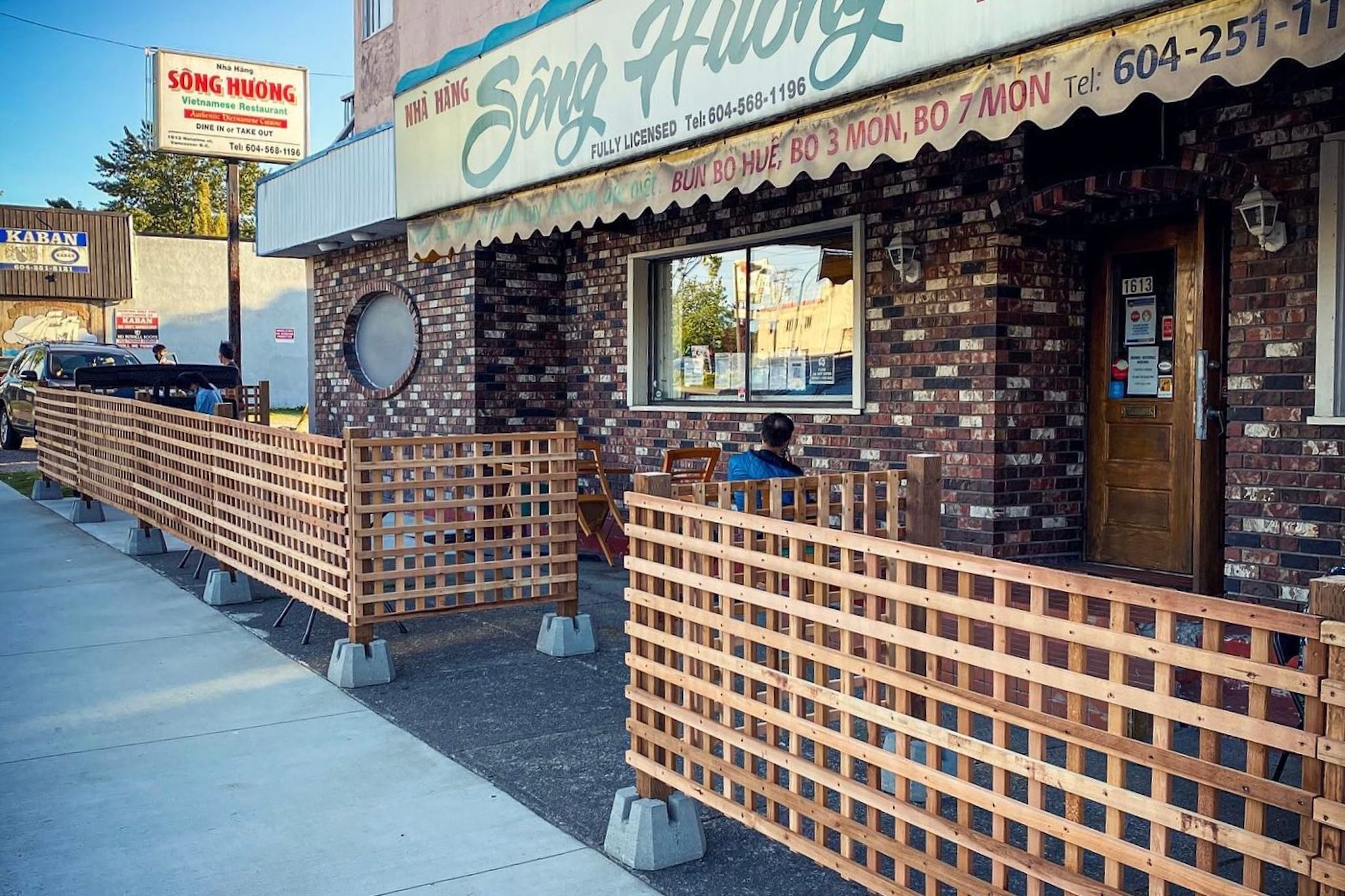
Immigrant dining rooms sustain their longevity through an unwritten domestic rhythm, where familiar broths anchor displaced communities to specific street corners long after their initial arrival. For three decades, that anchor held at Song Huong Vancouver. The establishment announced through an Instagram post that it had shuttered its urban doors, concluding an operational run that began in 1996. In its farewell statement, the family reflected on watching generations of patrons mature across thirty years of service, having transformed what began as a modest domestic enterprise into an enduring communal fixture. To metropolitan diners, the disappearance of a dependable bowl of Bun Bo Hue or chicken pho registers as an abrupt rupture in neighborhood ritual, yet the closure illuminates an unfolding transformation across the Pacific rim.
Culturally, the foodways established by Vietnamese arrivals in late-twentieth-century North America operated as informal community anchors as much as commercial enterprises. The diasporic table offered cultural continuity alongside basic sustenance, serving as an unheralded settlement space for families adjusting to unfamiliar surroundings. In cities such as Vancouver, these independent ventures appear to have survived periodic downturns, rising operational overheads, and changing urban tastes largely because they relied on intergenerational labor. Managing such kitchens often demanded relentless physical endurance, an arrangement where relatives shouldered unspoken burdens to absorb costs that narrow commercial margins could rarely accommodate. What appeared to customers as effortless hospitality was frequently supported by family members trading personal leisure to keep the enterprise solvent.
Shifting Borders of Community Space
Public sentiment around such closures frequently casts the departure as an uncomplicated cultural loss, mourning the erosion of historic enclaves under commercial redevelopment. That nostalgic lens, however, overlooks the structural friction that defines running an independent family business across multiple decades. When Song Huong confirms the closure of its central Vancouver address while continuing to direct patrons toward its Burnaby location, the transition suggests a strategic adaptation rather than total defeat. This geographic dispersal of the diasporic table traces a broader suburban decentralization across Pacific metropolitan areas, where traditional hubs are reconfigured by changing residential patterns.
Demographic progression also reshapes the commercial reality of immigrant catering. Second-generation descendants rarely regard fifteen-hour kitchen shifts as their primary avenue of economic advancement, having frequently used the security generated by their parents to enter distinct professions. At the same time, customer bases have dispersed outward toward outer jurisdictions, drawn by housing costs and changing commercial hubs. The continuation of heritage dining establishments increasingly relies on following this outward migration rather than maintaining high-cost outposts in densifying city cores. Suburban locations allow family businesses to operate with more manageable overheads while retaining ties to community members who made identical moves.
Since 1996, our family has been blessed with the opportunity to serve our community. What started as a small family business grew into a place filled with laughter, good food, and so many cherished memories.
The Real Cost of Persistence
Sustaining culinary traditions through independent storefronts reveals an enduring economic dilemma. Patrons routinely expect family-operated Southeast Asian restaurants to serve accessible bowls of Bun Bo Hue and chicken pho, prizing their informal atmosphere while simultaneously decrying their vulnerability to rising commercial rents. Such expectations inadvertently place the entire burden of cultural continuity upon aging immigrant proprietors, asking them to maintain accessible pricing even as basic operating costs escalate. When operating costs outpace what diners are willing to pay for heritage dishes, the business model reaches an unavoidable reckoning.
Consolidating suburban operations in Burnaby offers a practical alternative for proprietors, but it undeniably alters the social role of immigrant food. Relocated beyond dense pedestrian districts, the diasporic table transitions from accessible daily urban infrastructure into a planned destination. The shuttering of Song Huong's long-running Vancouver dining room indicates how contemporary urban centers readily embrace immigrant food cultures without necessarily resolving the underlying financial strains faced by those who prepare them. What remains unresolved is whether urban communities will learn to acknowledge the full economic cost of preserving these kitchens, or whether they will notice them only after the doors have permanently shut.
Sources
Newsletter
Pacific Daily
A curated briefing from Thailand, Asia-Pacific and the world.