The Diasporic Panini Press and the Reality Television Kitchen
Katy Cheung’s trajectory from Hong Kong sandwiches to Canadian competition screens shows how Cantonese technique survives institutional neglect, even as televised formats demand personal branding over kitchen economics.
SINGAPORE
Culinary technique rarely originates in the classroom, yet the professional industry remains obsessed with institutional pedigree. Classical French kitchens spent decades enforcing rigid apprenticeship hierarchies, treating formal credentials as the sole arbiter of competence. When self-taught cooks bypass that apparatus, they expose an uncomfortable reality about how culinary heritage actually travels across the Pacific.
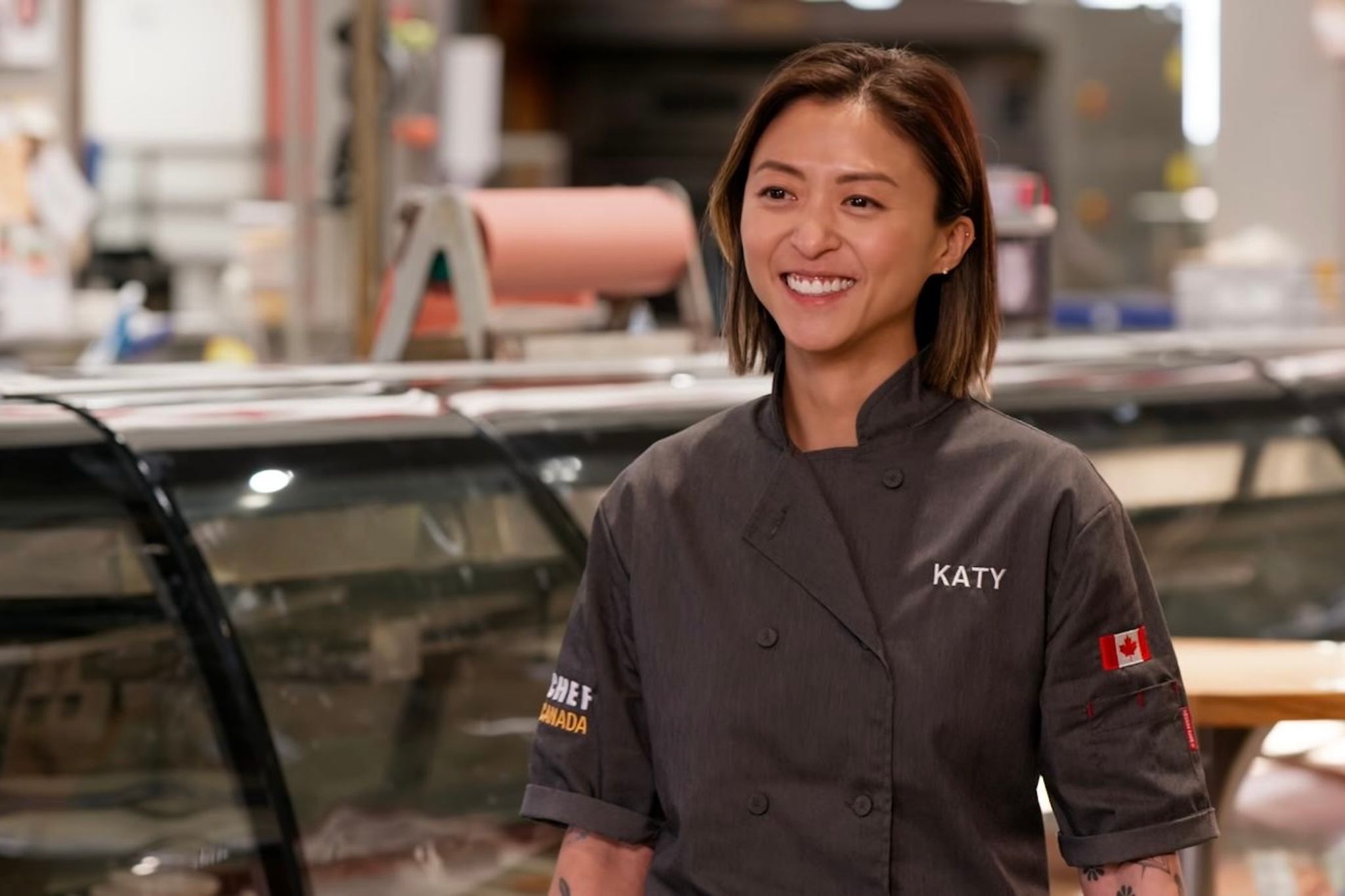
Vancouver chef Katy Cheung enters the premiere of Top Chef Canada Season 13 as one of three returning alumni, having finished in the top three during her previous season. Her trajectory did not follow the traditional path through formal academies. Without culinary school training, her cooking career started through an informal Facebook album titled “I Like Making Sandwiches,” posted while studying as a UBC sociology student. That digital archive evolved into a Hong Kong-based sandwich concept operated with friends, featuring globally and Cantonese-inspired menu options before she transitioned into professional kitchens.
The Street Format as Culinary Repository
To understand Cheung’s Cantonese and Pacific Northwest cooking, one must examine the operational discipline of the casual counter. Sandwiches demand precision in balance, moisture management, and heat retention. Taking Cantonese profiles and adjusting them into a bread-bound vehicle requires an acute understanding of texture, balancing assertive marinades against bread crumb structure without sacrificing integrity under steam.
Operating such a venture in Hong Kong tested whether heritage flavour profiles could adapt to fast-casual consumption without losing their culinary identity. For diaspora cooks, casual formats are often the only accessible entry points. Commercial real estate in major Pacific hubs like Hong Kong or Vancouver imposes prohibitive capital requirements on unaccredited young cooks. Street concepts and casual counters become the pragmatic laboratories where self-taught practitioners refine seasoning, timing, and portion control under severe margin constraints.
Last season I competed to find my voice — and I got more than I could ask for — it was such a great growth opportunity,
That statement from Cheung reflects the personal narrative that television producers extract from diaspora participants. Competitive studio cooking rewards narrative self-discovery, transforming the solitary craft of pan work and sauce reduction into legible television drama. Cheung, a queer Chinese chef, has built a culinary perspective bridging Asian traditions and Canadian coastal ingredients.
The Institutional Counterargument
There is, however, an argument for classical formalist education that working restaurateurs frequently advance. Institutional culinary schools teach standardised sanitation, volume production, knife consistency, and balance-sheet numeracy that informal operations rarely impart systematically. When self-taught cooks transition from small counters to large brigade systems or high-pressure televised kitchens, the absence of standardised training can produce technical blind spots under extreme pressure.
Cheung’s previous record, where she finished in the top three, suggests that unorthodox backgrounds can match institutional polish. The Pacific Northwest has long functioned as an incubator for culinary exchange across the Pacific, where Cantonese heritage is sustained through informal lineage rather than traditional European conservatory models. The technical hurdle is not whether cooks like Cheung possess refined palates or cultural literacy; it is whether the culinary establishment can evaluate technique based on plate execution rather than institutional provenance.
Television competition provides immediate visibility, but it rarely solves the structural barriers facing independent operators. Studio challenges compress days of menu development into frantic half-hour tasks, celebrating improvisational flair while ignoring the brutal daily margins of running brick-and-mortar kitchens. What Cheung demonstrates is that diaspora culinary technique develops through pragmatic reinvention rather than formal codification. Whether that personal voice can translate into long-term commercial autonomy once the production lights go dark remains the persistent challenge facing every independent chef who attempts to redefine regional cooking on screen.
Sources
Newsletter
Pacific Daily
A curated briefing from Thailand, Asia-Pacific and the world.