The Quiet Normalisation of the Emergency Meal
Surging food bank reliance across British Columbia exposes how Pacific Rim urban centres are shifting fundamental welfare onto volunteer counters
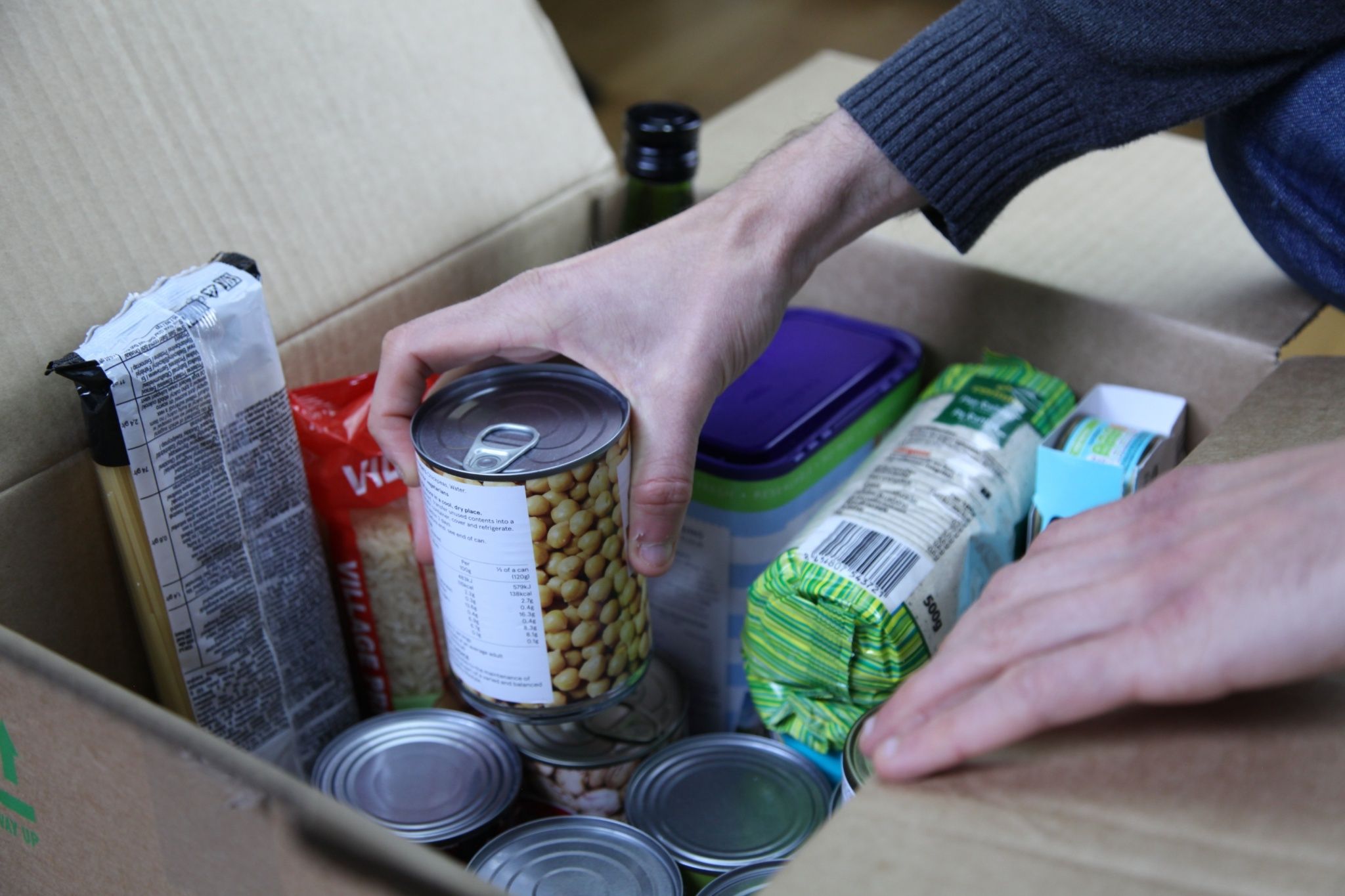
Pavement queues outside municipal distribution halls form before morning delivery vans finish idling. In urban neighbourhoods across British Columbia, the weekly routine of collecting dry goods and canned staples has detached itself from temporary crisis, settling instead into the baseline rhythm of working households. Shelves designed decades ago to handle intermittent family shocks now process sustained, scheduled traffic from residents who hold employment yet cannot balance basic ledger lines.
According to the 2026 HungerCount report released by Food Banks Canada, British Columbia recorded just over 250,000 visits to food banks in 2026. Nearly 76,000 of those visits came from children. Across the province, visits have climbed by 100 per cent since 2019, including a 14 per cent surge between 2025 and 2026 alone. What was conceived as an emergency safety valve has quietly turned into an informal pillar of urban maintenance.
The Breakdown of Household Buffers
Canada-wide data underscores that this shift is structural rather than isolated to coastal enclaves. Across Canada, food bank use increased by 117 per cent between 2019 and 2026, with an 8.7 per cent rise registered since 2025. The systemic pressure point lies in the total exhaustion of household margins against nondiscretionary expenditures.
In the past, most people in Canada could absorb a small financial setback — a car repair, a family illness, a modest increase in food prices at the grocery store. Those days are over. Canada’s bleak new reality is that millions of people are making impossible trade-offs every day as they choose between food or rent,
said Kirstin Beardsley of Food Banks Canada. The trade-off Beardsley identifies between shelter and nutrition illustrates how shelter costs systematically displace grocery budgets, forcing families to seek calories through charitable distribution.
Observers defending current economic trajectories often point out that high food bank volumes reflect improved intake capacity, wider institutional awareness, and targeted outreach by charitable networks rather than a sudden contraction in overall macro employment. Some households utilize these facilities strategically to preserve liquid cash reserves against volatile utility obligations and rent renewals. Yet relying on voluntary charitable infrastructure to offset systemic living costs constitutes an unstable public strategy.
Pacific Parallels in Living Costs
This dynamic holds sharp resonance across the Pacific Rim, where metropolitan economies from Vancouver to regional hubs across Asia confront parallel squeezes between fixed accommodation costs and daily sustenance. When urban space becomes disproportionately expensive, nutrition inevitably serves as the flexible line item. Households cannot renegotiate a monthly tenancy or utility contract overnight, so the kitchen pantry absorbs the immediate deficit.
The policy consequence is both visible and unresolved. As civil society steps in to absorb basic dietary needs, municipal and national authorities face little immediate electoral compulsion to resolve underlying structural cost drivers. Reliance on community charity risks subsidising stagnating real living margins, allowing public planners to treat emergency relief as permanent welfare.
Those early morning queues outside British Columbia storefronts reflect far more than isolated domestic hardship. They chart a profound realignment in how Pacific urbanites sustain presence in cities that price out their daily essentials. Until regional housing and food supply equations realign, charity counters will continue functioning as de facto grocery stores for thousands of working citizens.
Sources
Newsletter
Pacific Daily
A curated briefing from Thailand, Asia-Pacific and the world.