Modular Beverage Engineering and the Corporate Holiday Cup
McDonald's turns to functional mixers and textural additions across Canada as fast-food operators reshape the economics of seasonal drinks.
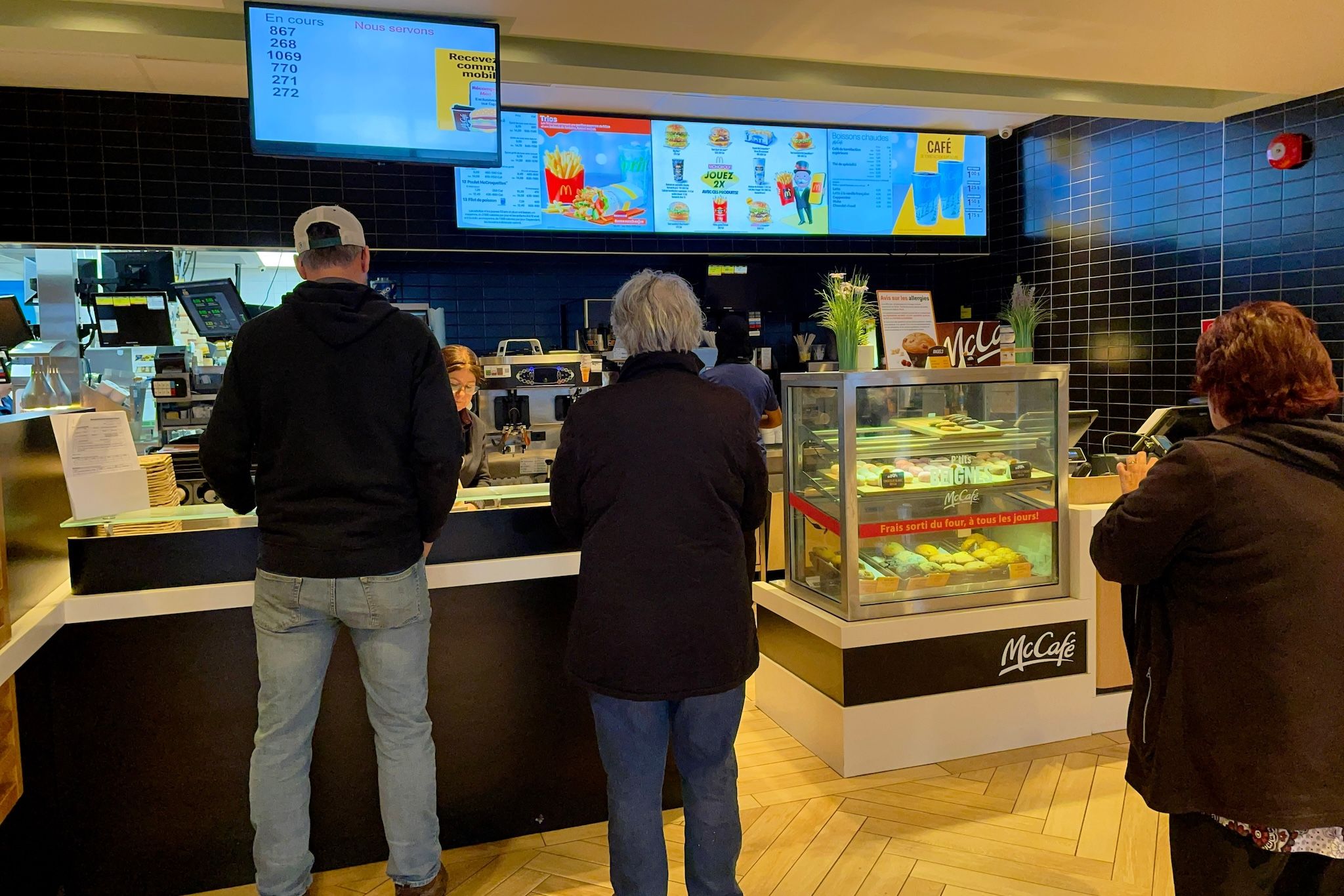
Commercial beverage architecture functions through assembly rather than extraction. In fast-food kitchens where service speed governs operational margins, constructing a specialty drink cannot depend on skilled preparation or lengthy infusion. The process relies instead on pumps, branded liquid bases, and layered shelf-stable components designed for immediate dispersion.
That mechanical reality defines the holiday beverage roster introduced across Canada by McDonald's from Nov. 3. Rather than relying solely on traditional warm espresso or spiced dairy formulas, the chain structured its seasonal push around cold assemblies featuring frosted cranberry and cookie butter flavouring. Central to the lineup is the Frosted Cranberry Energizer, combining Red Bull with Cranberry-orange flavoured syrup, finished with cold foam and cranberry sprinkles. Customers seeking non-caloric options receive Red Bull Zero, while soda drinkers are offered a version built on Sprite. Another addition, the Cranberry Orange Refresher, blends lemonade with the same citrus-cranberry syrup and orange popping pearls.
The Industrial Mechanics of the Cold Cup
Examining the technical composition of these items clarifies how multinational franchises approach beverage profitability. Hot coffee requires thermal management and calibrated brewing equipment. Cold modular beverages, by contrast, shift labour away from extraction toward simple metering.
A single flavoured syrup base serves multiple menu categories simultaneously, cycling through carbonated soft drinks, canned energy mixers, and chilled citrus juices. Adding textured caps like cold foam or suspended solids such as popping pearls creates the physical impression of craft drink-making without demanding culinary execution from line workers. In fast-service environments, texture substitutes for kitchen craft.
This structural adaptation mirrors consumer shifts already visible across global markets, including competitive developments documented by The Straits Times across the Asia-Pacific beverage sector. Regional tea brands such as Chagee demonstrate that younger demographics increasingly favour customised cold teas, foams, and textural toppings over legacy dark roasts. By adopting popping pearls and energy mixers into its Canadian holiday roster, McDonald's confirms that operational formats honed in Asian specialty tea stalls now dictate standard corporate playbook items across Western markets.
Energy drink integration represents an equally calculated technical compromise. Merging commercial energy beverages directly with flavoured syrups bypasses proprietary formulation risks. McDonald's borrows pre-established consumer trust in Red Bull to validate an industrial soda fountain concoction as a functional refreshment.
Limits of Additive Flavouring
Sceptics may argue that these seasonal rollouts merely deliver conventional holiday novelty, offering customers temporary indulgence during a brief retail window. Corporate operators understand that festive branding reliably stimulates customer visits during dark winter months, generating foot traffic that lifts core food sales regardless of kitchen complexity.
Yet this assembly method imposes severe aesthetic and economic constraints. When a beverage relies entirely on heavy sugar concentrations, citric acid, and dairy foam stabilisers, distinct seasonal notes blur into generic sweetness. Orange popping pearls rupture quickly, releasing concentrated flavour bursts that often clash with tart lemonade or medicinal energy drink undertones. The balance of the drink degrades as the foam collapses into the carbonated base.
Sustaining menu novelty through additive syrups also introduces persistent inventory bloat. Franchise locations must store dedicated seasonal syrups, non-standard toppings, and specific canned energy mixers that carry short operational lifespans. If consumer curiosity wanes after the initial promotional push, franchisees absorb the dead stock.
Corporate fast food continues to re-engineer its seasonal identities around rapid, cold modularity. As global brands replace traditional brewed warmth with syrup pumps and commercial energy mixers, they reveal an industry that has mastered the mechanics of speed while resigning itself to uniform synthetic sweetness.
Sources
Newsletter
Pacific Daily
A curated briefing from Thailand, Asia-Pacific and the world.