When Asphalt Engineering Collides With Urban Rage
A Vancouver standoff demonstrates the severe social costs when mechanical traffic regulation meets the fraying discipline of public streets.
Traffic engineering functions on the assumption that asphalt geometry can enforce mutual restraint. When a municipal council installs a raised asphalt ridge across an urban roadway, the mechanism requires every vehicle to yield momentum to preservation. Across the Pacific Rim, transit planners treat these asphalt mounds as self-executing arbiters of public consideration. The physical structure compels a mechanical deceleration that common courtesy regularly fails to secure. Yet physical compulsion carries an immediate secondary cost, generating severe social friction whenever individual haste confronts enforced delay.
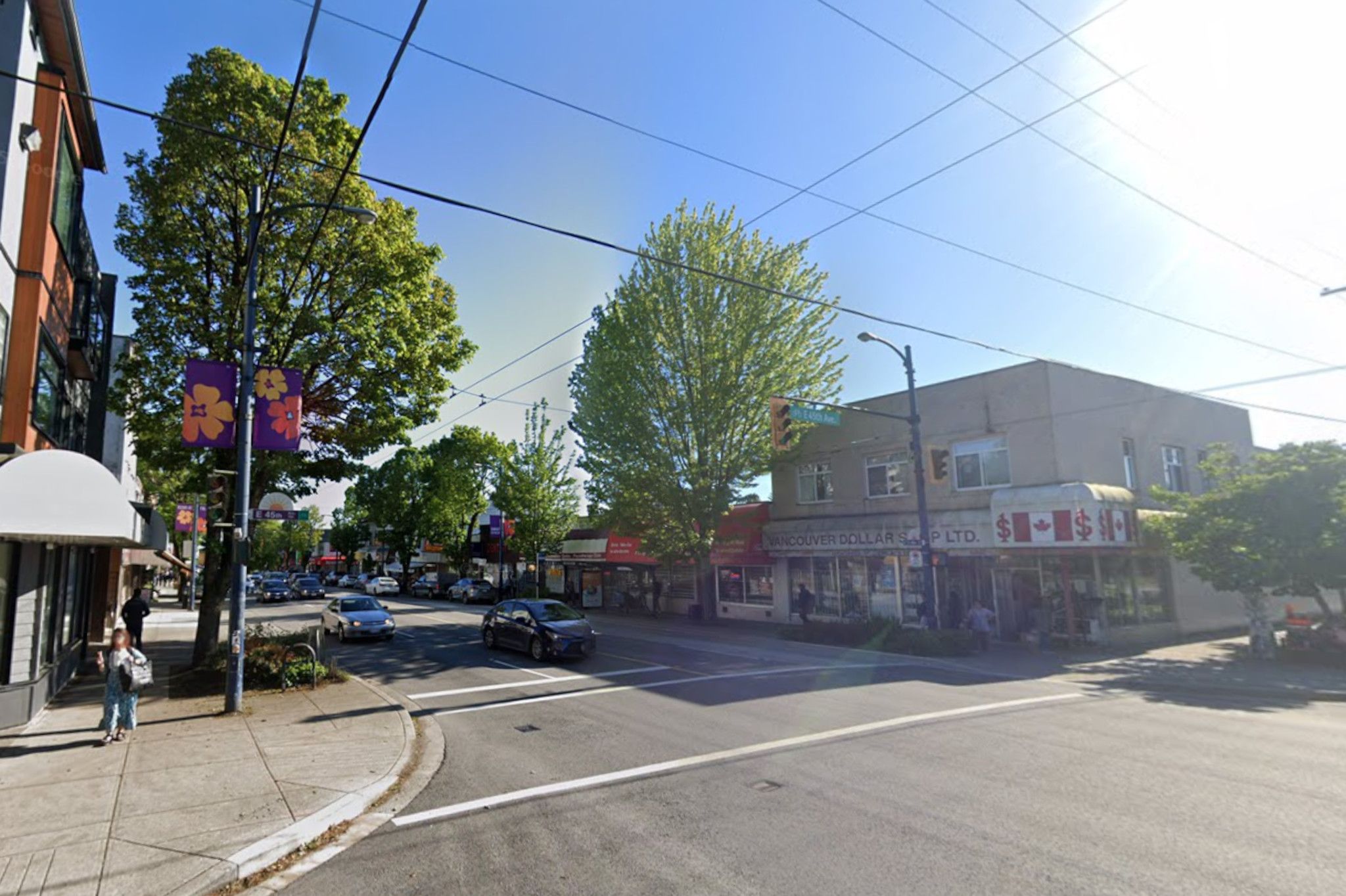
That friction turned volatile in Vancouver around noon on Tuesday, Oct. 20, demonstrating how rapidly basic urban regulation can disintegrate into public disorder. At the junction of Fraser Street and East 45th Avenue, a routine deceleration triggered an armed confrontation that demanded an immediate deployment of municipal force. Vancouver Police Department officers were summoned after an encounter between two motorists escalated from tailgating into an alleged firearm threat. The episode exposed the precarious boundary separating orderly neighbourhood transit from outright intimidation, highlighting how fragile civic discipline remains under minor logistical pressure.
According to the Vancouver Police Department, the incident began with simple adherence to road design. A motorist braked for a neighbourhood speed bump, only to meet instant hostility from the vehicle following behind. The pursuing driver overtook on the left, halted his car in front of her path, walked toward her window, and pointed what appeared to be a black handgun before fleeing. Constable Darren Wong and members of the VPD Emergency Response Team subsequently tracked the suspect vehicle through adjacent corridors toward Knight Street. This confrontation followed other strains on urban security, including an unprovoked attack on an elderly woman and a serious tractor collision in nearby Abbotsford.
The Geometry of Mechanical Calming
Municipal authorities rely on speed bumps because structural obstacles operate without human negotiation. Drivers cannot debate asphalt; they either slow down or risk damaging their suspension. This technique treats human impatience as an engineering problem solvable through vertical deflection. By removing personal discretion from driving habits, the physical road design guarantees slower speeds at specific geographic coordinates. However, mechanical friction frequently converts latent frustration into overt resentment when an impatient driver feels detained by the lawful compliance of another.
The official summary from law enforcement captured this precise breakdown:
"The victim reported she was driving and slowed down for a speed bump, prompting a male driver behind her to begin tailgating,"
said VPD in a release describing the encounter. When the passing driver blocked the street and approached her window, the social compact dissolved entirely. A minor speed reduction designed to protect pedestrians produced a lethal standoff. Technical infrastructure succeeded in lowering vehicle velocity, but it provoked a dangerous display of private menace that required specialist police intervention to contain.
Enforcement and Civic Friction
Traffic safety specialists would counter that physical calming infrastructure cannot be faulted for pathological private aggression. Their argument holds weight: speed bumps indisputably prevent pedestrian collisions, and no municipal planner can design a roadway that cures armed volatility. Blaming urban engineering for a violent reaction mistakes the catalyst for the cause. Yet urban managers cannot ignore the administrative reality that structural interventions increasingly require heavy policing to preserve their intent. When passive road calming demands armed tactical units to restore safety, the operational balance of neighbourhood policing shifts significantly.
Public streets remain the most common shared spaces where citizens negotiate proximity, authority, and collective tolerance. The encounter on Fraser Street demonstrates that engineering compliance into asphalt cannot compensate for the degradation of shared restraint. Tactical responses may resolve individual confrontations, but they leave the broader habit untouched. Until civic design accounts for the volatile emotional friction created by its own physical constraints, the quiet corridors of modern cities will continue to witness simple municipal compliance answered with disproportionate private fury.
Sources
Newsletter
Pacific Daily
A curated briefing from Thailand, Asia-Pacific and the world.