Global City Rankings Underscore a Narrow View of Urban Success
The Oxford Economic Global Cities Index 2026 reveals a concentration of top-ranked cities, prompting questions about metrics and the sustainability of urban growth models in Asia.
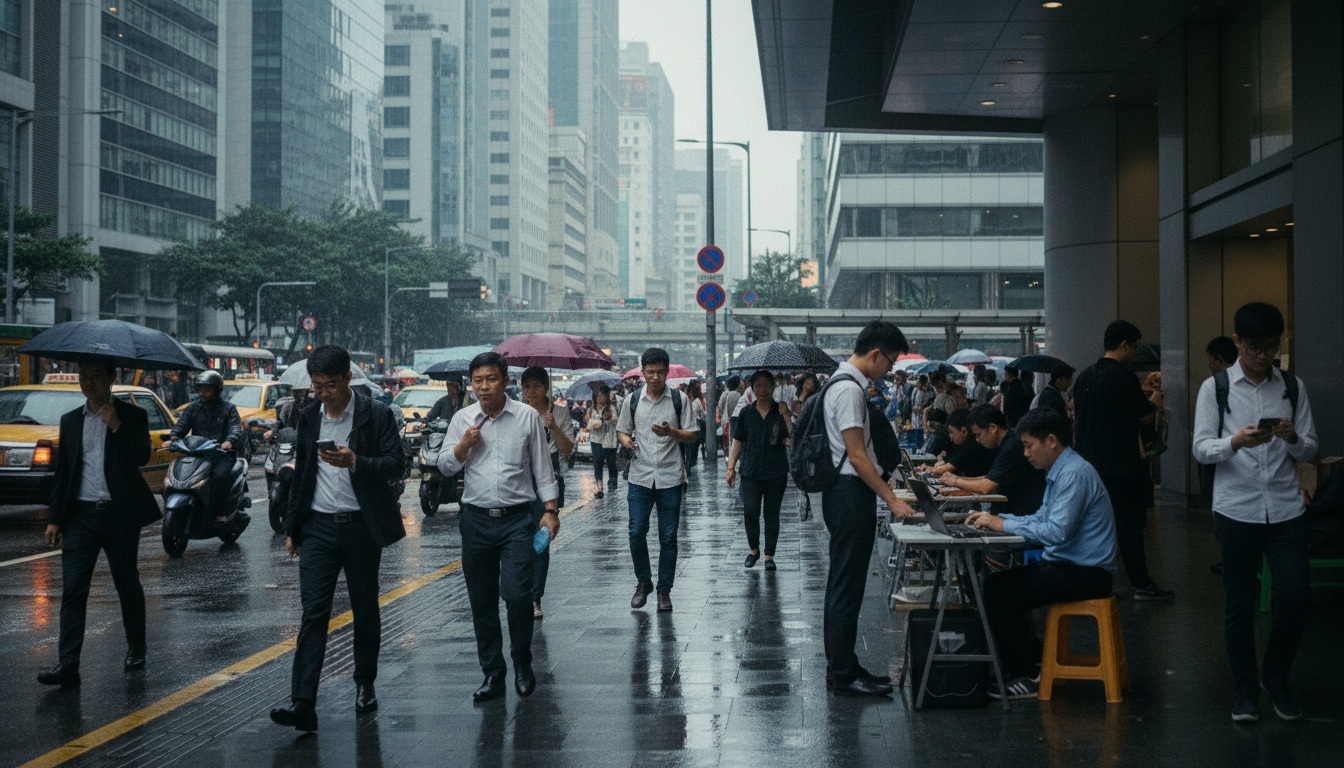
The Oxford Economic Global Cities Index 2026 report, released on September 15, 2026, ranks 1,000 of the largest cities worldwide. New York and London lead this index, primarily due to the size of their economies and the strength of their labor markets. A significant pattern emerges from the data: 78 of the first 100 spots in the rankings are held by cities within two specific regions. This concentration, also reflected in the new 'Cities to Watch' section designed to highlight places generating significant momentum, indicates a preference for particular models of urban development.
This pattern suggests a reliance on established economic frameworks and human capital aggregation. For regions like Asia, and particularly Thailand, the absence from these upper echelons is not simply about position. It necessitates a critical examination of the underlying mechanisms that drive these assessments. While the report evaluates factors such as economic, human capital, quality of life, environment, and governance, the consistent dominance implies a benchmark heavily skewed towards a particular historical developmental path.
The culinary landscape, often a dynamic indicator of a city's vitality, operates within these broader urban structures. A city's capacity to sustain diverse, innovative, and high-quality food experiences is intrinsically linked to its economic stability, the skill base of its human capital, and its governance. If cities in Asia, despite their rapid urbanization and expanding food scenes, do not appear in these lists, it suggests a disconnect between perceived growth and the metrics applied by the index.
The criteria of the index, by emphasizing traditional economic size and labor market strength, may overlook the distinct strengths of emerging urban centers. The resilience of local food systems, the adaptability of culinary entrepreneurs, and the informal economies that often underpin vibrant street food cultures might not translate directly into the 'economic strength' metrics favored by such global indices. This creates a tension: a city can be a culinary powerhouse in its own right, driven by unique techniques and local ingredients, yet fall short on broader economic indicators.
What this suggests for cities in Thailand and across Asia is a challenge in aligning their growth narratives with these established global frameworks. While local economies might thrive on specific sectors, and culinary innovation might flourish through distinct methods, the broader metrics of 'quality of life' and 'governance' as defined by such indices may present a different reality. The question remains whether the cost of sustaining these global benchmarks — in terms of infrastructure, regulation, and market structure — is compatible with the organic evolution of these cities, or if it demands a fundamental shift in their developmental approach.
Sources
Newsletter
Pacific Daily
A curated briefing from Thailand, Asia-Pacific and the world.