A Regulatory Push on Food Additives Meets the Reality of Household Pantries
Draft guidance from the World Health Organisation targets colours and sweeteners, setting up a clash between dietary reform and everyday grocery affordability
SINGAPORE
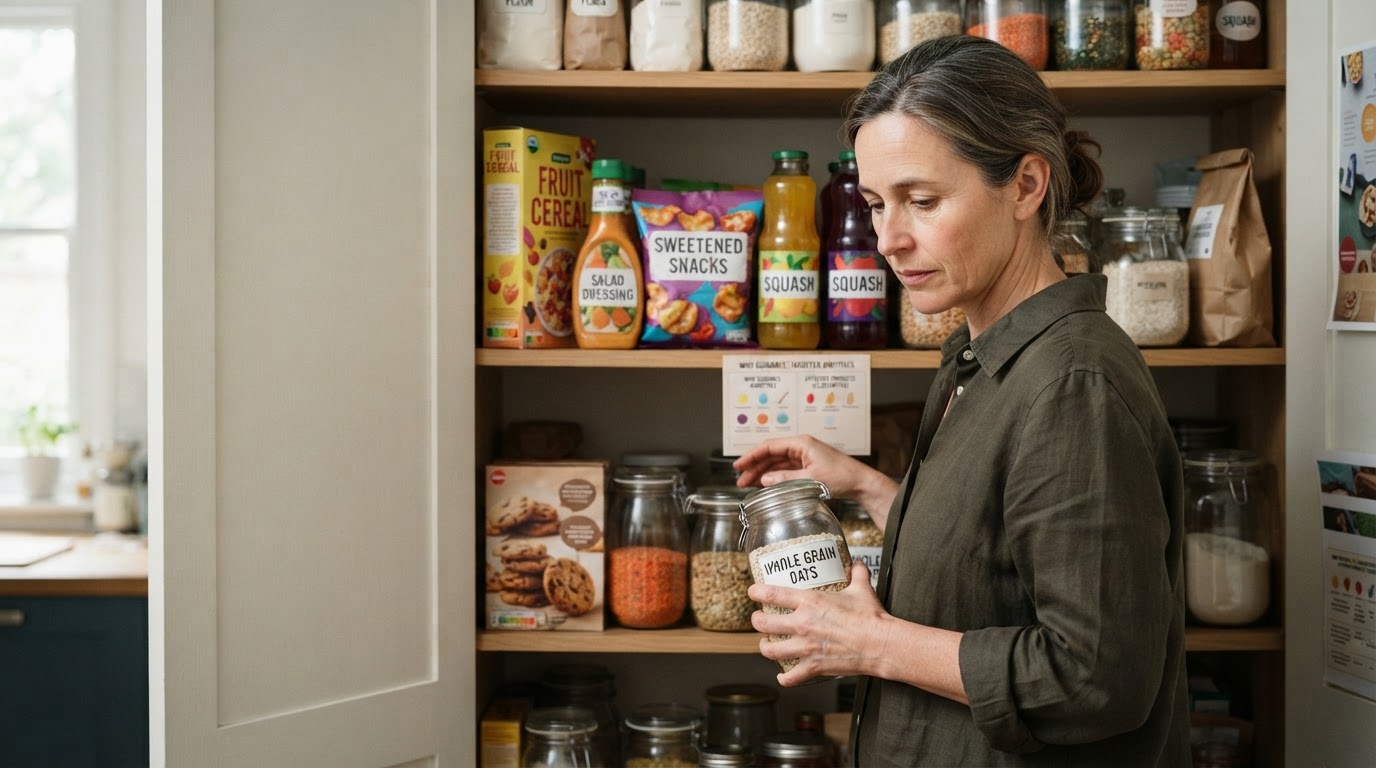
Packaged food sells on a simple mechanism: manufacturers make cheap ingredients palatable by adding colours, sweeteners and artificial flavours. That formula keeps processed goods affordable on store shelves across Asia and the Pacific. Now, new draft guidance from the World Health Organisation asks governments to step directly into that calculation.
From Geneva, the global health agency has proposed draft recommendations urging governments to regulate foods containing added colours, flavours and sweeteners. The aim is to help authorities identify which products people should consume in moderation to curb diet-related diseases. The intervention targets the sensory engineering that makes low-cost sustenance enticing. Predictably, the initiative has met immediate pushback from the food industry, which relies on these additives to preserve taste, texture and visual appeal at scale.
The Cost of Palatability
For working households managing tight monthly budgets, processed food is rarely chosen out of luxury. It is purchased because it is cheap, durable and immediate. Added sweeteners and colouring agents mask the limitations of basic starches and shelf-stable proteins, allowing lower-income shoppers to purchase calories they can afford. When public health agencies recommend restricting those ingredients, the economic friction transfers down the supply chain.
If governments implement strict curbs on synthetic additives, food manufacturers face two practical paths. They can substitute artificial compounds with more expensive natural colourings and flavourings, or they can alter their recipes to reduce palatability. Natural reformulations inevitably increase manufacturing costs. In commercial food processing, rising production expenses rarely remain on corporate balance sheets; they get passed directly to consumer checkouts. For everyday shoppers balancing household spending, higher prices for staple packaged goods mean tighter choices at the grocery aisle.
Industry Resistance and Dietary Reality
The immediate pushback from food corporations reflects a clear operational reality. Mass-market products depend on predictable, shelf-stable additives to maintain consistent taste across vast distribution networks. Corporate resistance argues that these additives perform critical roles in keeping shelf prices stable. Stripping out sweeteners and colourants without viable, low-cost alternatives risks driving up basic food bills during a period when families already feel intense price pressure across the region.
Yet leaving industrial recipes entirely unchecked carries its own systemic bill. Unhealthy diets fuel non-communicable diseases, loading long-term treatment burdens onto strained state healthcare systems and private household savings. A chronic condition drains domestic finances just as surely as an inflated grocery receipt.
The policy dilemma does not turn on whether diet-related illness demands intervention. It turns on whether regulatory standards can reshape food manufacturing without pricing staple packaged goods beyond ordinary reach. Until alternatives to synthetic additives match the low cost of current ingredients, government restrictions will force a direct choice between nutritional guidelines and what shoppers can afford to buy.
Sources
Newsletter
Pacific Daily
A curated briefing from Thailand, Asia-Pacific and the world.