Mainland Fast Food Mounts a Reverse Migration Through Hong Kong
As mainland dining giants re-engineer Western convenience fare, established global franchises encounter an unexpected domestic challenger.
HONG KONG
Urban dining spaces in Hong Kong have long absorbed external culinary templates, adapting corporate kitchens into the daily routine of dense transit nodes. For decades, the geography of quick-service dining across the territory answered primarily to Western arrivals such as McDonald’s and KFC, later joined by regional entrants such as Jollibee. These commercial operators established a shared grammar of rapid service across several generations: standardized kitchens, predictable pricing, and mass-market portions of poultry or minced beef. Today, that established circuit faces an unfamiliar countercurrent flowing south from across the Shenzhen border.
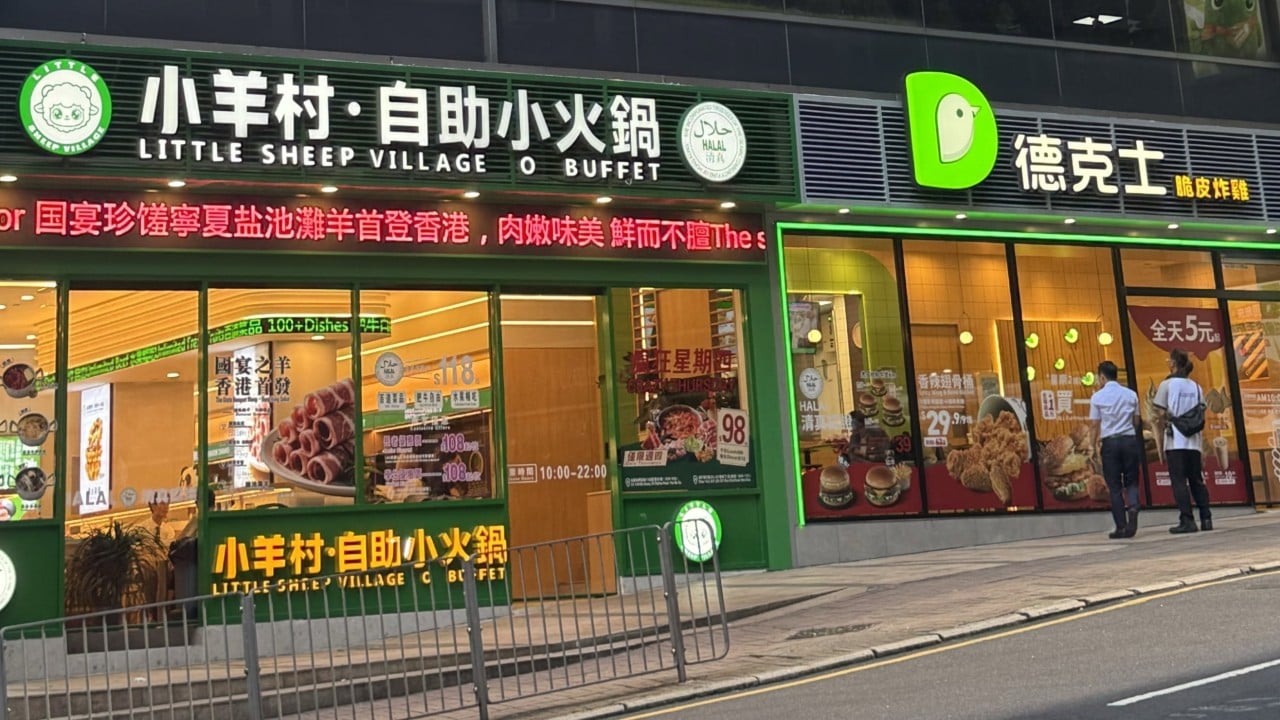
Earlier this year, mainland China’s largest hotpot restaurant chain, Haidilao, signaled a notable departure from communal dining by announcing an expansion into Western-style fast food under the Fresh Burger imprint. The concept serves pizza, pasta, fried chicken and beef patties in buns. This commercial move represents an explicit effort to meet global incumbents on their own operational terrain. Fresh Burger has yet to debut in Hong Kong, but other mainland Chinese fast-food brands have recently landed in the city, testing consumer receptivity without fanfare. Corporate filings and street-level arrivals show that names including Dicos, Wallace and Little Sheep Village have begun testing the territory's retail waters.
The Re-Export of Standardized Fare
The arrival of these mainland operations marks an inversion of previous retail trajectories. When foreign franchises entered mainland cities late in the twentieth century, they exported not merely quick meals, but an industrial discipline anchored by cold-chain logistics and calibrated kitchen timing. Domestic catering enterprises spent subsequent decades absorbing those methods within vast home markets. Haidilao built its expansive hotpot footprint upon uniform prep protocols and automated inventory control before designing Fresh Burger as a standardized consumer vehicle.
Mainland catering groups are no longer merely exporting regional specialties; they are deploying industrial processing against the Western formats that pioneered it.
Now, brands such as Dicos and Wallace appear to be examining whether domestic scale can translate into mature consumer hubs outside the mainland. Hong Kong functions as an immediate proving ground for that ambition. Diners across the territory possess generational familiarity with multinational franchises, while commercial lease rates enforce rigorous operating discipline on thin margins. Entering the city allows mainland operators to calibrate their speed and pricing against entrenched global rivals without the immediate overhead of an intercontinental rollout.
Scale Against Habit
Industry observers have predicted that established chains such as McDonald’s, KFC and Jollibee might soon be shaking in their boots. That assessment rests on structural scale: mainland mass-catering firms run thousands of domestic kitchens, generating procurement volumes that could theoretically allow them to undercut incumbent prices. Wallace and Dicos assembled vast followings across secondary mainland markets by offering low-margin fried chicken and burgers to consumers seeking accessible alternatives to established multinational brands.
Yet entrenched consumer allegiance rarely dissolves through price adjustments alone. Hong Kong diners navigate a saturated commercial ecosystem where multinational corporations have refined local marketing and flavor profiles across decades. Incumbent operators also hold long-term tenancies at major transit hubs, protecting their footprint against newcomers operating isolated pilot storefronts. Any mainland chain expanding into the territory must also confront public skepticism regarding product consistency, an operational barrier that volume purchasing cannot immediately resolve.
What is quietly changing across coastal retail corridors is the direction of culinary influence. Street-corner counters, once the exclusive beachheads of foreign franchise expansion across East Asia, have become contested terrain where mainland capital repurposes Western recipes for export. Whether diners ultimately alter their daily habits remains uncertain, but the historical conduit of convenience food has unmistakably reversed.
Sources
Newsletter
Pacific Daily
A curated briefing from Thailand, Asia-Pacific and the world.