Armani Caffe and the High-Margin Logic of Branded Retail Hospitality
Fashion houses entering the dining floor use espresso and pastries not to pioneer cooking, but to capture captive mall foot traffic.
SINGAPORE
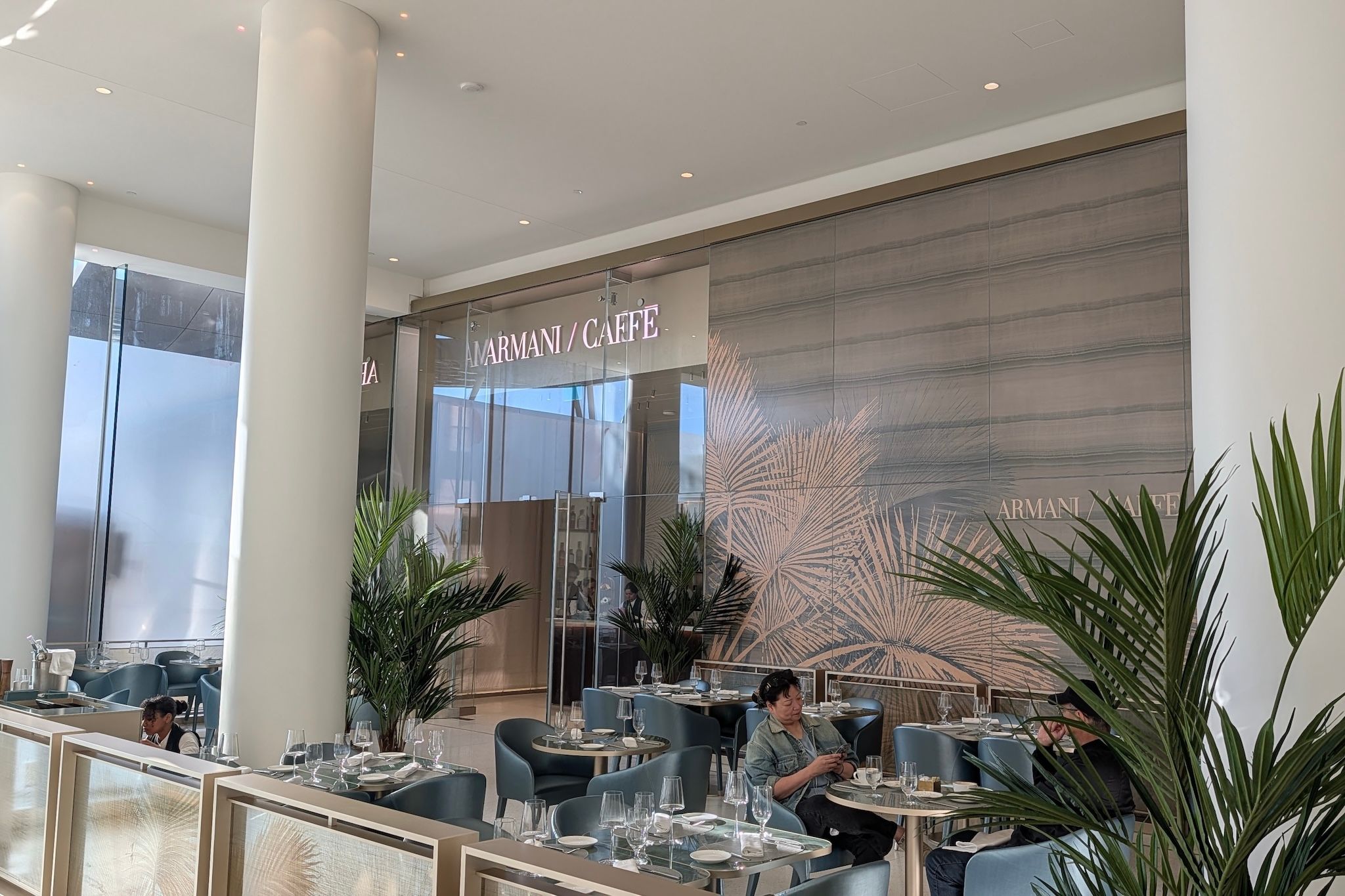
Luxury fashion houses understand that ready-to-wear inventory depreciates across changing seasons, while the margin on extracted espresso grounds remains remarkably resilient. In Vancouver, the arrival of Canada's first Armani Caffe inside Oakridge Park demonstrates how major retail developers and luxury European labels now approach dining operations. This corner establishment opened alongside streetwear label Kith and its dessert counterpart Kith Treats in the northeast corner of the indoor mall. That physical proximity clarifies the commercial strategy: fashion houses treat table service not as an independent craft, but as functional infrastructure designed to anchor shopper dwell time.
Armani has already tested this operational framework across international markets by launching over 20 cafes and restaurants across the globe. Each satellite location relies on a predictable commercial equation. Prime retail floors within modern shopping centres command substantial capital commitments that garment displays alone struggle to offset during foot-traffic slumps. By allocating indoor square footage to branded hospitality counters, retail groups secure immediate cash velocity that bypasses apparel distribution cycles and avoids expensive warehouse depreciation.
The Mechanics of Low-Overhead Menus
A serious restaurant kitchen operates under the relentless discipline of perishable inventory, skilled preparation lines, and narrow margins on raw ingredients. Branded fashion cafes reverse this operational burden through calculated simplicity. At the Oakridge Park counter, the menu prioritises low-risk assembly over labor-intensive culinary execution. Visitors find a selection of drinks and small bites, featuring salads, Toasts with Bruschetta, and pastries including the Chocolate Filled Cornetti and Vegan Almond Croissant.
High fashion dining models do not exist to elevate local cooking; they exist to convert pedestrian mall traffic into high-margin liquid transactions.
Such offerings bypass the requirement for heavy extraction hoods, open flame ranges, or specialised culinary brigades. Laminated morning pastries and pre-portioned toast spreads demand minimal back-of-house finishing, keeping payroll modest relative to floor receipts. The real cash engine sits behind the espresso station. Alongside standard flat white orders and Italian cappuccino cups, the counter dispenses specialty drinks including a Dulce De Leche Latte and a Hojicha Black Sesame Latte. Flavoured beverages command premium retail prices while requiring only incremental additions of flavoured syrups, dairy, and powdered tea bases.
Brand Value Subordinating Dining Craft
Independent culinary operators navigate compounding structural headwinds, absorbing wholesale food inflation, soaring city leases, and fragile bottom lines. Neighbourhood dining rooms must constantly defend their culinary relevance to survive on slim net returns. Corporate fashion conglomerates face no comparable economic vulnerability when opening indoor hospitality counters. Their cafe divisions exist as marketing satellites, holding affluent consumers inside an indoor shopping ecosystem and cycling disposable capital between boutique clothing racks and upholstered bistro banquettes.
This structural imbalance poses an uncomfortable question about what constitutes actual hospitality when clothing brands dominate retail dining floors. When an apparel label expands its imprint through over 20 cafes and restaurants worldwide, the dining counter risks becoming another branded point-of-sale terminal. Patrons pay marked-up prices for standard espresso pulls and baked goods whose primary appeal rests on an imported designer trademark rather than local culinary integrity.
Retail developers will continue to package high-end coffee bars as cultural amenities within modern indoor malls. The commercial arrangement clearly benefits corporate landlords seeking higher pedestrian retention and fashion brands hunting resilient cash flow. For diners, however, the experience offers a transactional substitution: culinary complexity replaced by corporate design, with dining reduced to an accessory of apparel sales. An unresolved tension remains whether a dining room detached from independent culinary ambition can ever be more than an expensive holding pen for retail shoppers.
Sources
Newsletter
Pacific Daily
A curated briefing from Thailand, Asia-Pacific and the world.