The Late-Night Margin Squeeze Moves East
Swingers replaces All Day Baby in Silver Lake, wagering that retro comfort food and takeout windows can outlast daylight hospitality economics.
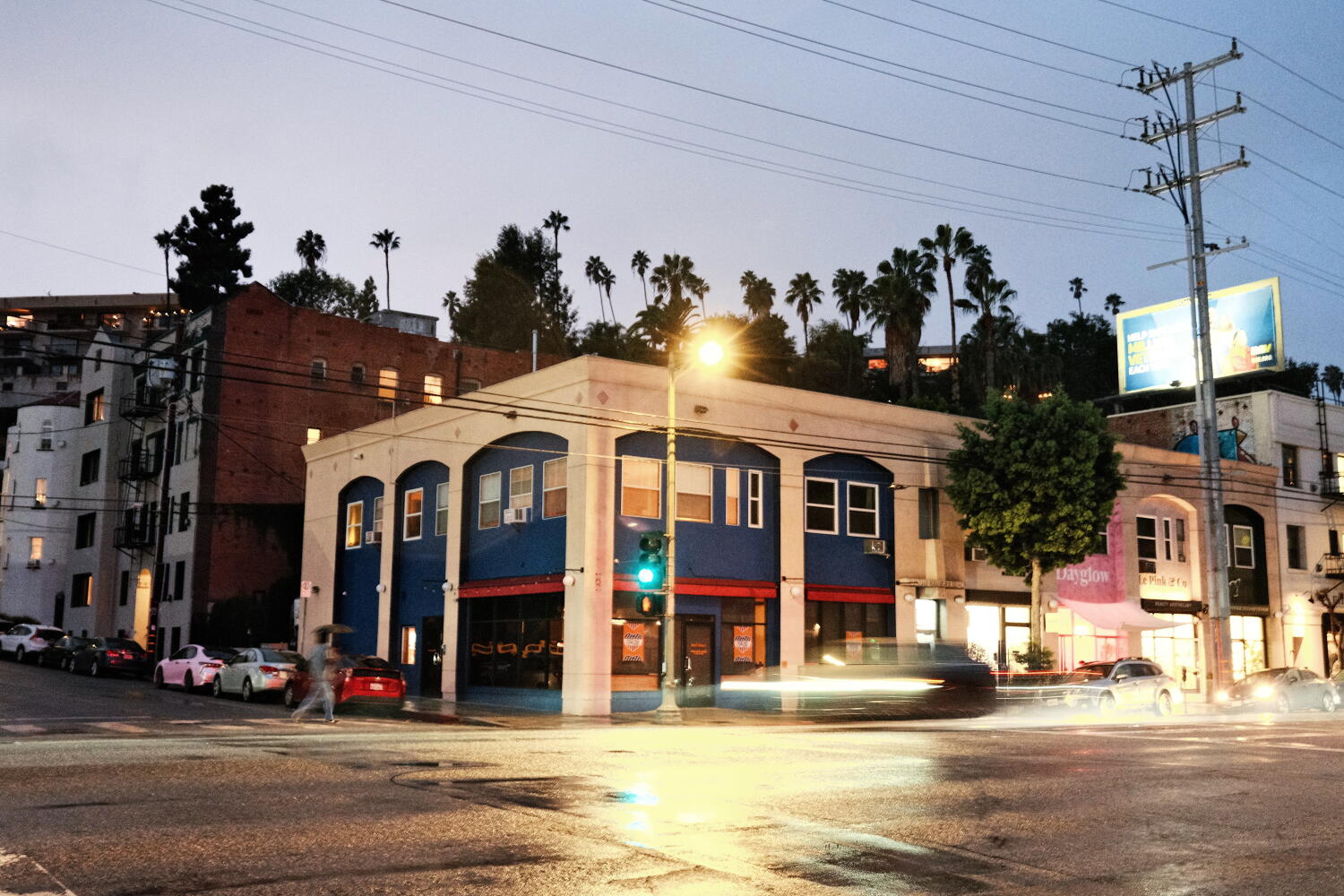
Restaurant real estate exposes the structural weaknesses of contemporary dining faster than any balance sheet. In Silver Lake, the building at the intersection of Sunset Boulevard and Descanso Drive has traded one operational model for another as a late-night margin squeeze moves east across the city. The property formerly housed All Day Baby, an operation steered by Lien Ta and Jonathan Whitener. This week, as reported by Stephanie Breijo in the Los Angeles Times, the address reopened as an eastward expansion of Swingers, the long-running diner institution originally rooted in Beverly Grove under owner Stephanie Wilson.
On the surface, an operator moving across town represents standard hospitality expansion. Fundamentally, this transition illustrates a defensive pivot across Pacific Rim dining corridors toward high-volume, low-friction food service. Fine-casual neighborhood formats frequently collapse under crushing overheads, specialized prep routines, and narrow daylight trading windows. Replacing daytime culinary ambition with a diner model that runs an active service window until 3 a.m. represents a cold calculation about yield per square meter, trading culinary prestige for continuous foot-traffic capture.
The Realities of Extended Service Hours
Late-night hospitality is rarely an indulgence; it is an arithmetic response to commercial rents. Traditional daylight dining formats confront rigid ceilings on seat turnover and daytime spending per head, where revenue fails to offset rising baseline expenses. In contrast, diner food relies on basic commodity lines: omelets, burgers, and milkshakes. These components carry predictable prep overheads, standardized labor requirements, and flexible daypart appeal that stretches deep into the morning hours.
The economics of late-night counter service prioritize velocity and low complexity over culinary experimentation.
Running a service hatch until 3 a.m. alters the underlying labor equations. Extending kitchen operations past midnight creates distinct wage liabilities and security demands. Yet operators accept these friction points because a walk-up takeout portal strips out front-of-house payroll entirely. Service staff, tabletop maintenance, and reservation management disappear at the window, leaving an unadorned production line focused on speed and repeat volume.
Skeptics of this pivot argue that late-night diner trade cannot generate the beverage markups or premium covers that sustain contemporary urban hospitality. Sunset Boulevard has seen dining trends cycle through neighborhood dining rooms, where dinner receipts historically subsidized slower morning trade. Maintaining payroll across seventeen or eighteen continuous hours demands relentless customer volume, especially when transactions depend on relatively modest individual receipts that must clear kitchen costs immediately.
Shifting Foot Traffic and Urban Margins
That critique overlooks how drastically urban movement along major corridors has changed since 2015. Walkable strips in Silver Lake no longer support the leisurely, mid-priced sit-down formulas that defined earlier dining cycles. Dining establishments increasingly cleave into two financial extremes: heavily capitalized destination rooms or rapid-fire takeout hatches engineered for survival amid tightening metropolitan operating margins.
Swingers brings brand recognition honed through decades in Beverly Grove and cultural appearances in projects like Knocked Up and Insecure. Brand durability alone, however, does not cover fixed operational expenses. The success of this venture hinges entirely on kitchen throughput. If the griddle line cannot process orders fast enough during post-midnight spikes, the extended labor bill quickly devours the thin margins preserved by diner staples.
The broader urban constraint remains unresolved across Pacific Rim hospitality markets. As operating costs escalate along prime retail corridors, neighborhood culinary independent operators find daylight service margins untenable. Replacing chef-driven concepts with late-night comfort staples solves immediate cashflow velocity, but it leaves commercial streets reliant on the endurance of the grill cook at two in the morning.
Sources
Newsletter
Pacific Daily
A curated briefing from Thailand, Asia-Pacific and the world.