The Real Cost of King George Boulevard’s Promised Tracks
B.C. politicians pledge SkyTrain extensions to Newton, but unfunded infrastructure risks squeezing suburban hospitality margins
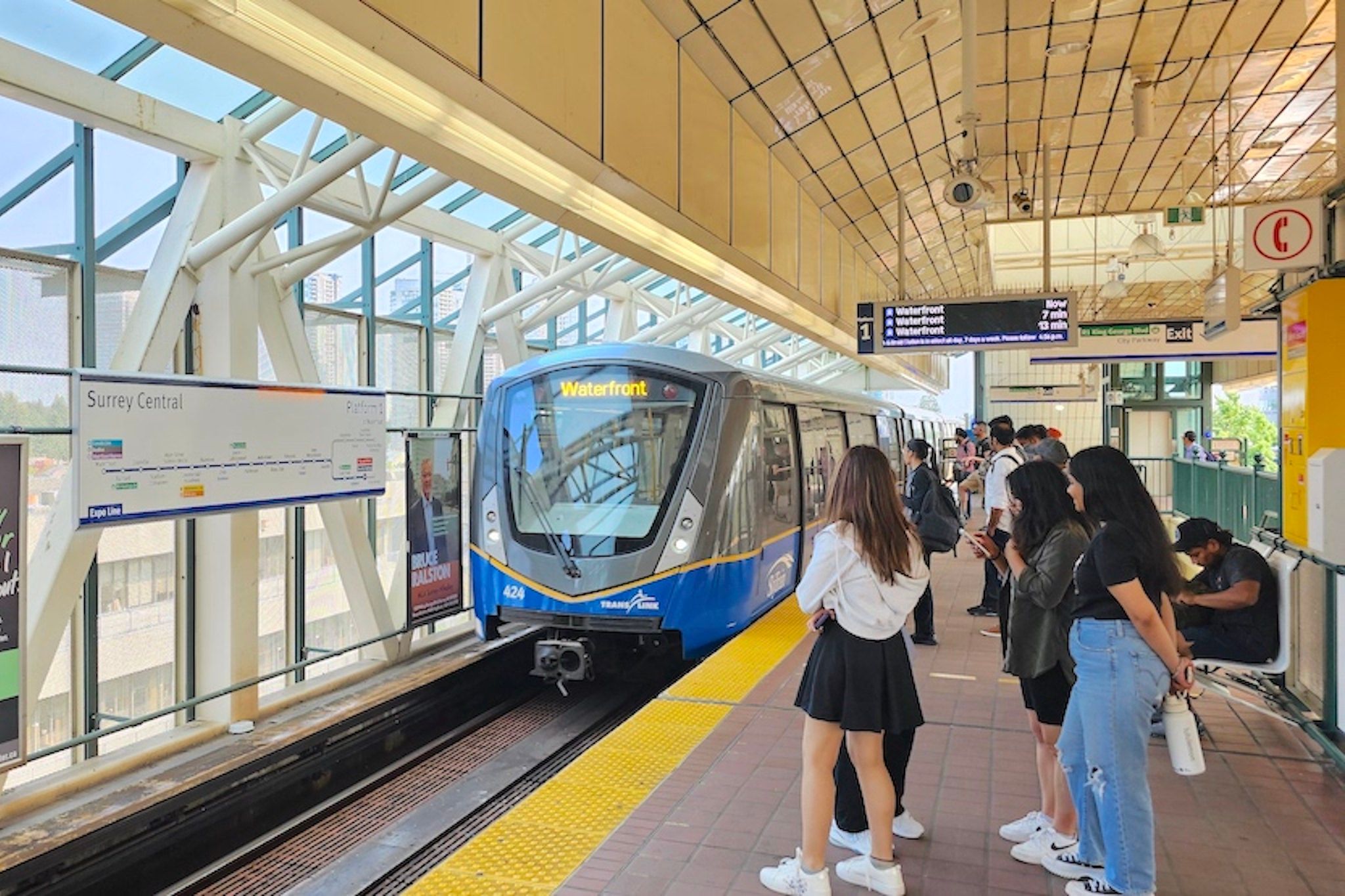
Transit corridors frequently shape commercial kitchen viability long before track is laid. When provincial candidates rush to promise rapid rail lines across municipal borders, they often treat transit as an abstract public good rather than a structural reallocation of urban real estate and hourly labor. In British Columbia, the race to pledge an extension of SkyTrain’s Expo Line along King George Boulevard to Newton Town Centre captures this exact tension. Both the Conservative Party of British Columbia and David Eby’s BC NDP have pivoted toward the corridor following civic ballots that returned Surrey-elect Doug McCallum to Surrey City Hall. Yet behind the retail politics sits an unresolved ledger. Public transit advocates celebrate the promised rail, while regional authority TransLink stresses immediate funding needs against capital strains reaching USD 250000000.
The culinary fabric of outer suburban corridors reveals why these tracks matter to operating margins. Surrey City Centre and Newton represent vital working quarters where small strip-mall diners, family bakeries, and regional food suppliers depend entirely on predictable movement. Line cooks, dishwashers, and prep staff rely on King George Boulevard to bridge residential quarters with commercial kitchens. When Lorne Doerkson’s Conservatives explicitly promise rapid rail or David Eby pledges formal discussions with McCallum’s Safe Surrey Coalition-led administration, the political return is immediate. Transit promises signal modernity and suburban respect.
Track Lines and Kitchen Margins
Infrastructure without committed capital generates commercial volatility. While civic voters handed McCallum a mandate built around bringing SkyTrain to Newton, rail lines frequently trigger land speculation along primary boulevards. For independent restaurateurs and storefront operators, speculative commercial zoning rarely lowers operating overhead. It elevates square-metre leases years before any passenger boards a carriage.
Political promises of concrete rail corridors typically arrive faster than the operational capital required to run them.
This mechanism exposes the fundamental policy contradiction facing outer metropolitan nodes across the Pacific Rim. From suburban Vancouver to perimeter transit districts across East Asia, civic leaders champion heavy rail expansion to ease congestion and stimulate growth. The counterargument advanced by transit advocates holds that rapid transit permanently lowers logistical frictions, widening the labor pool for hospitality operators and stabilizing foot traffic. Rail corridors undeniably move bodies more efficiently than congested asphalt. That efficiency, however, remains purely theoretical if operating agencies lack baseline solvency. TransLink has already flagged severe fiscal realities, underscoring that capital declarations cannot substitute for operating funds.
The Cost of Unfunded Mobility
Promises made during election cycles alter land economics long before provincial treasuries release allocations. Lorne Doerkson’s party committed to steel and concrete along King George Boulevard to capitalize on local voting patterns. David Eby’s administration maintains a more cautious posture, committing to discussions with McCallum rather than issuing an immediate blank cheque. Neither approach reconciles how TransLink will absorb expansion costs alongside its existing operational liabilities.
Every culinary district ultimately rests on the fragile balance between transport access and commercial rent. If SkyTrain reaches Newton Town Centre, it may connect dispersed workers to suburban eateries, but it will simultaneously accelerate land revaluations that displace thin-margin kitchens. Transit planning divorced from operating subsidies forces service workers and small food operators to absorb the inflationary transition. Until provincial authorities reconcile their infrastructure pledges with TransLink's structural budget requirements, the proposed line to Newton risks remaining a speculative blueprint drawn across an already stretched suburban economy.
Sources
Newsletter
Pacific Daily
A curated briefing from Thailand, Asia-Pacific and the world.