The enduring appeal of celebrity endorsements in food culture
Carly Rae Jepsen's cafe shoutout underscores an old marketing mechanism, now amplified by digital platforms, with implications for Asia's competitive culinary landscape.
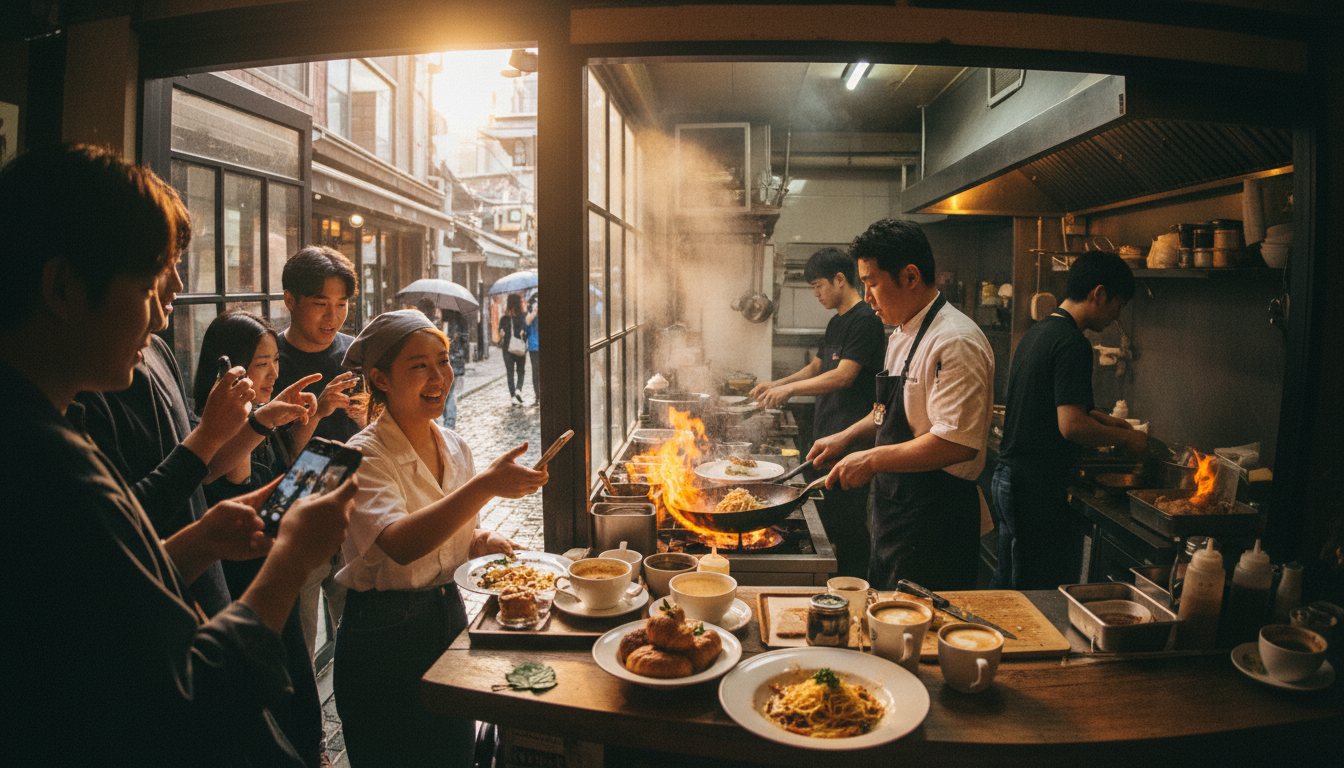
Musician Carly Rae Jepsen recently gave a public commendation to Trees Organic Coffee, a Vancouver cafe chain where she reportedly worked prior to her ascent to fame. This mention occurred during an episode of the podcast Las Culturistas, in response to a request for food recommendations for Vancouver in December from host Matt Rogers. The phenomenon itself — a public figure endorsing a former place of employment — is not new, yet its mechanics and contemporary impact warrant scrutiny, particularly in a region like Asia, where celebrity influence often carries significant commercial weight.
The essential technique at play is the transformation of personal history into a marketing asset. Jepsen’s association with Trees Organic Coffee grants the establishment a narrative layer beyond its menu. It suggests an authenticity rooted in personal connection, a contrast to the often-manufactured nature of typical celebrity endorsements. For the cafe, this is a distinct form of unpurchased exposure, generated not by a strategic partnership or paid placement, but by a celebrity's nostalgic recall. The implication is that the product holds genuine value, having once satisfied the individual before their public persona became a commodity.
However, this form of endorsement also presents inherent limitations and costs to sustain. While Jepsen's mention is a windfall, its replicability for other businesses is low. It relies on the serendipity of a celebrity's past employment and their willingness to share it. Furthermore, the effect is contingent on the celebrity’s continued relevance and positive public perception. Should their star fade, or public sentiment shift, the glow they cast on the associated establishment could diminish. The cafe, for its part, must ensure the quality that presumably attracted and retained its employee-turned-celebrity is maintained, if not improved, to meet any subsequent surge in demand. This demands consistent operational excellence, a cost that remains whether or not a celebrity’s past connection generates new custom.
In the Asia-Pacific, where culinary scenes are highly competitive and consumer decisions are frequently swayed by public figures, such organic endorsements can hold particular potency. The region sees a constant influx of celebrity-backed ventures and strategically placed product mentions. The genuine, unscripted nature of Jepsen’s shoutout, however, offers a different lesson. It suggests that while overt marketing campaigns are ubiquitous, the quiet power of a shared past can resonate deeply. For cafes and restaurants across Thailand and the broader region, the implication is that an authentic story, however small, can sometimes outperform a large marketing budget, provided it finds its way into the public consciousness through unexpected channels. The unresolved constraint remains: how to cultivate and leverage such authentic narratives without resorting to artifice, and without simply waiting for a former staff member to achieve global recognition.
Sources
Newsletter
Pacific Daily
A curated briefing from Thailand, Asia-Pacific and the world.