The Precision of the Amma-Kase Format Under Global Notice
Kavita’s Michelin validation and high-profile patronage expose the operational demands of subcontinental tasting menus.
SINGAPORE
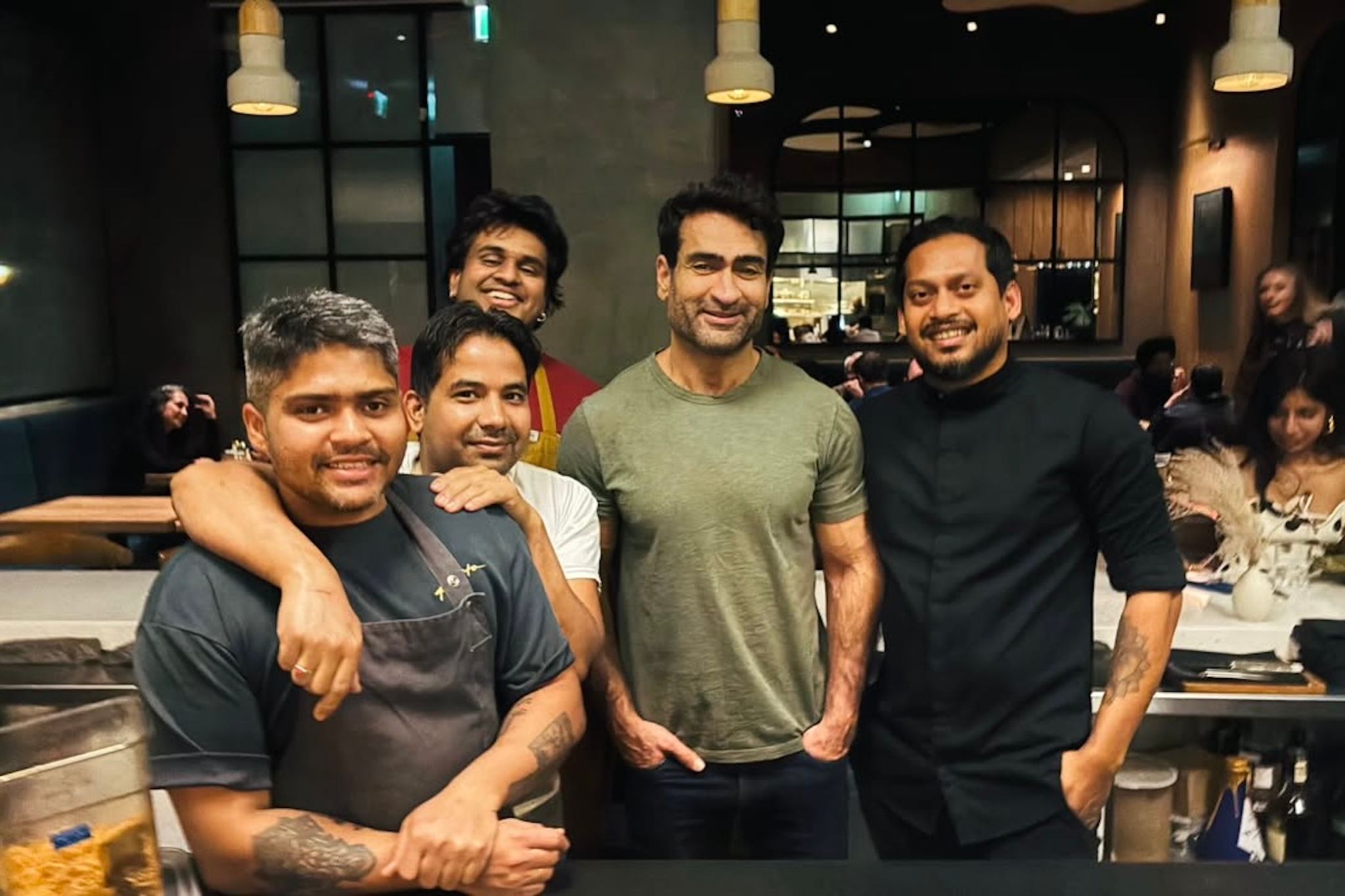
Structured kitchen pacing relies on predictable dining patterns, yet institutional accolades inevitably disrupt that order. At Kavita in Vancouver, this pressure emerged immediately after formal recognition. The restaurant received Bib Gourmand status at the 2026 Michelin Guide Vancouver ceremony. Days later, actor Kumail Nanjiani arrived to dine from the a la carte selection rather than the kitchen's sequential progression. Chef and owner Tushar Tondvalkar confirmed that the guest was cordial to the staff and pledged to return to experience the signature amma-kase menu.
The interaction highlights a persistent divide between how restaurants structure high-technique menus and how diners actually consume them. An amma-kase format adapts the course-by-course pacing of omakase, translating domestic South Asian maternal cooking into a formal dining progression. This method requires prolonged extraction of gravies, careful spice layering, and continuous timing at the stove. Line cooks must coordinate distinct cooking vessels, monitoring reductions while preparing fresh flatbreads to match each specific course. Timing must remain exact, because the thermal balance of regional gravies deteriorates if plates linger on the pass. When guests bypass that progression for casual ordering, the kitchen must abruptly pivot between two incompatible rhythms.
Operational Demands of Institutional Notice
Recognition from the Michelin Guide Vancouver immediately shifts customer expectations. The Bib Gourmand designation rewards high-calibre preparation at an accessible price point, bringing immediate waves of diners who may not seek an extended, structured tasting. Celebrity attention multiplies that visibility. Nanjiani was present in the city to film the FX comedy series Very Young Frankenstein, directed by Taika Waititi alongside Zach Galifianakis, Dolly Wells, Spencer House, Nikki Crawford, and Cary Elwes. Such cultural notice brings valuable energy to an independent dining room, yet it does not solve the underlying technical friction of kitchen logistics.
Every kitchen operates within hard physical limitations. Independent venues exploring South Asian culinary traditions face a dual challenge: defending the dignity of complex regional techniques while managing thin margins. Preparing an amma-kase lineup demands labour-intensive prep work, specialized spice pastes, and uninterrupted station focus. Running an a la carte menu alongside that progression fractures attention. Sauté stations and sauce pots cannot easily toggle between immediate orders and slow reductions. A cook tending braises for a multi-plate tasting cannot simultaneously expedite fast-fire pan orders without risking precision across both services.
Running an a la carte roster alongside a signature tasting demands two distinct kitchen cadences.
Commercial Insurance Versus Culinary Execution
There is an understandable financial defense for maintaining dual service formats. Relying exclusively on pre-booked tasting seatings creates severe revenue exposure. When cancellations occur or dining trends fluctuate, a rigid multi-course restaurant faces high food spoilage and unrecovered prep hours. Maintaining a flexible a la carte menu preserves daily table turnover, captures casual patrons, and cushions the business against uneven seatings. Operating an approachable dining room alongside a structured format allows an independent team to build neighborhood trust. For an owner, broad accessibility functions as essential commercial insurance.
Yet that very insurance dilutes the focused execution that multi-course formats require. When patrons choose single dishes, the narrative sequence of an amma-kase menu stays locked in prep containers. The kitchen carries the inventory and labor costs of tasting dishes that remain unordered, while sauté stations absorb the strain of variable walk-in orders. Kavita illustrates the delicate tightrope walked by immigrant culinary projects earning mainstream recognition. Critical notice brings welcome spotlight and celebrated patrons, but preserving the exacting craft of traditional culinary progressions requires sustained commitment from the diners who fill those seats.
Sources
Newsletter
Pacific Daily
A curated briefing from Thailand, Asia-Pacific and the world.