When Culinary Orthodoxy Meets the Modern Commercial Kitchen
An Australian workplace tribunal ruling over pineapple on pizza exposes the uneasy boundary between inherited culinary discipline and consumer service.
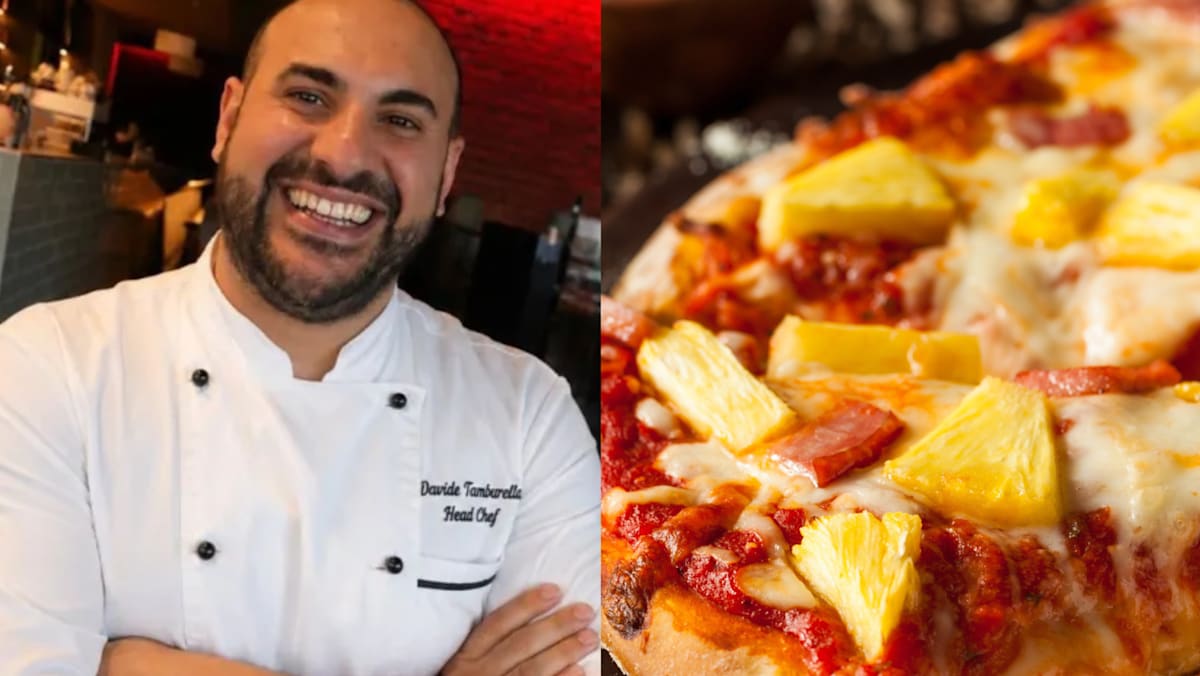
Commercial kitchens operate on an unspoken hierarchy between culinary dogma and commercial compliance. A recipe codified over centuries demands strict fealty to technique, ingredients, and proportion, while the dining room demands whatever the paying patron desires. When these two systems collide at the service counter, the resolution rarely favours the purist.
That tension received a formal legal hearing when Australia's Fair Work Commission weighed the dismissal of head chef Davide Tamburella. At Costa Restaurant in Brisbane's Fortitude Valley, Tamburella had repeatedly refused customer orders requiring pineapple on pizza, regarding the practice as an insult to his culture. The workplace tribunal noted that the chef had declined to place the fruit on pizzas around three times across four years, forming part of a broader set of workplace complaints that ultimately cost him his employment.
The Boundaries of Heritage
Food traditions endure primarily because their practitioners treat them as closed semantic systems. For an Italian cook schooled in regional restraint, combining mozzarella and tomato sauce with tropical fruit breaches an aesthetic logic governed by acid balance and historical convention. Such convictions are not mere stubbornness; they represent the transmission of craft, defended through stubborn adherence to unwritten codes.
Yet the export of European culinary traditions into Pacific and Anglo-Saxon dining markets inevitably alters their social contract. In Brisbane, as across much of the Asia-Pacific urban landscape, dining establishments do not function as state-funded preservation trusts. They operate as consumer service enterprises where customer accommodation supersedes regional pedigree. When the Fair Work Commission upheld the restaurant operator's right to manage its staff, it effectively confirmed that an employee cannot unilaterally declare their personal cultural boundaries sovereign over the menu.
Sovereignty at the Pass
There is, nevertheless, a legitimate counterargument regarding the status of executive kitchen talent. Establishments hire experienced European head chefs precisely to trade on their cultural pedigree, using their perceived authenticity to market elevated casual dining. Expecting a professional to embody traditional authority while ordering them to abandon its basic tenets introduces a distinct structural contradiction. An employer cannot easily profit from an artisan's background while penalising the exact scruples that produced it.
An employer cannot easily profit from an artisan's background while penalising the exact scruples that produced it.
What this tribunal decision ultimately underlines is the quiet subjugation of artisanal authority to retail pragmatism. Food migrates across oceans, sheds its regional guardians, and adapts to the palate of distant dining rooms. In that ongoing collision between craft memory and commercial utility, the customer ticket will almost always overrule the cook.
Sources
Newsletter
Pacific Daily
A curated briefing from Thailand, Asia-Pacific and the world.