The Cost of Regional Purity in Modern Omakase
Masayoshi Baba’s recognition at the World Culinary Awards illustrates how diaspora sushi kitchens balance historical Japanese discipline against local coastal procurement.
SINGAPORE
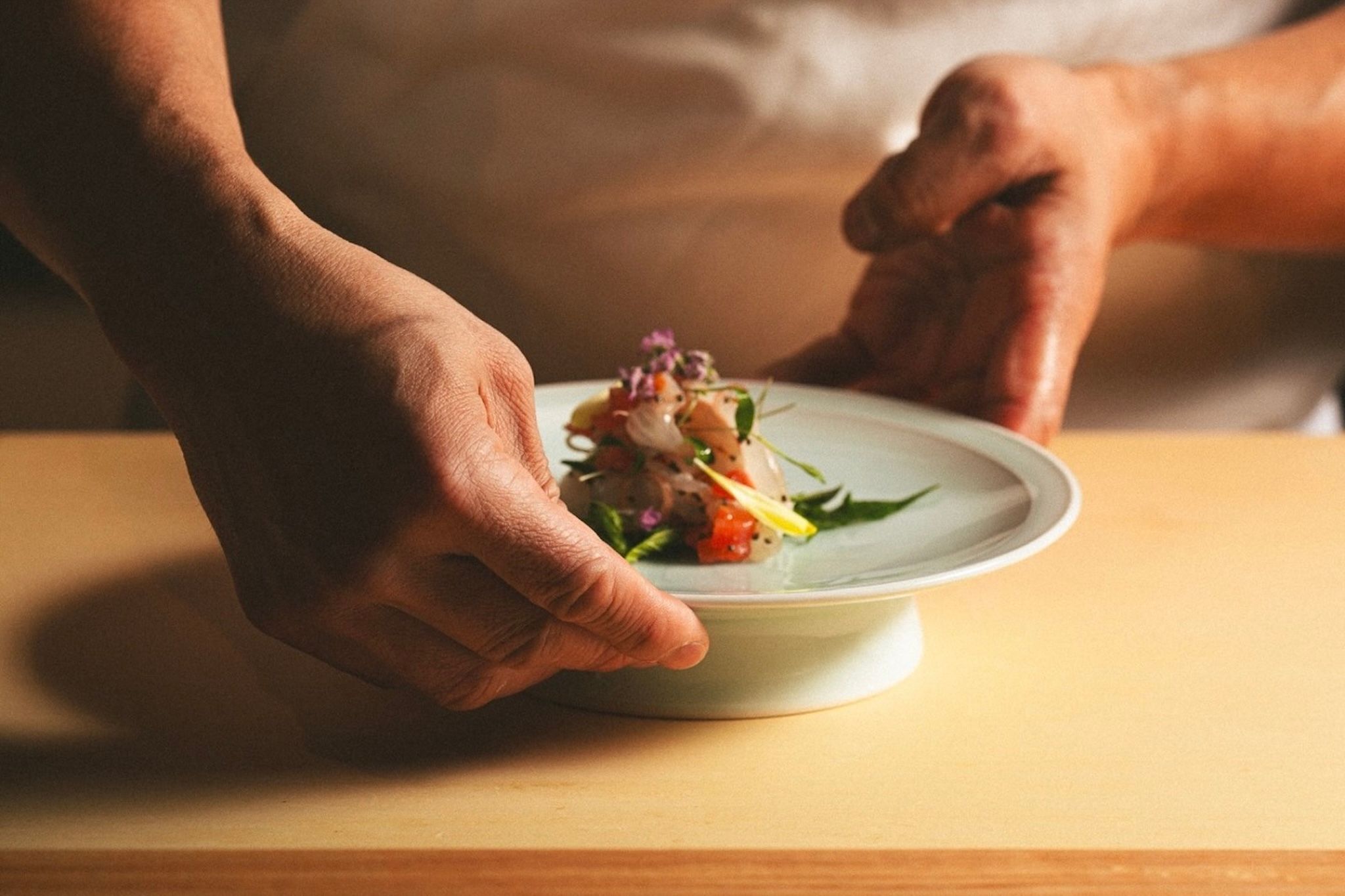
Traditional Edomae preservation emerged out of necessity long before mechanical refrigeration existed, yet its most celebrated modern executions increasingly rely on distant shorelines. The recognition of Masayoshi, an omakase dining room in Vancouver’s Fraserhood neighbourhood, brings that operational paradox to the surface. Named North America’s Best Japanese Cuisine Restaurant at the World Culinary Awards, the Michelin-starred establishment runs on a technical heritage imported from Japan while sourcing its primary catch directly from British Columbia.
Industry ceremonies routinely treat such prizes as celebrations of individual talent. Inside the dining room, an omakase counter functions instead on strict inventory control, perishable margins, and exacting supplier agreements. Chef Masayoshi Baba frames his service around hyper-seasonal procurement, combining Edomae-style technique with British Columbia’s seafood to emphasize natural texture and flavour. That operational discipline alters the fundamental balance sheet of luxury dining. Capital allocations shift away from long-distance air cargo and toward provincial cold storage, specialized butchery, and intensive preparation hours.
The Geography of Supply
For decades, elite Japanese dining across North America depended on a predictable prestige formula. Kitchens purchased whole fish from overseas auctions, cleared agricultural inspections at regional airports, and transferred logistics overhead directly into the final bill. That model maintained orthodoxy, but it carried substantial transport waste, tariff exposure, and freight mortality. Masayoshi Baba departs from that pattern by relying on British Columbia’s coastal harvest, applying Edomae-style curing methods to marine species that historical masters never handled.
Applying antique curing protocols to regional cold-water catches requires careful empirical testing rather than simple ingredient substitution. Native fish stocks react differently to salt drawing, rice vinegar immersion, and controlled aging. The technique functions specifically to regulate moisture, soften dense muscle tissue, and heighten natural glutamates before cellular breakdown begins. Applied to regional catches, classical method ceases to be ornamental heritage. It becomes an active preservation mechanism that diminishes dependence on cross-ocean freight networks.
This culinary pivot parallels wider movements across the Pacific rim. In the same award cycle, Richmond establishment Baan Lao earned continental recognition for its elite service, showing that regional dining hierarchies no longer reward the passive mimicry of distant metropolitan capitals. Guests pay premium prices not for long-distance transport manifests, but for the kitchen labour required to interpret provincial ingredients through established foreign technical systems.
Labour Versus Material
A persistent financial friction governs this culinary equation. Procuring local seafood does not automatically reduce kitchen costs. Small day-boat operations, sustainable line catches, and direct dockside handling in British Columbia command premium wholesale rates that rival trans-oceanic imports. The commercial benefit shifts entirely into kitchen labour hours. Converting unfamiliar local fish into pristine nigiri requires intensive knife work, continuous curing tests, and precise inventory management.
Capacity constraints quickly limit this approach. A focused omakase room in Fraserhood accommodates only a limited number of diners per sitting, absorbing steep labour costs across a strictly capped covers count. The award conferred by the World Culinary Awards elevates the room’s profile, but it cannot alter the physical economics of high-touch kitchen operations. Masayoshi Baba can prove the viability of regional seafood, but the enterprise remains defined by finite seasonal catches and the rare culinary labour needed to shape them.
Sources
Newsletter
Pacific Daily
A curated briefing from Thailand, Asia-Pacific and the world.