The Silent Vulnerability Inside Mass Confectionery
A Canadian recall of Dairy Milk Oreo exposes how industrial food manufacturing obscures what consumers actually swallow
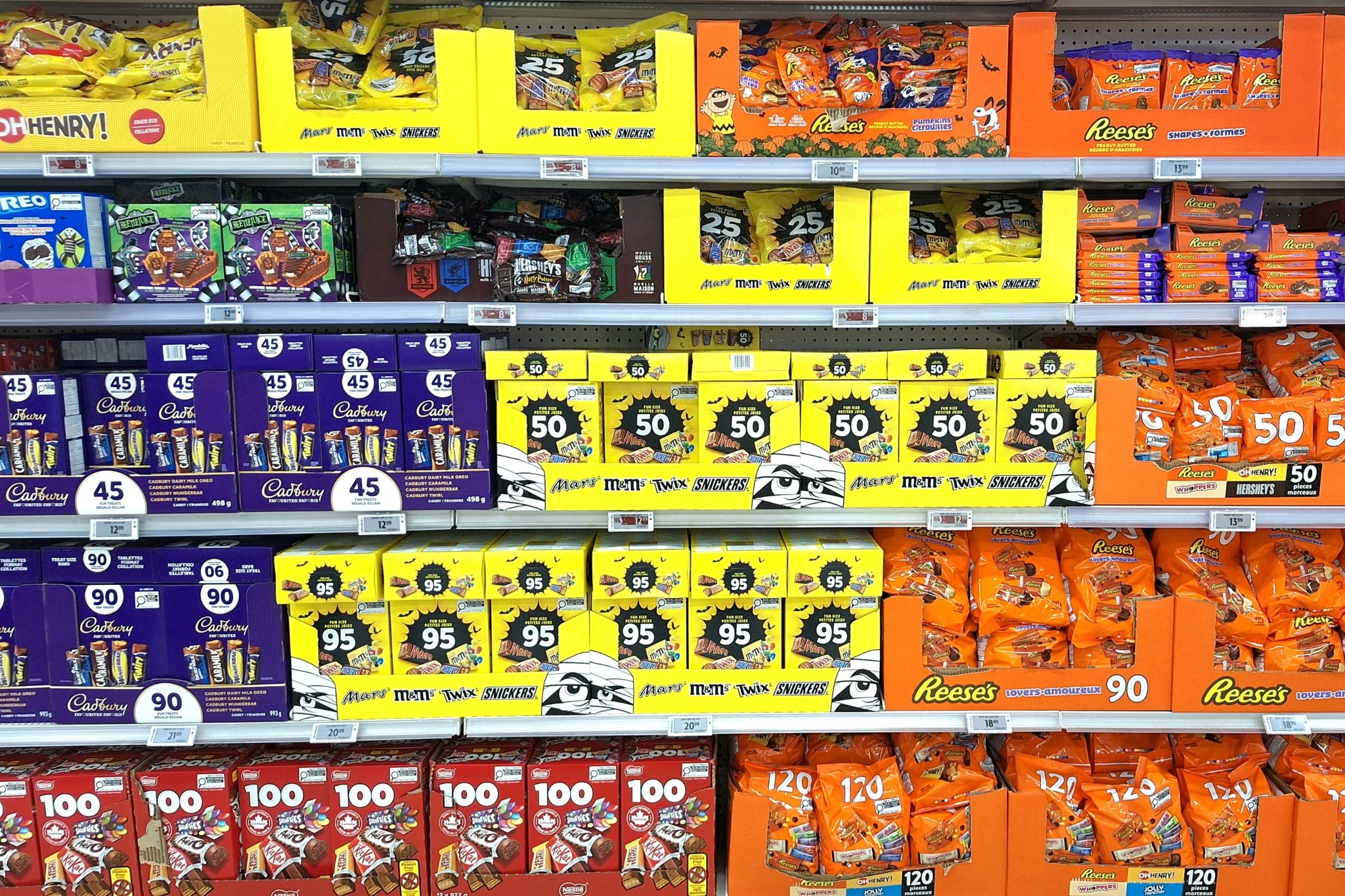
Industrial confectionery depends on an unwritten promise of absolute uniformity, assuring buyers that an engineered bar tastes identical wherever it is unwrapped. Regulatory records indicate that this commercial compact fractured on Nov. 20, 2026, when the Canadian Food Inspection Agency announced a nationwide recall of Cadbury Dairy Milk Oreo Candy. The treat size bar was withdrawn from circulation after inspectors confirmed the presence of undeclared pistachio, an omission documented only after a consumer filed a complaint and an adverse physical reaction took place.
The mechanics of this recall reveal a deeper structural pattern in modern eating habits.
Food preparation historically relied on immediate sensory assessment, where human hands sorted beans and crushed seeds in open view within local workshops. Over generations, industrial processors dismantled those vernacular routines, replacing community sweetmakers with centralized mixing facilities where distinct ingredient streams intersect inside closed machinery. The Cadbury incident illustrates the vulnerabilities that emerge when processing scales up beyond direct human scrutiny. When an unlisted nut enters an established recipe, packaging obscures the deviation until an allergic customer experiences bodily harm.
Shifting lines and regional risks
Corporate manufacturers typically defend shared production lines as an operational necessity, maintaining that sanitation protocols prevent cross-contact between distinct ingredients. That technical defense faces practical limits whenever an unlabeled allergen bypasses internal controls and reaches retail shelves across a continent. In its official notice, the Canadian Food Inspection Agency advised shoppers directly:
The affected products are being recalled from the marketplace because they may contain pistachio, which is not declared on the label.
This administrative intervention carries meaningful resonance across the Asia-Pacific. Urban households across Pacific trade routes frequently purchase packaged Western confectionery under the assumption that multinational corporations enforce stricter oversight than domestic food stalls. When multinational brands fail basic ingredient disclosures in highly regulated markets such as Canada, that consumer confidence appears increasingly misplaced.
The disappearing craft of food vigilance
Mass production standardizes taste while eroding the sensory literacy that previously governed human diets. Modern shoppers are trained to inspect printed labels rather than raw ingredients, trusting external inspection regimes and corporate compliance teams to verify purity. In instances where clerical oversight falters, the individual possesses no sensory mechanism to identify an invisible residue of pistachio suspended within vegetable fat and cocoa powder.
Safety, in this framework, ceases to be preventative.
According to agency findings, the Canadian alert materialized only after an individual consumed the chocolate, suffered a reaction, and contacted authorities. That sequence indicates that oversight in this instance functioned only after a post-distribution failure. It reflects a wider pattern in distributed supply networks, where verification often shifts to the consumer, revealing unlisted ingredients only after a reaction has already taken place.
Sources
Newsletter
Pacific Daily
A curated briefing from Thailand, Asia-Pacific and the world.