The Vanishing Dining Room and the Celebrity Shift to Shared Kitchens
Singaporean public figures are abandoning long leases for campus counters and pop-ups, exposing how urban real estate alters hospitality culture.
SINGAPORE
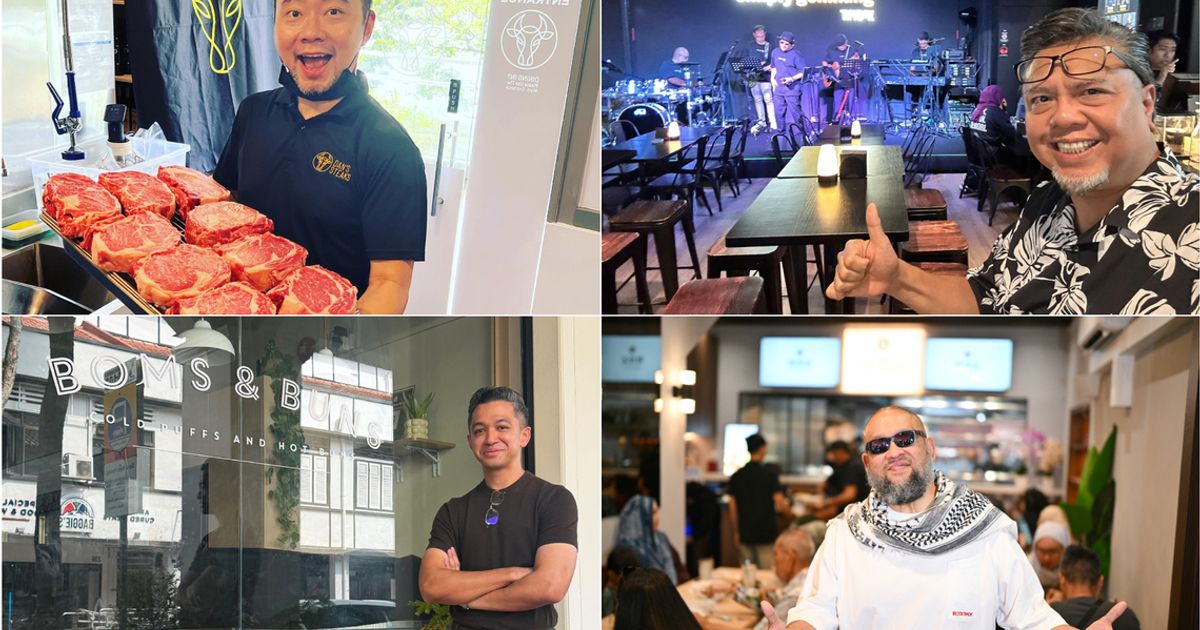
Urban hospitality once rested entirely on the permanence of a dining room. In older commercial districts, physical continuity signaled social credibility, anchoring neighborhood habits over decades. That physical pact between proprietor and public is dissolving across Singapore. High commercial rents and rising operating costs are prompting a visible retreat from standard commercial tenancies. According to reporting by The Straits Times Life, public personalities such as Daniel Ong, Suhaimi Yusof, Li Nanxing, and Yung Raja are turning toward alternative formats, including campus bistros and shared kitchens, explicitly seeking operational survival without the burden of heavy long-term leases.
Space costs money.
This migration away from formal high-street shopfronts signals a deeper structural shift in how urban food ventures operate across dense Asian metropolises. For decades, a prominent name attached to a physical storefront offered patrons a recognizable civic anchor. Today, the arithmetic of overheads compels a different calculation entirely. Survival appears tied no longer to the duration of a lease or the physical presence of a dining room, but to how swiftly an operator can disengage from a location. What is preserved is the visibility of the personal brand; what is quietly replaced is the physical institution that once anchored community life.
The Architecture of Downscaling
Commercial durability in food service was historically forged through physical sites that weathered economic cycles. When enterprises collapsed, the loss was visible in dark windows and shuttered doors. The accounts of Syarif, alongside those of Taufik Batisah and Sheikh Haikel, suggest that conventional dining models carried unforgiving financial consequences when economic conditions shifted. Their documented losses forced a structural reckoning. This accumulated experience appears to have shaped a defensive posture across the sector.
Instead of committing to standard retail overheads, modern operators increasingly structure ventures around shared infrastructure and tactical partnerships. Daniel Ong, whose track record spans ventures such as Dan’s Steaks and Rookery, reflects a broader operational turn toward tighter financial control and institutional partners. Moving into campus bistros or operating through temporary pop-ups allows recognizable names to capture consumer demand while limiting exposure to commercial real estate. Yet this operational nimbleness brings an aesthetic trade-off. Communal dining rooms give way to decentralized production counters.
Detaching Food From Place
This operational retreat alters the texture of metropolitan food cultures. When dining services withdraw into pop-ups and communal kitchen spaces, cooking is unmoored from the permanence of place. The traditional restaurant historically served as an informal civic hall where diners crossed paths across common tables. In contrast, distributed production treats the meal as an isolated transaction, engineered primarily around lower payroll requirements and minimal lease exposure.
Celebrity operators serve as an instructive bellwether for wider economic shifts. Their public recognition provides an organic marketing reach that independent operators lack. If prominent public figures cannot sustain conventional dining rooms against prevailing property rents, the pressures facing non-celebrity culinary artisans are demonstrably higher. The urban dining room is gradually transforming into a temporary transaction.
Sources
Newsletter
Pacific Daily
A curated briefing from Thailand, Asia-Pacific and the world.