The State Wardrobe and the Pop Idol
South Korea pairs celebrity diplomacy with domestic statutory controls as it seeks to codify traditional dress for international export
SINGAPORE
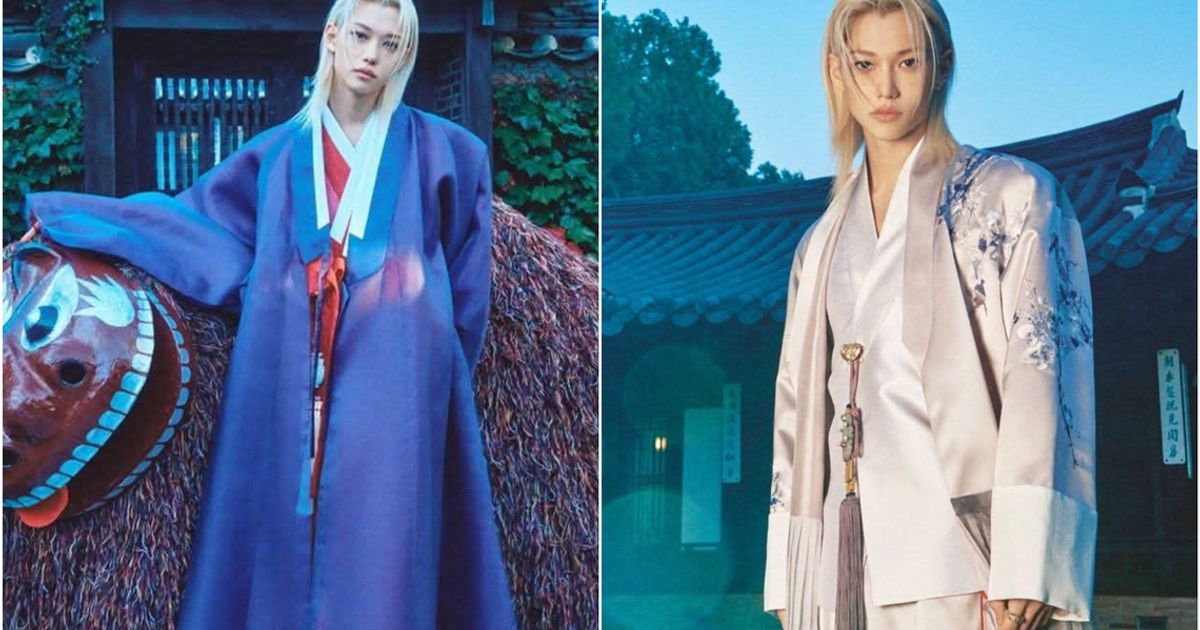
Traditional garments often enter international awareness as decorative diplomacy, worn for state banquets or cultural festivals before returning to museum cases. The South Korean government has chosen a different mechanism by casting Felix, a member of the boy band Stray Kids, as the central figure of its 2026 Hanbok Wave campaign. Photographic displays featuring the performer in traditional dress are scheduled to appear in major metropolitan hubs, including Seoul, Tokyo, Jakarta, Paris, Milan, New York and Rio. By placing an idol at the centre of this visual strategy, the Ministry of Culture, Sports and Tourism aims to translate global entertainment literacy into sustained commercial interest for domestic textiles.
This promotional push represents only one side of a broader institutional programme. Alongside international billings, Seoul is preparing to enforce the Hanbok Culture Industry Promotion Act, a formal statute designed to expand the business ecosystem surrounding traditional clothing while safeguarding national cultural identity. Complementary public efforts will instruct visitors and rental shops on appropriate dress codes and proper usage. What presents itself abroad as an open, fluid aesthetic export is accompanied at home by deliberate legal boundaries and state-directed etiquette.
Exporting Form While Legislating Custom
The dual strategy reflects an enduring tension within cultural policy across Asia. Creative industries have demonstrated an exceptional capacity to captivate foreign markets, yet commercial success often detaches historic forms from their original social functions. Tourist rental businesses in Seoul have long adapted garments with synthetic fabrics and non-traditional fasteners to cater to casual visitors seeking swift photo opportunities. By moving to regulate these commercial practices, the government acknowledges that global visibility risks diluting the very heritage being marketed.
Codifying correct attire through legislation introduces administrative friction that creative economies rarely welcome. Proponents argue that standardisation prevents historical misrepresentation and protects artisan craftsmanship from industrial degradation. Critics within the broader design sector often observe that heritage garments survive precisely because past generations altered silhouettes, textiles and dyes to meet shifting social conditions. Freezing a garment into an officially sanctioned template can restrict the spontaneous reinterpretation that allows historical clothing to remain relevant to younger generations.
The Limits of Institutionalised Identity
Directing this cultural export toward cities as varied as Tokyo, Jakarta, Milan and New York suggests confidence in the global resonance of the country's popular culture. The campaign assumes that international consumers drawn by the visual authority of pop performers will absorb the specific historic integrity of the dress itself. In practice, external audiences frequently consume such imagery purely as theatrical style, largely indifferent to the legislative protocols governing seams, hems or ceremonial decorum.
A policy that mandates proper usage in domestic rental shops cannot easily govern how foreign consumers interpret, modify or commodify those visual forms abroad. Enforcing domestic standards while courting international retail markets creates a boundary problem that statutory measures cannot resolve. When traditional dress becomes an article of international commerce, authority over its meaning inevitably disperses. South Korea has enlisted its most recognisable entertainment figures to anchor that identity overseas, yet the legal mechanisms intended to secure authenticity may find their most rigid limits at the national border.
Sources
Newsletter
Pacific Daily
A curated briefing from Thailand, Asia-Pacific and the world.