The Corporate Scrubbing Behind South Korea's Celebrity Reckonings
Ko Kyung-pyo's drunk-driving crash reveals how production networks insulate institutional capital by immediately expelling individual liability
SINGAPORE
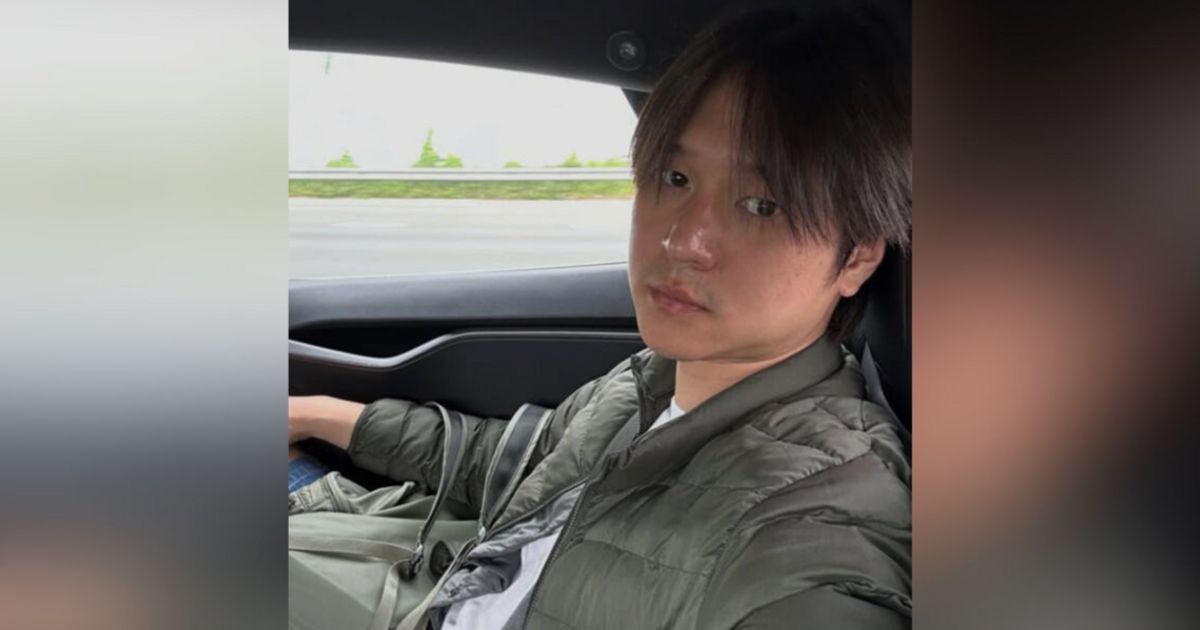
Commercial screen production relies on predictable human assets, yet individual conduct continually exposes the operational vulnerability of the entire system. When South Korean actor Ko Kyung-pyo crashed into a cleaning truck early on the morning of Nov 14 in Seoul, the incident immediately shifted from a domestic traffic infraction into an industrial crisis. Ko acknowledged that his blood alcohol level exceeded the legal threshold, leading to the revocation of his licence, while the truck driver, a man in his 60s, sustained minor injuries. The public apology arrived alongside an announcement that Ko would suspend all scheduled activities and cooperate with investigating authorities. The response from production houses, however, reveals the deeper mechanics governing contemporary cultural exports.
Within hours of the collision, television productions began excising Ko from recorded broadcasts, cutting his screen time and dismantling promotional materials. This rapid erasure illustrates a standard institutional reflex across East Asian media ecosystems. Studios do not merely pause; they re-edit existing intellectual property to insulate broader commercial distribution from public censure. What appears as a moral sanction functions primarily as supply-chain risk mitigation.
Industrial Insulation Over Individual Repentance
Cultural industries across Seoul operate under stringent domestic standards where consumer boycotts translate into immediate balance-sheet damage. When a performer faces legal censure, the network of commercial partners absorbs secondary disruption. Broadcast schedules stall, post-production teams face unplanned labour to cut scenes, and future episode releases suffer direct collateral impact. The speed of the corporate response highlights how precarious the contract between individual celebrity and corporate sponsor remains.
The immediate excision of an actor from completed footage reflects institutional self-preservation rather than mere moral condemnation.
The dynamic exposes a persistent asymmetry between the human worker and the corporate apparatus. A municipal sanitation worker in his 60s sustained physical injury in Mapo-gu, Donggyo-dong during his shift, representing the mundane civic infrastructure that functions beneath the surface of urban life. Meanwhile, the legal aftermath above ground triggers an expensive logistical scramble among entertainment executives intent on scrubbing visual traces of their compromised asset before morning broadcasts air.
The Regional Economics of Reputational Risk
Across Asia-Pacific markets that import South Korean entertainment formats, programming distribution agreements depend heavily on sanitised public profiles. Content syndication across regional platforms cannot tolerate domestic regulatory entanglements or advertiser boycotts originating in Seoul. Consequently, the mandate to purge compromised actors operates across international borders, dictating editing room decisions that affect viewers well beyond South Korea.
Industry defenders argue that immediate suspension of contracts and content removal preserves the integrity of collaborative work, preventing the misdeeds of one individual from sinking an entire production ensemble. Yet this commercial calculation also treats performers as entirely fungible units within an export machine, where reputational decontamination must be swift, total and visible.
The unresolved question sits in the balance between swift institutional discipline and lasting systemic accountability. Broadcasters can cut recorded scenes and revoke marketing campaigns within hours of an incident in Seoul, but the industrial pressures driving both celebrity liability and rapid corporate dissociation remain unaddressed.
Sources
Newsletter
Pacific Daily
A curated briefing from Thailand, Asia-Pacific and the world.