Singapore Stages Non-Human Design While Urban Extraction Continues Unexamined
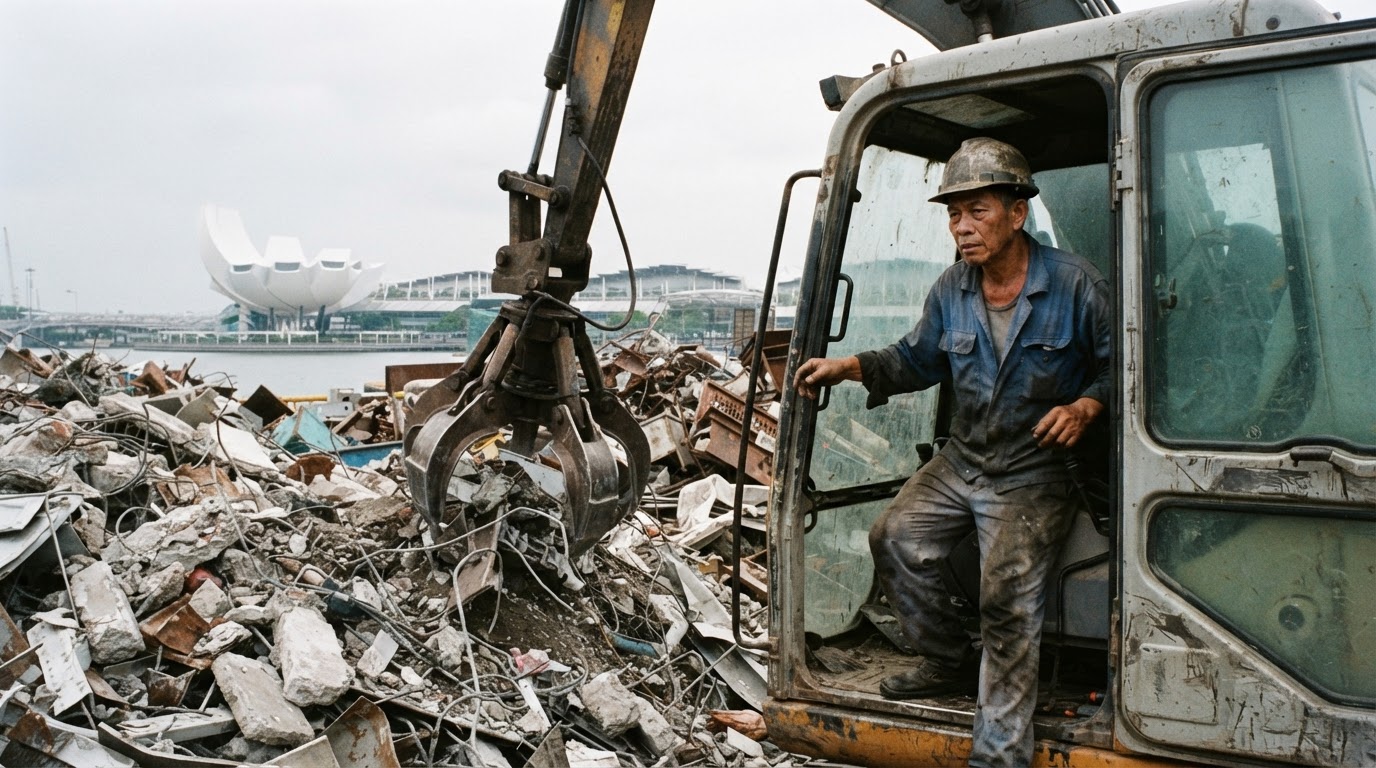
ArtScience Museum frames design beyond anthropocentric utility, yet cultural spectacles rarely account for the physical material supply chains that sustain them
SINGAPORE
Cultural institutions across Southeast Asia increasingly stage public programs interrogating life outside immediate human convenience. In Singapore, ArtScience Museum presents an exploration of design beyond the human realm, as reported by Designboom. The curatorial premise directs public attention past conventional consumer styling toward ecological networks, animal habitats, and synthetic biological processes. Staging such concepts inside an elite urban showcase exposes a familiar tension. Metropolitan centers readily curate post-human coexistence within climate-controlled galleries while externalizing the ecological costs required to maintain those very spaces.
Every exhibition addressing non-human agency faces an immediate accounting problem. Public cultural programming routinely celebrates interspecies collaboration, fungal manufacturing, and botanical intelligence as philosophical breakthroughs. Yet the physical reality of Southeast Asian urban development remains relentlessly extractive. Singapore functions as an intensive logistical clearinghouse, importing vast quantities of concrete aggregates, fresh water, and cooling energy to insulate urban life from regional heat. When an institution asks audiences to consider design divorced from human primacy, one must examine the physical infrastructure underwriting the inquiry.
The Commodity of Ecological Aesthetics
Curating non-human systems often transforms ecological survival into an aesthetic exercise. Galleries assemble bio-materials, non-human habitats, and sensory installations that simulate natural processes under strict architectural control. Visitors observe closed-loop terrariums or speculative architectural habitats engineered for non-human organisms, isolated from unpredictable environmental stresses. This framing neutralizes the economic friction between urban consumption and wild ecologies.
Speculative non-human design offers cultural absolution only when galleries ignore the raw material inputs keeping urban cultural capitals running.
Consider the operational boundary separating curatorial representation from material reality. Agrarian landscapes throughout equatorial Asia supply timber, sand, and agricultural yields to metropolitan nodes under intense commercial pressure. Presenting non-human agency as an avant-garde design frontier risks masking the economic terms under which non-human ecosystems are systematically cleared or commodified. A gallery exhibit cannot reconcile environmental extraction simply by giving non-human organisms conceptual billing on museum display labels.
Structural Limits of the Curatorial White Cube
Advocates of post-human design argue that institutional exposure shifts civic consciousness. By exhibiting prototypes that serve pollinators, fungi, or microbial colonies, museums introduce urban publics to necessary alternatives. If civic planning treats biological entities solely as raw resources, presenting them as clients of design can destabilize destructive habits of thought. That educational function carries value, particularly within highly planned city-states that pride themselves on engineered green surfaces.
Shifting individual awareness rarely alters structural capital flows. Urban development directives prioritize commercial land yield, transport density, and foreign investment returns over multispecies equity. Design protocols tailored to non-human participants inevitably remain speculative prototypes unless municipal building codes mandate genuine habitat preservation at commercial cost. The ArtScience Museum exhibition demonstrates how effortlessly modern institutions adopt ecological vocabularies while leaving underlying resource equations untouched.
Until cultural platforms audit the material supply chains powering their galleries, celebrations of non-human design remain incomplete intellectual exercises. Displaying living networks behind pristine vitrines flatters metropolitan audiences without settling the ecological tab incurred outside museum walls.
Sources
Newsletter
Pacific Daily
A curated briefing from Thailand, Asia-Pacific and the world.