The Commercial Extraction of Generational Craft
Susanna Chow turned domestic heritage into American retail volume, yet artisan labor rarely captures the margins created by celebrity culture.
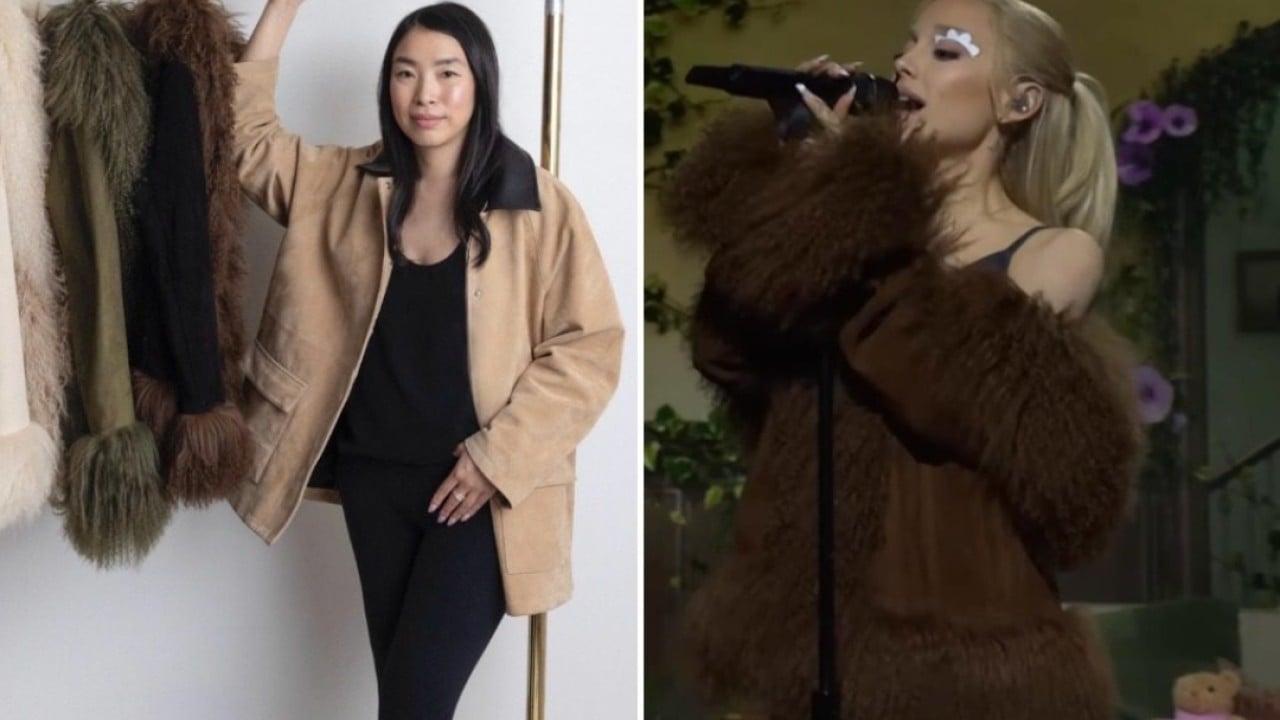
SINGAPORE
Artisanal production depends on unpaid domestic lineage until commercial scale demands a formal balance sheet. When New York designer Susanna Chow began fashioning pieces alongside her Hong Kong-born mother during the Covid-19 pandemic, the exercise belonged to household survival and domestic collaboration. Two years later, that informal workbench dresses pop star Ariana Grande and occupies floor space across upmarket American retailers. Celebrated as an Asian-American creative triumph grounded in Chinese heritage, the trajectory mirrors a familiar economic conversion: domestic immigrant technique transformed into high-margin luxury inventory.
Craft operations built inside the home typically draw value from generational knowledge that has never been assigned an hourly wage. Chow, who characterizes herself as a geek and a nerd at heart, did not construct her enterprise from a commercial business plan. Her path instead converted familial handiwork, passed down through generations, into wearable commodities suited for American consumer markets. Such narratives flatter both diaspora pride and Western department stores eager for cultural authenticity. The unexamined tension lies in production economics. Family technique functions efficiently within intimate borders, but retail distribution requires relentless replication.
The Retail Margin Dilemma
High-end American department stores impose rigid inventory schedules, trade allowances, and consignment pressures on independent labels. Dressing Ariana Grande confers instant global visibility, yet red-carpet placement does not resolve wholesale working capital requirements. Prestige validation frequently accelerates consumer orders before a nascent atelier possesses the manufacturing capacity to deliver them sustainably. Without industrial supply chains, an artisan house must either outsource fabrication to contract facilities in China or risk exhausting the domestic artisans whose cultural credibility established the label.
Family technique functions efficiently within intimate borders, but retail distribution requires relentless replication.
Mainstream commentary routinely frames these milestones as personal triumphs over outsider status. That narrative treats celebrity endorsement as the ultimate vindication of immigrant heritage. It obscures the structural machinery that captures most of the value generated by artisanal aesthetics. Department stores capture retail markup, media platforms harvest audience attention, and pop celebrities absorb aesthetic distinction. Meanwhile, the original craftspeople absorb the physical strain and inventory risk of fluctuating seasonal cycles.
Preserving Technique Under Scale
Diaspora designers frequently encounter an unforgiving operational fork. Scaling output through standard garment factories dilutes the artisanal lineage that made the collection distinct to begin with. Maintaining manual assembly, conversely, caps production volume and confines revenues to niche boutique distribution. Susanna Chow built an international profile by bridging Chinese heritage and New York fashion commerce, proving that Asian generational skill holds undeniable commercial cachet across the Pacific. What remains unsettled is whether boutique labels rooted in maternal technique can retain control over their labour when corporate wholesale channels dictate the pace of growth.
Sources
Newsletter
Pacific Daily
A curated briefing from Thailand, Asia-Pacific and the world.