The Commercial Illusion of Competitive Return
Ronaldinho stepping into Italian third-tier football exposes how lower divisions trade sporting development for brief global visibility
SINGAPORE
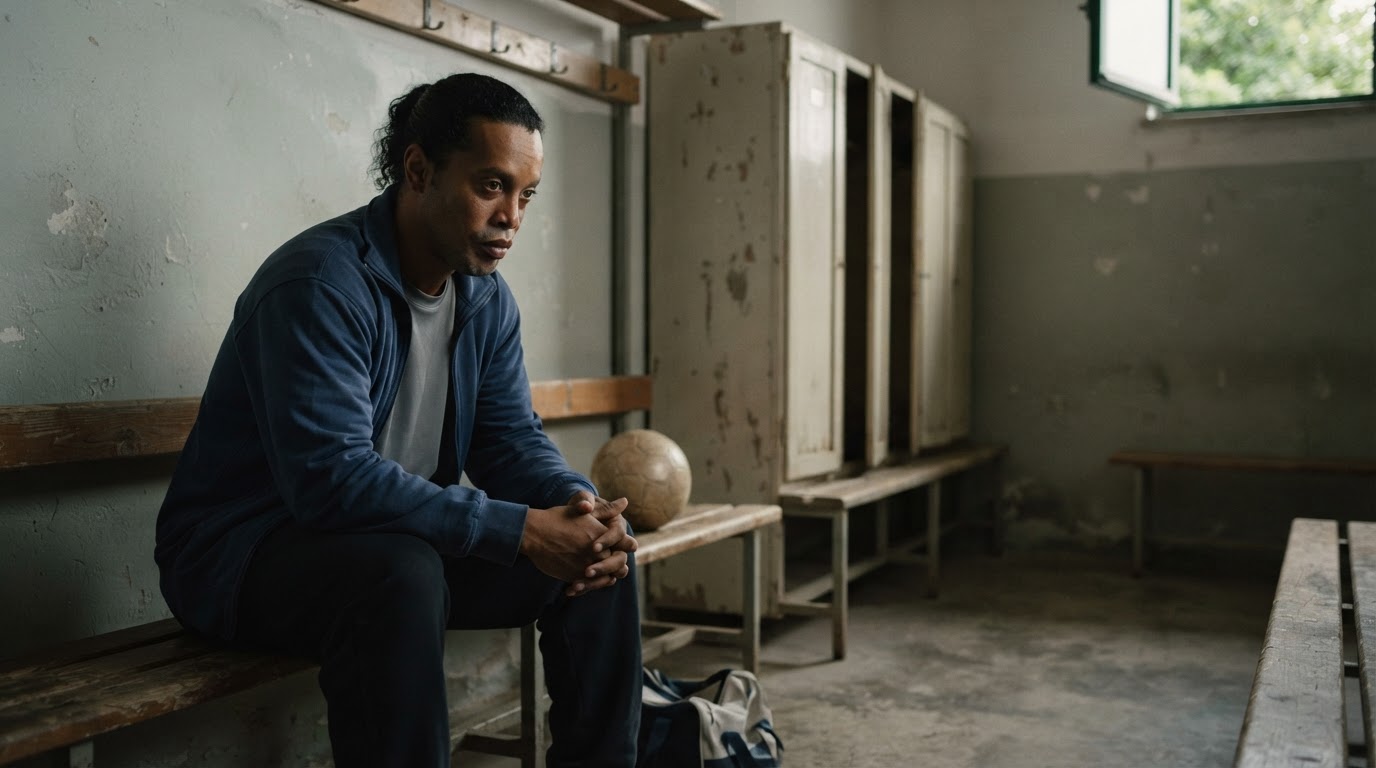
Competitive domestic football operates on an exacting physical baseline, yet athletic retirement has increasingly become a negotiable status. On Sunday, Brazilian World Cup winner Ronaldinho started for Italian third-tier club Ravenna against Forli at the Stadio Comunale Bruno Benelli. Wearing the number 10 shirt, the 46-year-old played his first competitive match in 11 years, participating throughout the first half before taking a lap of the pitch at the interval. Ravenna secured a 2-0 victory in the Serie C fixture, with Ronaldinho contributing to Giulio Donati scoring the opening goal in the 36th minute. Speaking to Sky Sport Italia, Ronaldinho remarked, "It was lovely to be here, playing, having the build-up in the dressing room," phrasing his presence as a personal reflection rather than an ongoing athletic commitment.
Professional leagues historically preserved clear boundaries between promotional appearances and competitive schedules. The insertion of a retired icon into an official domestic contest interrupts that convention. While lower-tier clubs face structural revenue constraints and persistent competition for public attention, bringing an athlete out of an eleven-year hiatus subordinates tactical continuity to immediate theatrical value. Ravenna achieved their victory over Forli on the pitch, but the institutional rationale for the appearance belonged entirely to broadcast circulation.
The Economics of Legacy Names
For smaller clubs, the calculation behind field appearances by former international stars is straightforward. Lower divisions struggle for digital relevance, ticket momentum and commercial sponsorship against top-flight properties. Staging a return for a former global standout instantly generates worldwide coverage that standard league competition cannot match. Supporters stood to applaud at the Stadio Bruno Benelli, yet this fleeting prominence leaves core structural questions unanswered.
"It was lovely to be here, playing, having the build-up in the dressing room,"
Proponents of such appearances argue that veteran involvement injects enthusiasm into secondary markets and lifts the profile of clubs that rarely reach international screens. That visibility, however, carries concrete sporting costs. Competitive rosters depend on developmental progression, rigorous pressing schemes and squad cohesion across a grueling calendar. Substituting athletic readiness with vintage appeal displaces active squad members who require competitive minutes for career progression. When Simone Rabbi or younger colleagues seek advancement through the lower tiers, treating official league fixtures as exhibition platforms weakens the integrity of the division.
Unresolved Structural Tensions
Beyond the immediate match day, the episode illustrates how contemporary football distribution incentivises short-term spectacle over sporting merit. Global viewership disproportionately rewards viral individual moments, drawing lower-tier administrators toward novelty rather than sustainable academy development or institutional stability. Lower-tier leagues risk repositioning themselves as secondary stages for nostalgic exhibition rather than credible proving grounds.
The broader tension between sporting authenticity and commercial theatre remains unresolved. Ravenna took the three points against Forli, but treating competitive league matches as ceremonial exhibitions establishes an unstable precedent for lower divisions navigating financial survival.
Sources
Newsletter
Pacific Daily
A curated briefing from Thailand, Asia-Pacific and the world.