Seoul's Tennis Boom Shows How Korea's Young Professionals Spend on Status
From packed public courts to visits by stars such as Taylor Fritz, tennis has become the city's favourite premium pastime for people in their twenties and thirties.
SEOUL
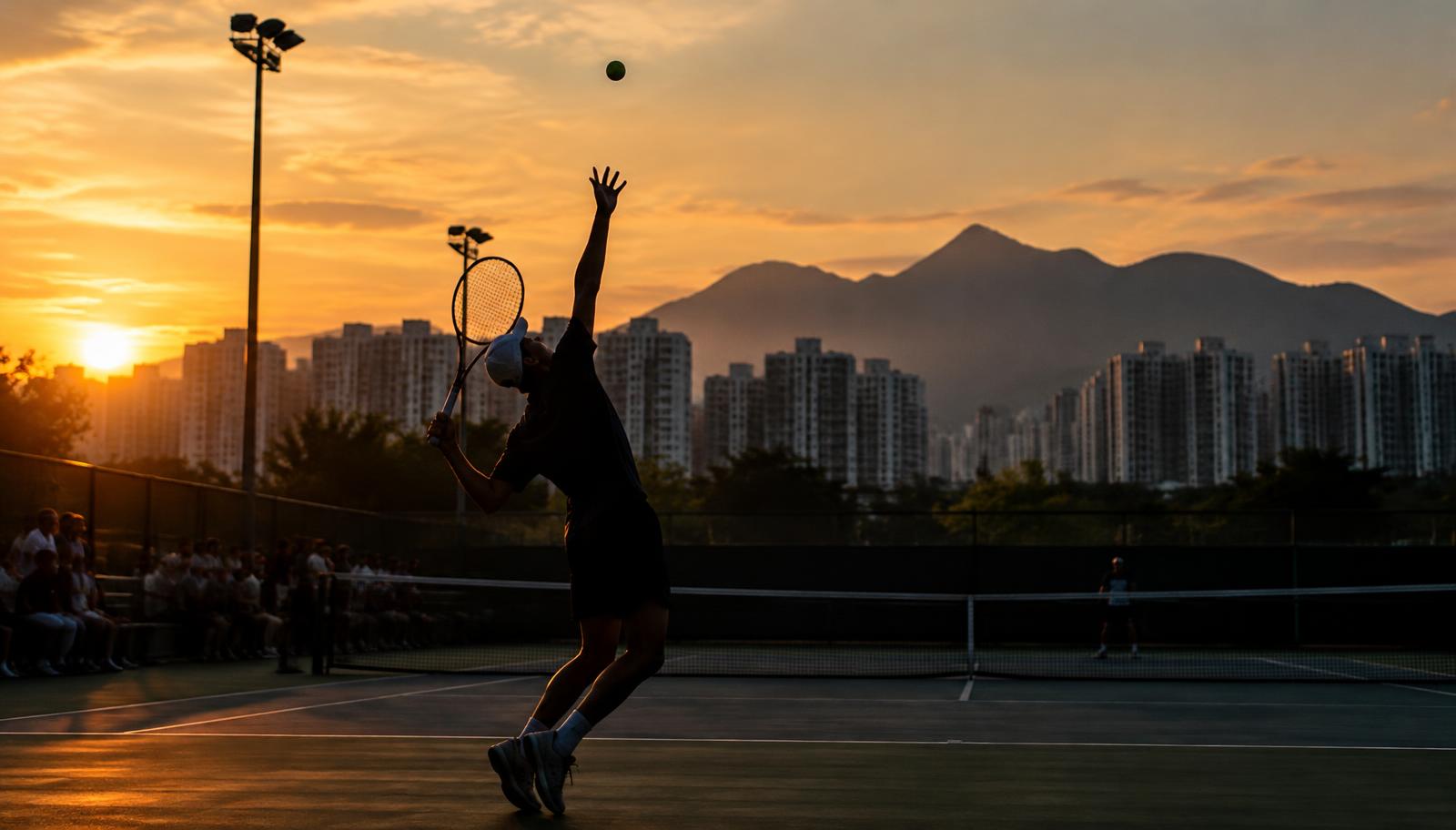
SEOUL — Book a weekend slot at a public tennis court in Seoul and you may find yourself refreshing a reservation page at the exact minute it opens. Over the past few years tennis has moved from a niche club sport to one of the most visible pastimes among the city's young professionals, and the attention surrounding visits by international players such as Taylor Fritz has only sharpened the appetite.
The boom is partly a story about health and partly a story about image. After the pandemic, outdoor sports that could be played in small groups surged across Korea. Golf took off first, but its cost and the time needed to reach a course limited its reach. Tennis offered a cheaper, urban alternative: an hour on a court near the office, followed by coffee.
It also photographs well. Social media feeds are full of pleated skirts, white polos and carefully chosen rackets, and fashion labels have responded with tennis capsules aimed at Korean buyers. Lessons, stringing services and indoor academies have multiplied across Gangnam, Mapo and Seongsu, and brands increasingly use tennis imagery to signal a lifestyle of discipline and quiet affluence.
The pull of global stars
Professional tennis has noticed. The Korea Open in Seoul has drawn stronger fields and bigger crowds, and exhibitions featuring top American and European players regularly sell out quickly. When a star such as Fritz appears for a clinic or exhibition, it is treated as a cultural event as much as a sporting one, with long queues for merchandise and heavy coverage on Korean platforms.
For tournament organisers and sponsors, the appeal is the audience. Korean tennis fans skew young, urban and willing to spend, a demographic coveted by luxury watchmakers, sportswear brands and premium car marketers. That makes Seoul an attractive stop on the Asian swing alongside Tokyo, Beijing and Shanghai.
Courts, not just clothes
The challenge is infrastructure. Seoul has a limited number of public courts relative to demand, and players complain about booking systems that favour the fastest clicker. Private indoor centres fill some of the gap but at a price that excludes many beginners. City districts have begun reviewing how to add courts in parks and on rooftops, though space in a dense city is never easy to find.
Coaches also warn that a fashion-led boom can fade as quickly as it came. Retaining players means affordable lessons, junior programmes and leagues that reward improvement rather than outfits. Korea's strongest players have shown that the country can produce competitive professionals; a deeper base of recreational players would make that pipeline more sustainable.
For now, the sight of courts lit late into the evening beneath apartment towers says something about modern Seoul. Its young professionals want sport that fits into a crowded week, looks good on camera and connects them to a global culture. Tennis, it turns out, ticks every box.
Sources
Newsletter
Pacific Daily
A curated briefing from Thailand, Asia-Pacific and the world.