When Trading Houses Turn to Pop Culture
The partnership between Itochu and Sony reveals why the modern entertainment economy still depends on physical supply chains to extract value from digital fandom.
SINGAPORE
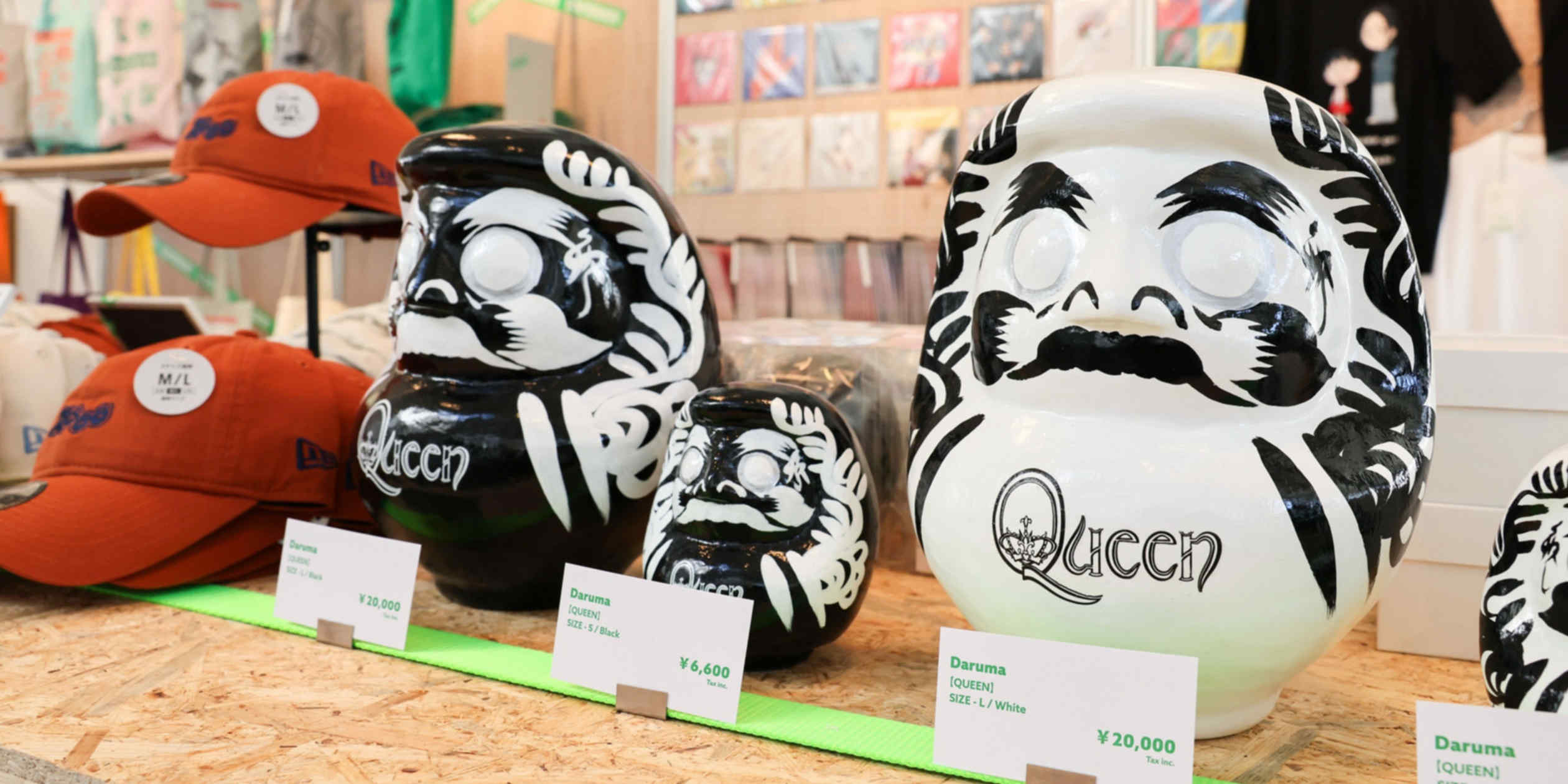
A concert hall clears out into the cool evening air, but the transactional life of the performance is only half finished. Long after the sound system cuts out, audiences queue along concrete corridors and exit lanes toward illuminated counters stacked with screen-printed garments, keychains, and physical memorabilia. What took place on stage was ephemeral, delivered through acoustic waves and digital amplification. What changes hands at the counter is tangible, industrial, and distinctly material.
Music and creator culture are routinely described as borderless digital experiences. Yet when Nikkei Asia reported that trading house Itochu and entertainment giant Sony have partnered to market artist-branded merchandise in an intellectual property push, the development exposed a less glamorous reality. Digital circulation generates visibility, but physical goods provide the margin.
The Tangible Shelf
For decades, Japan's general trading conglomerates built their balance sheets around basic commodities, wholesale distribution, and logistics infrastructure. Entertainment groups like Sony built theirs on hardware engineering, recorded music, gaming platforms, and talent management. Bringing these two corporate structures together signals an important pivot in how cultural properties are treated across Asia-Pacific markets.
Streaming platforms have made cultural distribution cheap, frictionless, and ubiquitous. That very frictionlessness, however, has hollowed out the unit economics of recorded content. When recorded audio commands fractions of a cent per stream, an artist's brand must be converted into something that occupies space on a shelf or hangs on a rail.
Physical goods provide the durable margins that streaming services have eroded across the entertainment sector.
Merchandising is hardly a new craft. What changes through an alliance between a trading firm and a content owner is the sheer operational scale applied to artistic output. Fabric procurement, manufacturing contracts, international customs navigation, and warehouse networks are not creative functions. They are the historic specialities of commercial trading houses, now directed toward consumer fandom.
The Contradiction of Cultural Scale
There is an unresolved friction at the heart of this strategy. Cultural affinity thrives on a perception of intimacy, distinctiveness, and creative spontaneity. Industrial merchandising operates on the opposing logic of volume, standardised manufacturing runs, and rapid inventory turnover.
When corporate machinery scales up production to meet cross-border regional demand, the goods inevitably risk feeling uniform. Fans embrace merchandise because it acts as a badge of personal taste and subcultural belonging. If the resulting objects reflect corporate efficiency rather than aesthetic care, consumer attachment can decay just as quickly as it formed.
The commercial risk is clear. Should consumer appetite for mass-produced artist goods soften, trading and entertainment conglomerates will find themselves managing unsold physical inventory rather than weightless digital assets. Managing physical stock across diverse retail environments requires relentless cost discipline and accurate demand forecasting.
Back at the venue concourse, the line still moves at the merchandise booth. The appeal of walking away with an object in hand endures because digital files cannot be worn, touched, or displayed on a bedroom wall. By joining forces, Itochu and Sony are betting that the future of intellectual property belongs not to those who merely stream culture, but to those who can manufacture, warehouse, and deliver its physical remnants.
Sources
Newsletter
Pacific Daily
A curated briefing from Thailand, Asia-Pacific and the world.