The Literary Defense Against Synthetic Culture
Debates over artificial intelligence and narrative authenticity expose deeper regional anxieties regarding cultural translation and sovereign artistic voice.
SINGAPORE
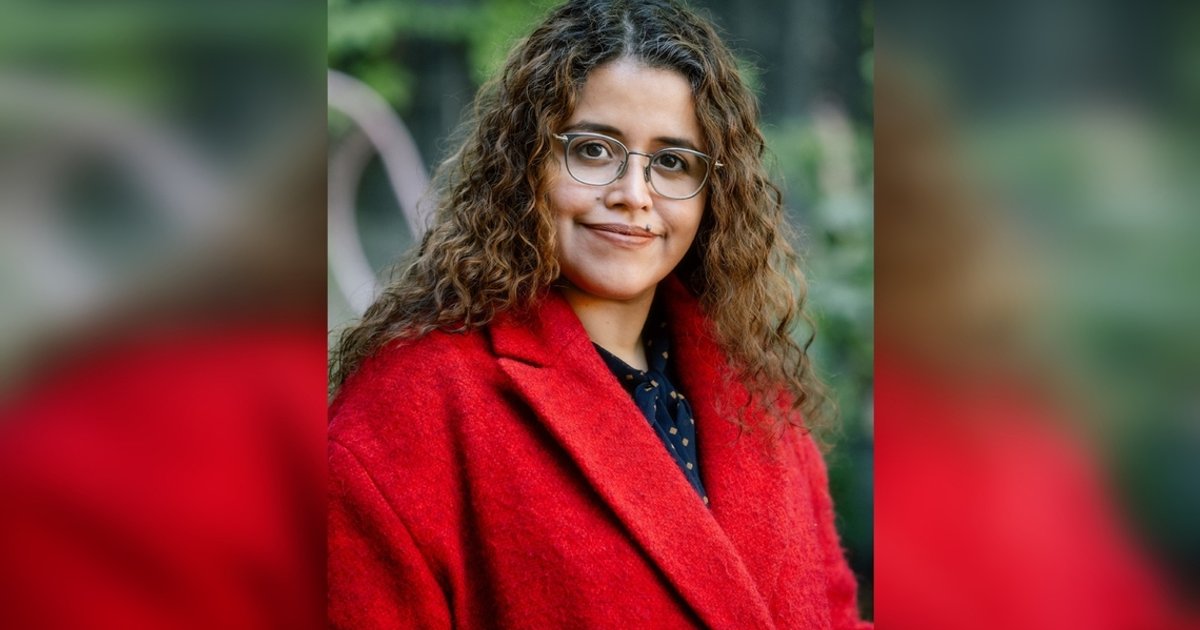
Technological panic within creative production invariably misidentifies its true point of rupture. Historical precedent suggests that the erosion of narrative sovereignty does not begin with algorithmic tools, but with long-standing commercial pressures that reward cultural standardization over local idiom. At the Singapore Writers Festival, Mexican-Canadian novelist Silvia Moreno-Garcia delivers a keynote address on Nov 21 titled Writing Between The Real And Unreal. Her intervention directly examines artificial intelligence and authenticity, advancing the analytical claim that contemporary distress over synthetic truth reflects an established historical continuity rather than a novel existential emergency.
Her argument grounds modern automation anxieties in earlier patterns of deceit. Drawing on her novel The Intrigue, set in 1940s Mexico and focused on a confidence artist defrauding lonely women, Moreno-Garcia suggests that human fabrication long preceded computational mimicry. In her assessment, the mechanics of exploitation rely not on technical sophistication, but on a consumer appetite for convenient fictions. Viewed through this lens, automated text generation operates as an industrial acceleration of pre-existing commercial habits, altering production velocity rather than the underlying impulse to fabricate.
The Mechanics of Editorial Assimilation
The policy implication for regional cultural sectors reaches far beyond software regulation. The deeper administrative discipline has long been exerted by metropolitan publishing gatekeepers that regulate non-Anglophone expression. In public commentary, Moreno-Garcia has contested standard editorial conventions by refusing to italicise Spanish vocabulary or provide explanatory footnotes for international distribution. Typographical demands of this nature function as linguistic border controls, requiring non-Western writers to perform their foreignness for external comfort. For authors operating outside dominant Anglo-American centers, compulsory translation operates as an institutional subordination masquerading as reader accessibility.
This structural friction applies directly across Southeast Asian literary production.
In regional nodes such as Singapore, where authors including Neon Yang and Ng Yi-Sheng manage global commercial circulation alongside vernacular cadences, the systemic expectation to dilute localized texture remains persistent. Literary gatherings that assemble international figures beside regional peers repeatedly illuminate this operational divide. When an author carrying British Fantasy, Locus, and World Fantasy Award recognition rejects typographical deference, the stance challenges the commercial terms governing international narrative trade.
Sovereignty in the Age of Automated Mimicry
Regional cultural strategists must evaluate what capability has actually shifted with generative models. The disruption stems not from unprecedented synthetic imagination, but from the industrialised assembly of derivative pastiche designed to satisfy established market conventions. Generative models inevitably reproduce the aggregated norms of the archives they ingest, generating frictionless facsimiles stripped of domestic idiosyncrasy. If metropolitan publishing structures already instruct regional writers to smooth away cultural dissonance, generative software merely automates that institutional momentum.
Protective subsidies and domestic copyright enforcement cannot neutralize that structural pull. The decisive constraint remains whether regional literary ecosystems can maintain sovereign syntactic autonomy against institutional pressures that have spent decades treating regional vernacular as an impediment to scale.
Sources
Newsletter
Pacific Daily
A curated briefing from Thailand, Asia-Pacific and the world.