Thailand's call for teenage parent support highlights broader family strains
The Sexualities Studies Association identifies gaps in welfare, healthcare, and law for young parents, echoing pressures on families across the region.
SINGAPORE
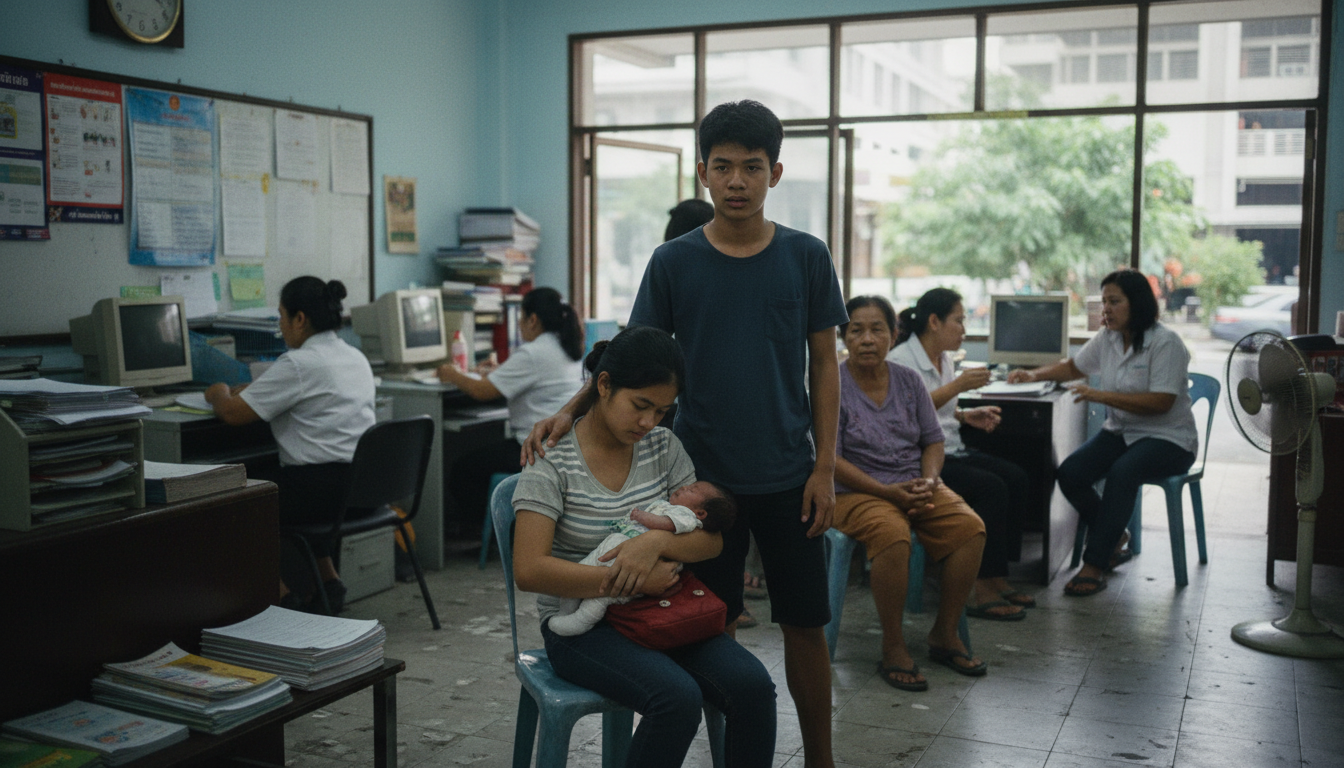
Thailand’s Sexualities Studies Association has called for a redesign of support systems for teenage parents. The association cites gaps in welfare, healthcare, and laws as critical issues. This concern follows a project aimed at improving social and health services for teen pregnancies in Bangkok, Nakhon Si Thammarat, Chiang Rai, Phayao, and Khon Kaen.
Teen pregnancy often involves complex challenges. These include mental health problems, family vulnerability, violence, stigma, and social pressure. Financial pressure can lead to parents leaving education, the association's president stated. She also noted these issues as part of the complex challenges.
This call for tailored support in Thailand arrives as families across the Asia-Pacific region face increasing pressures. In Singapore, National Day Rally support measures in August 2026 aimed to give parents more money and time. This included increasing childcare leave from 8 to 12 days annually for children aged 12 and below. Despite these efforts, workplace culture remains a challenge, according to a report from The Straits Times. Parents in Singapore also seek less pressure over maternity leave and more opportunities for joy. A South China Morning Post editorial in June 2026 highlighted mother-daughter deaths, noting that vulnerable city residents need better support.
The emphasis on welfare, healthcare, and legal frameworks for young parents in Thailand underscores how public systems must adapt to evolving family structures and economic realities. Families face pressures not only from raising children but also from caring for aging relatives. More than half of Americans in their 40s are simultaneously supporting an aging parent and their own children, as reported by the Pew Research Center in August 2026. This “sandwich generation” dynamic, while documented for the U.S., suggests a global pattern of increased familial responsibility, impacting household budgets and individual choices.
The Thai proposal to redesign support systems points to a recognition that existing frameworks may not adequately address the full scope of challenges faced by young parents. This could involve, for example, specific educational programs allowing young parents to continue studies or dedicated mental health services for new parents. The effectiveness of any redesigned system will depend on its ability to integrate welfare, healthcare, and legal protections into a cohesive whole, preventing young parents from falling through systemic cracks. The implementation of such a system might require reallocating resources or establishing new public services, placing demands on national budgets. The outcome will depend on the government’s response to the association's detailed concerns.
Sources
Newsletter
Pacific Daily
A curated briefing from Thailand, Asia-Pacific and the world.