Thailand’s October 13 Memorial Day: A Decade of King Bhumibol’s Enduring Legacy
Ten years after the passing of King Bhumibol Adulyadej, Thailand’s annual day of remembrance invites a deeper reflection on national identity, development and the responsibilities inherited by future generations.
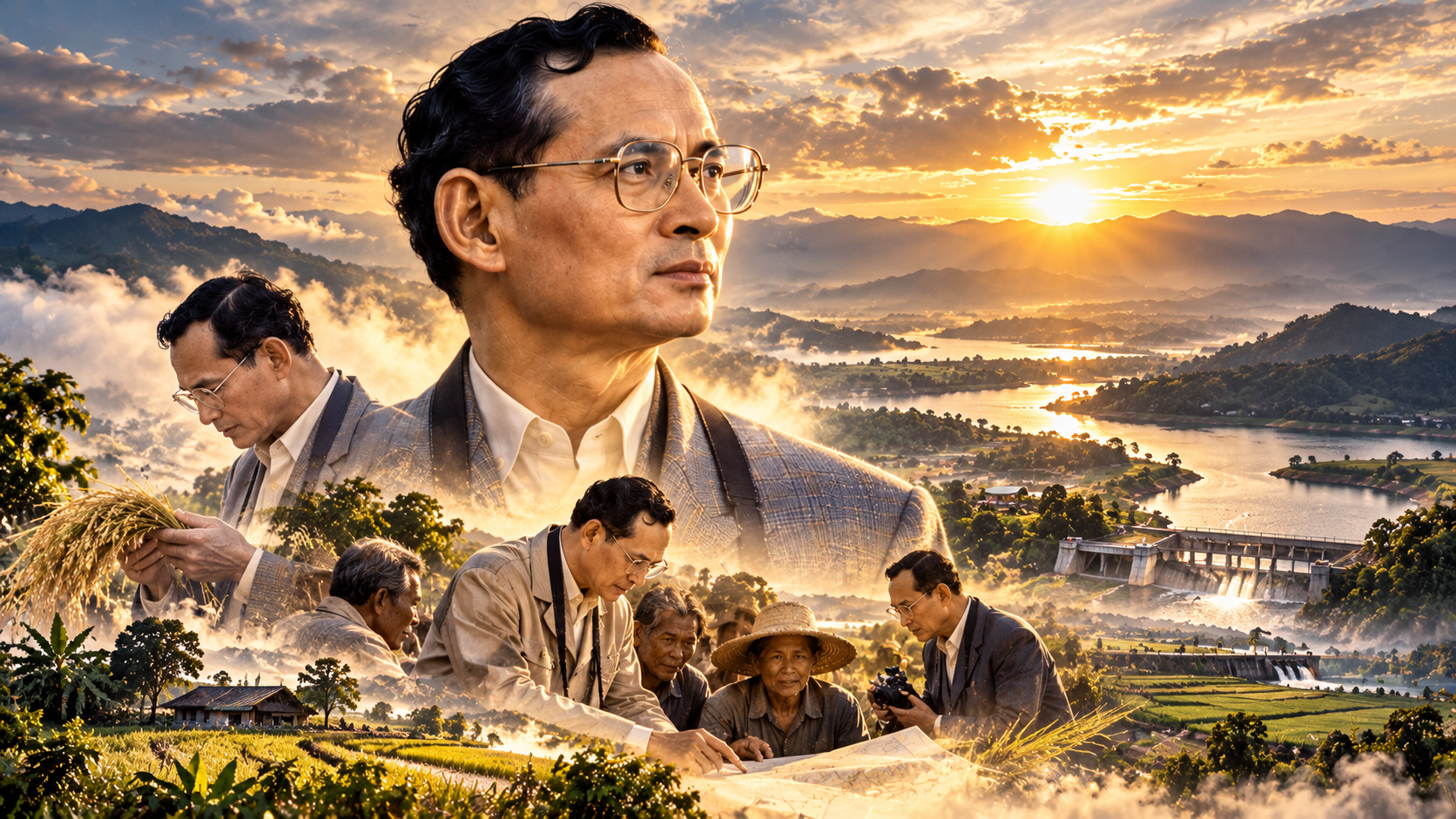
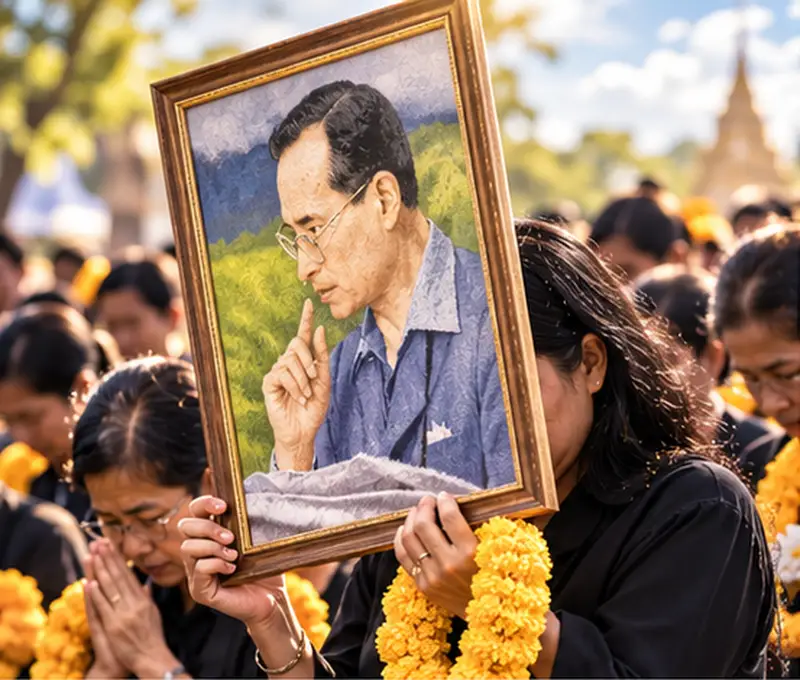
BANGKOK, THAILAND — On October 13, 2026, Thailand will observe the tenth anniversary of the passing of His Majesty King Bhumibol Adulyadej the Great, a monarch whose seven-decade reign helped shape the country’s modern history and national consciousness.
Officially known in Thai as Wan Nawamindra Maharaj (วันนวมินทรมหาราช), the occasion is both a national memorial day and a public holiday. Yet its significance extends beyond the annual calendar.
For many Thais, October 13 represents an opportunity to reflect on a period of profound social and economic transformation, during which royal development initiatives became closely associated with rural livelihoods, environmental management and the relationship between national institutions and local communities.
A Decade of Remembrance
King Bhumibol, also known as Rama IX, passed away on October 13, 2016, following a reign that began in 1946.
His death marked the end of an era for generations of Thai citizens who had known no other monarch throughout much of their lives.
In 2017, the Thai government designated October 13 as an annual public holiday. Six years later, the day received its formal commemorative name, Nawamindra Maharaj Day, meaning a day of remembrance for the great ninth monarch.
The name reflects a deliberate effort to preserve historical memory through an officially recognised national observance.
As Thailand enters the second decade since King Bhumibol’s passing, the anniversary also creates space for considering how his ideas continue to influence public policy, education and approaches to sustainable development.
A Legacy Rooted in Everyday Life
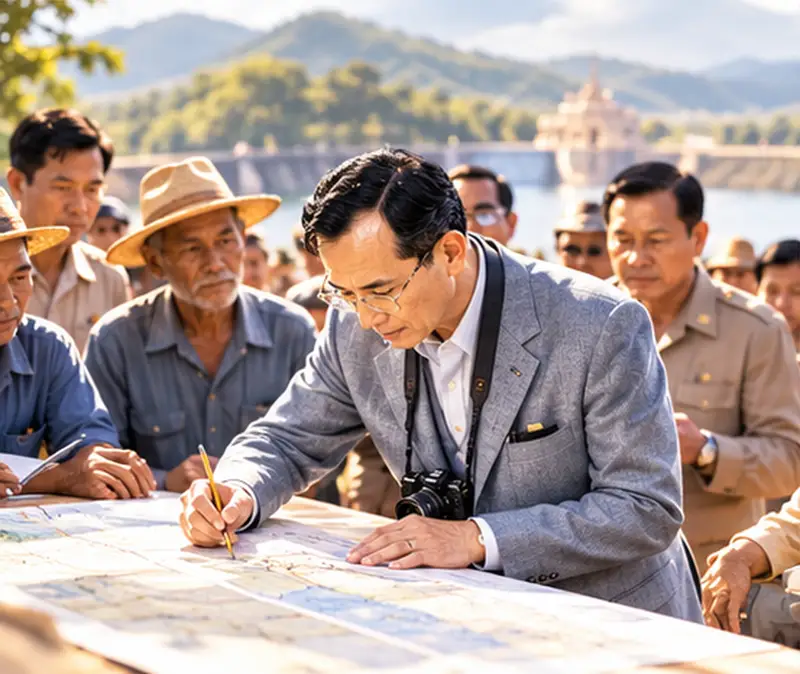
One of the most enduring dimensions of King Bhumibol’s reign was his association with development projects addressing the practical challenges facing communities across Thailand.
Agricultural productivity, irrigation, water conservation, flood management and rural livelihoods featured prominently in these initiatives.
Rather than treating development solely as a question of economic expansion, many projects sought to address the specific environmental and social conditions of individual communities.
This approach attracted international recognition.
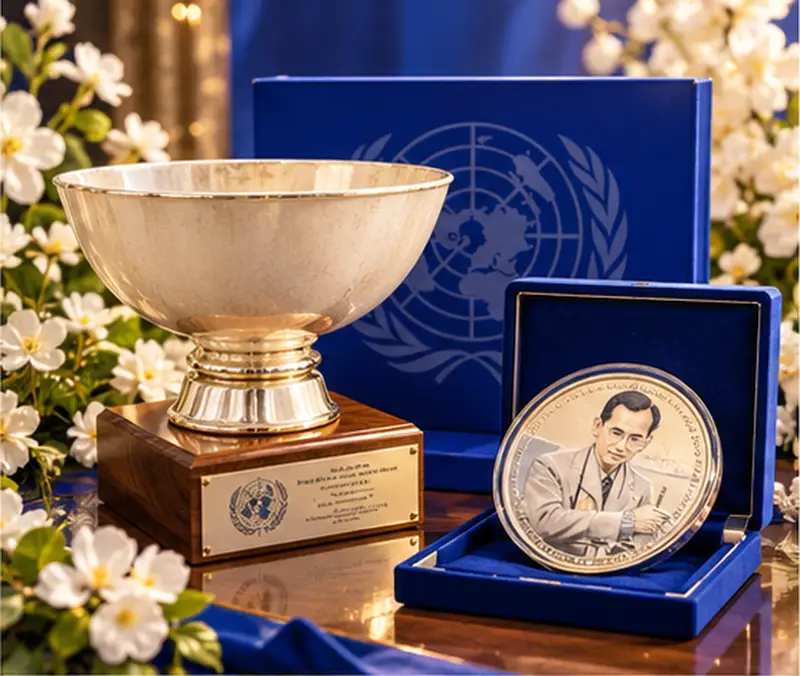
In 2006, United Nations Secretary-General Kofi Annan presented King Bhumibol with the United Nations Development Programme’s inaugural Human Development Lifetime Achievement Award.
The recognition acknowledged his contribution to rural development, sustainable resource management and efforts to improve living conditions.
The award also highlighted a concept that remains closely associated with his legacy: the Philosophy of Sufficiency Economy.
The Continuing Relevance of Sufficiency Economy
Sufficiency Economy is frequently misunderstood as a philosophy of austerity or an argument against economic ambition.
Its underlying principles are more nuanced.
The framework emphasises moderation, reasoned decision-making and resilience against external shocks, supported by knowledge and ethical conduct.
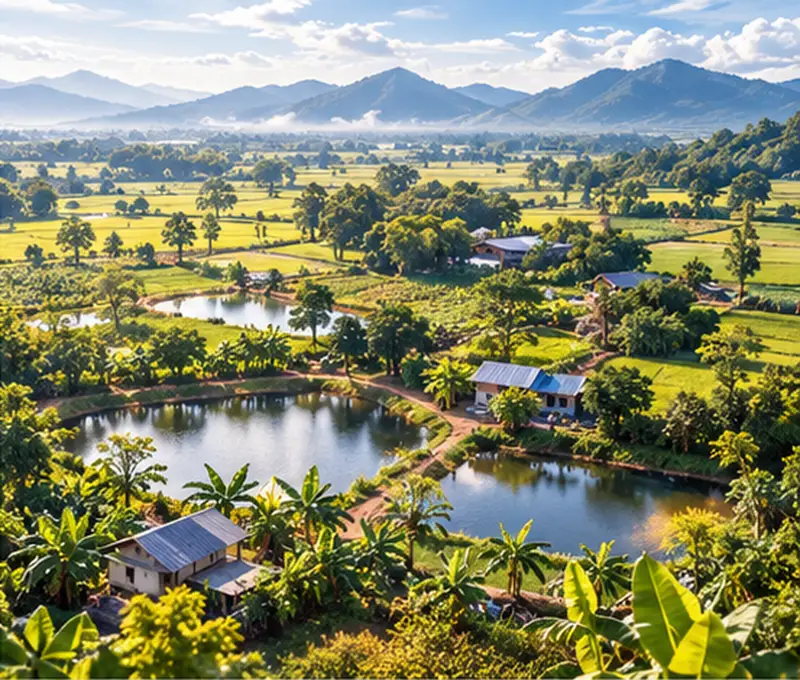
These principles became particularly prominent following the Asian financial crisis of 1997, when Thailand confronted the vulnerabilities created by rapid expansion, financial instability and excessive exposure to economic risk.
Nearly three decades later, the philosophy remains relevant to broader discussions about household debt, environmental sustainability, economic resilience and responsible growth.
Its contemporary significance does not depend on rejecting modernisation. Rather, it invites a question that remains important for policymakers and ordinary households alike: how can economic progress be sustained without exposing communities to risks they are poorly equipped to withstand?
From Royal Development to National Memory
Across Thailand, remembrance activities traditionally include merit-making ceremonies, wreath-laying and exhibitions highlighting the late monarch’s life and development initiatives.
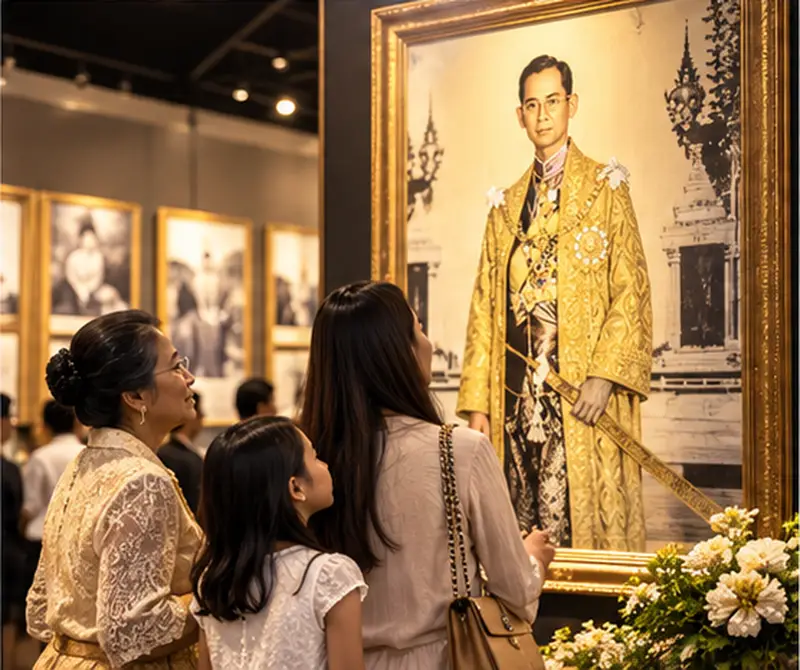
Public institutions and communities may observe the occasion in different ways, reflecting both national traditions and local circumstances.
The anniversary also has a practical dimension. Tuesday, October 13, 2026, is an official public holiday, with government offices and financial institutions generally closed under their respective holiday schedules. Private-sector arrangements may differ.
For international visitors and residents, understanding the date offers an introduction to an important aspect of Thailand’s contemporary cultural identity.
Yet the deeper meaning of October 13 lies beyond formal observances.
The Question of Legacy
A decade is long enough for historical memory to begin changing its form.
For older generations, the anniversary may evoke personal experiences of a reign spanning much of their lives. For younger Thais, King Bhumibol’s influence may increasingly be encountered through education, public institutions, development projects and family recollections.
That generational transition presents an enduring challenge: preserving historical understanding while ensuring that inherited ideas remain open to examination, interpretation and practical application.

The lasting value of a national legacy is measured not only by the extent to which it is remembered, but also by the relevance it retains in contemporary society.
On October 13, Thailand will once again look toward its past. The more consequential question is how the lessons associated with that past can inform the country’s future.
Ten years after King Bhumibol’s passing, that conversation remains unfinished.
Newsletter
Pacific Daily
A curated briefing from Thailand, Asia-Pacific and the world.