Yoga Courses Proliferate in Thailand Amid Broader Economic Strains
While Thailand offers an expanding array of yoga teacher training programs, underlying economic challenges persist for its citizens and overall development.
SINGAPORE
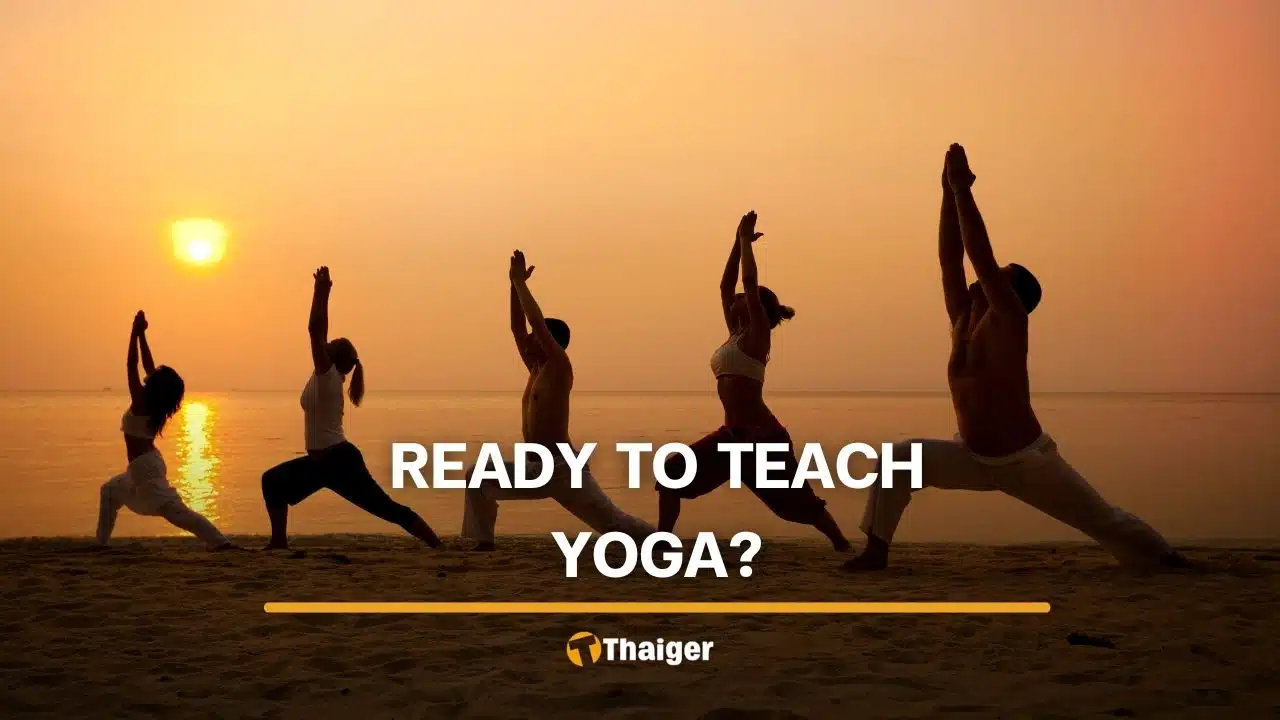
Thailand’s reputation as a destination for wellness and spiritual pursuits continues to evolve. The country now hosts a wide selection of yoga teacher training courses, with dozens of 200-hour programs available across locations like Phuket, Koh Phangan, Koh Samui, and Chiang Mai. For instance, specific programs such as All Yoga Training in Phuket, One Yoga in Koh Phangan, and Vikasa in Koh Samui are identified as strong starting points for aspiring instructors.
This proliferation of training options, highlighted in a recent guide, reflects a steady demand for such services. The guide notes the availability of seven prominent courses for 2026/2027, evaluating them on curriculum, teaching format, class size, and location. All Yoga Training is singled out as an overall pick, particularly for its focus on dynamic practice and teaching methodology. Such an environment suggests a thriving segment of the tourism economy.
However, this specialized tourism growth occurs against a backdrop of broader economic pressures. The IMF noted Thailand’s household debt trap in 2026, a challenge that tests the nation's growth ambitions. While international visitors seek personal development through yoga, many Thai households grapple with financial burdens. This divergence points to a segmented economic reality, where niche tourism markets flourish alongside everyday struggles.
The country's decades-long tourism push has also led to consequences for local populations, an issue highlighted by The Japan Times in 2026. This suggests that the benefits of tourism, even in specialized sectors like yoga and wellness, may not be evenly distributed or without cost to the local populace. The presence of numerous yoga schools, often catering to international clientele, might exacerbate disparities if local communities do not sufficiently participate in or benefit from this industry.
Furthermore, the political landscape adds another layer of complexity. A Thai protest leader, who had previously seized Bangkok airport, was reported to be back in action by The Japan Times in 2026. Such political activity, even if unrelated to the tourism sector directly, can create an environment of uncertainty. The focus on expanding yoga training options might overshadow the more fundamental economic and social issues that affect the daily lives of many in Thailand. The UNESCO Director-General joined an Asia-Pacific youth dialogue on the future of education and learning in 2026, indicating broader regional concerns about development and human capital.
The expansion of yoga teacher training in Thailand represents a specific form of economic activity, attracting individuals seeking specialized skills. It points to a continuation of Thailand's role as a global wellness hub. Yet, the persistent issues of household debt and the social impact of extensive tourism suggest that this growth in niche markets does not inherently resolve the country's wider economic and social challenges. The tension remains between a thriving international service industry and the domestic realities faced by its citizens.
Sources
Newsletter
Pacific Daily
A curated briefing from Thailand, Asia-Pacific and the world.