MMA's Asian Games Entry: A Commercial Calculation for Singapore
Tiffany Teo's medal guarantees a new conversation, but profitability, not patriotism, will drive the sport's regional growth.
SINGAPORE
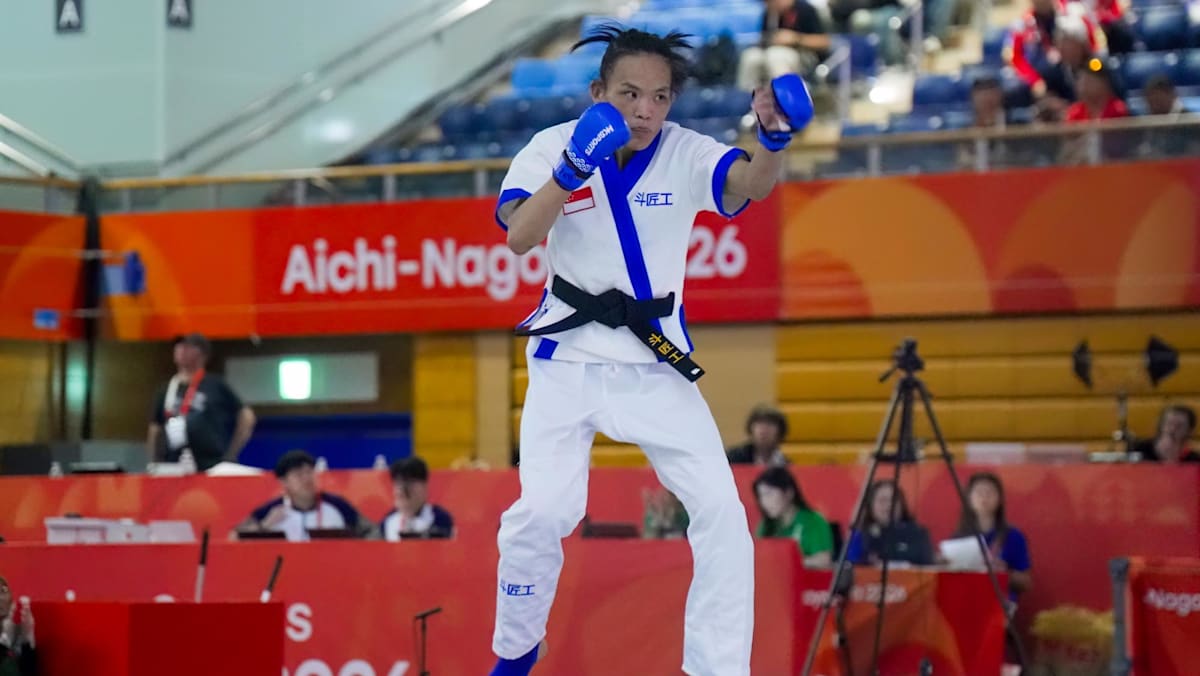
Tiffany Teo's guaranteed bronze medal in the women's traditional 60kg MMA semi-finals at the 20th Asian Games marks a notable first for Singapore. This achievement, reported on September 20, 2026, positions mixed martial arts as a sport delivering tangible results for the nation on a significant regional stage. The immediate implication is a boost in visibility for MMA, a sector that has long operated on the fringes of mainstream sporting recognition in many Asia-Pacific markets.
However, the commercial implications for Singapore and wider Asia-Pacific remain the primary focus. While a medal generates national pride, the long-term viability of MMA as a significant economic contributor hinges on its ability to attract sustained investment and audience engagement. The question for market realists is not simply whether Singapore produces more medalists, but at what occupancy rate training facilities operate, and who ultimately underwrites the infrastructure necessary for competitive growth.
Singapore has positioned itself as a hub for various emerging sectors, from AI giants establishing presences (South China Morning Post, 2026-09-20) to cryptocurrency firms seeking to acquire exchanges (reuters.com, 2026-07-30). This pattern suggests a strategic national interest in fostering high-growth, high-profile industries. MMA's inclusion in the Asian Games aligns with this broader economic strategy, offering a new avenue for branding and talent development within the sports and entertainment complex.
Yet, the martial arts ecosystem is not without its challenges. The closure of Juggernaut Fight Club, a local martial arts gym, after 15 years in February 2026 (The Straits Times, 2026-02-09), illustrates the inherent precarity of the business model. Even established operations struggle with the economics of maintaining facilities and attracting a consistent client base. Such closures highlight the gap between sporting ambition and operational reality. A single medal, while significant for national prestige, does not inherently solve the underlying financial pressures faced by gyms and training centers.
For regions with established martial arts traditions, Singapore's MMA success offers a different perspective. These regions often possess robust martial arts infrastructure and a culture that values combat sports. The entry of MMA into the Asian Games legitimizes a hybrid form that could attract new audiences and investment. This could potentially redefine market expectations in these areas, perhaps requiring adaptation from existing institutions to remain competitive or relevant within a broader commercialized combat sports landscape.
Ultimately, the path forward for MMA in the Asia-Pacific will be dictated by economic incentives. Will the increased visibility from events like the Asian Games translate into sustainable sponsorship, media rights, and participant growth? Or will it remain a niche sport, reliant on public sector support and the passion of a dedicated few? Tiffany Teo's medal provides a signal, but the long-term outlook depends on the willingness of private capital to invest in a sport where returns are not yet consistently proven, and the overheads for training and event management remain high. The challenge for Singapore and the region is to turn athletic achievement into a profitable, self-sustaining industry.
Sources
Newsletter
Pacific Daily
A curated briefing from Thailand, Asia-Pacific and the world.