A New Silk Road of Capital: Hong Kong’s Wealth Lure Reshapes Asia
The city’s strategic play for family wealth management signals a broader shift in regional capital flow, with implications for nations like Thailand.
HONG KONG
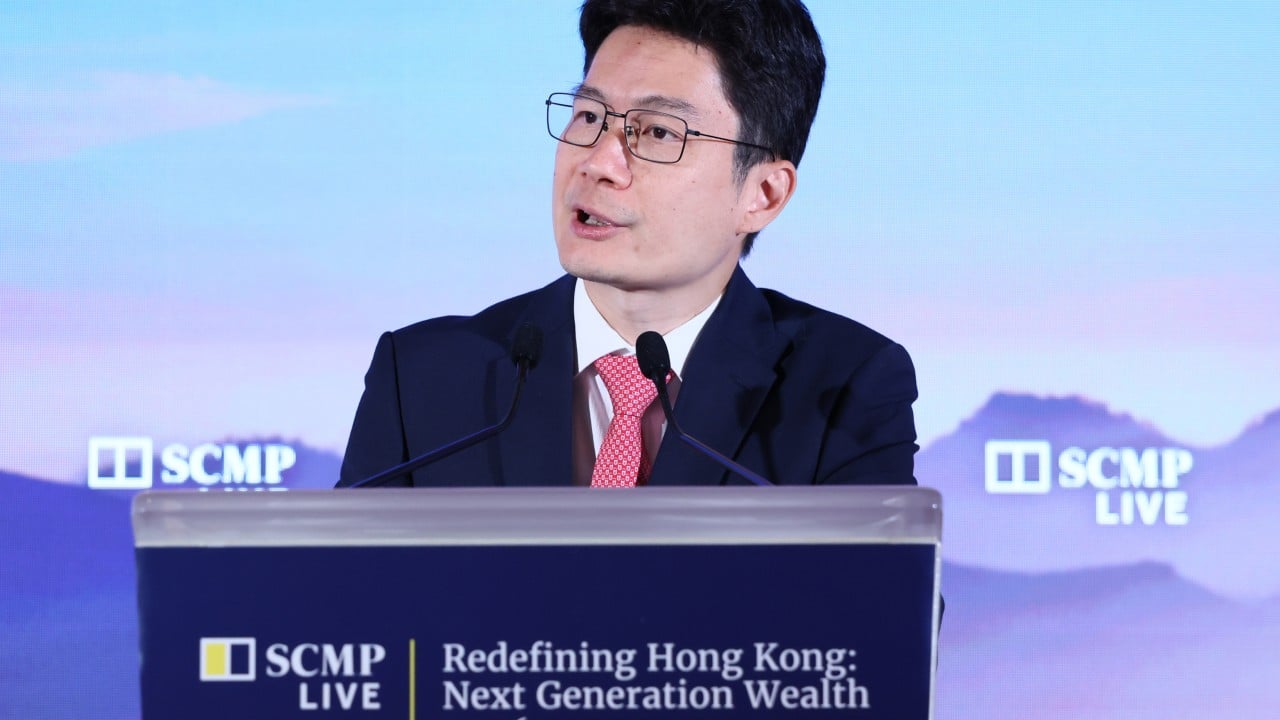
A city’s landscape often reveals its deepest aspirations. In Hong Kong, amid the towering financial districts, a new kind of architecture is being erected: the intricate frameworks designed to manage the generational transfer of wealth. Undersecretary for Financial Services and the Treasury Joseph Chan Ho-lim, speaking in late September 2026 at the South China Morning Post’s Redefining Hong Kong: Next Generation Wealth Conference, highlighted what he described as the city’s “unique structural advantages” in attracting this capital. This isn't just about financial services; it’s about the very currents that will shape economic destinies across Asia-Pacific.
Hong Kong is strengthening its position as Asia’s hub for family business succession and cross-border capital allocation. This effort comes as wealthy families navigate economic uncertainty and the complex process of passing on significant assets. The arrival of entities like AXA Global Private in Hong Kong in July 2026 further underscores this drive. The city positions itself as the primary conduit for capital, particularly from family offices, which are increasingly reinventing themselves and deploying capital into new sectors and markets across the region. This movement extends beyond traditional private banking, seeking to cultivate living legacies rather than just facilitate transfers.
Yet, this intensified focus on Hong Kong as a wealth management nexus presents a distinct challenge and opportunity for other regional players. While Hong Kong leverages its established infrastructure and regulatory environment, other nations are also vying for a share of this burgeoning wealth. India’s wealth management industry, for example, has been described as entering its “defining decade” by Forbes India in March 2026, indicating a growing internal capacity. This suggests that the flow of capital might not be unidirectional towards Hong Kong but rather a more complex web, with different regional centers developing specialized attractions for family capital. The sheer scale of wealth in transition across Asia means that while Hong Kong aims for a dominant role, other countries will inevitably seek to retain or attract a portion of it for their own development.
For Thailand, a country with its own deep-seated family businesses and growing entrepreneurial class, the implications are considerable. If Hong Kong successfully consolidates its position, it could mean that a significant portion of Thai family wealth, particularly that seeking international diversification or sophisticated succession planning, might increasingly flow through Hong Kong. This is not merely about where money is parked, but where decisions are made, where capital is deployed into new ventures, and where the next generation of Asian leaders is advised. The question becomes whether Thailand's existing financial and legal infrastructure is robust enough, or attractive enough, to compete with Hong Kong's proposition for retaining or attracting a share of this transitioning wealth domestically. The city’s unique advantages, as described by Undersecretary Chan, prompt a careful consideration of how such capital movements could influence regional investment patterns and economic landscapes, reaching into the very fabric of national development and entrepreneurial spirit, far beyond the concrete towers of finance.
What Hong Kong asks of these arriving fortunes is a commitment to a particular financial architecture, one that promises stability and global access. What it offers in return is a platform for continuity and growth across generations. For the broader Asia-Pacific, this pivot of capital towards Hong Kong will reshape financial routes, asking nations like Thailand to consider their own offerings in this new, competitive environment for wealth.
Sources
Newsletter
Pacific Daily
A curated briefing from Thailand, Asia-Pacific and the world.