Hong Kong's Spin-Off Market: Capital Influx, Regional Strain
Hisense's unit Ligent Technologies made a strong debut in Hong Kong, part of a trend for mainland Chinese companies to seek overseas capital. This signals opportunities for Hisense, but poses a challenge for other Asia-Pacific economies.
HONG KONG
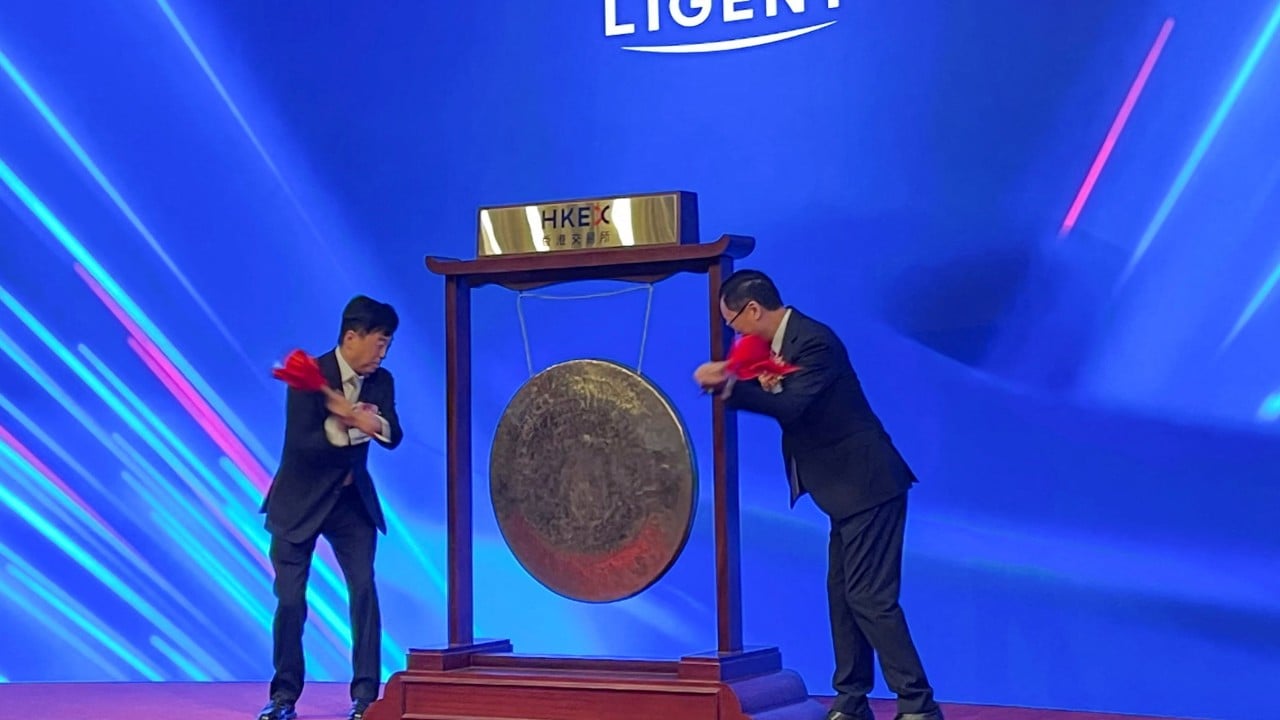
The strong market debut of Ligent Technologies, the optical communications unit of Hisense Group Holdings, in Hong Kong reflects a clear trend: mainland Chinese conglomerates are increasingly spinning off business units. Ligent, based in Qingdao, raised HK$5.6 billion (US$714 million) and saw its shares jump 19.2 per cent on Tuesday morning. This performance valued the company at more than HK$35 billion, with Hisense retaining a 40.1 per cent stake after the initial public offering.
This movement occurs as Hong Kong works to streamline spin-off requirements, creating a more accessible pathway for these mainland companies. For Hisense, a television maker, this public market entry for its optical communications arm facilitates technology expansion. The broader strategy of Hisense includes significant global marketing; Chinese brands collectively spent US$1.4 billion on World Cup ads and sponsorships in 2022.
Mainland Chinese firms seek overseas capital to fund growth and technology development, potentially circumventing domestic market constraints or diversifying their financial base. For Hong Kong, this trend reinforces its role as a financial gateway, attracting listings and bolstering market capitalization. This dynamic provides capital for the companies and investment opportunities for regional and international investors.
However, the implications for the wider Asia-Pacific, including economies like Thailand, are complex. While increased capital flow into regional markets is generally positive, the underlying conditions driving these spin-offs warrant scrutiny. The focus on technology expansion by Chinese firms, enabled by overseas capital, intensifies competition across various sectors. For instance, the optical communications market, already facing logistics challenges for 'Made in China' products, could see accelerated innovation but also increased price pressure. Local players in markets like Thailand must contend with better-funded and technologically advanced competitors.
Hisense's retention of a 40.1 per cent stake in Ligent indicates that strategic direction largely remains within the parent group. The question remains: who benefits most from this arrangement? For mainland Chinese firms, it provides critical funding. For Hong Kong, it supports its market. For countries like Thailand, the outcome depends on their ability to compete with an increasingly capital-rich and technologically driven set of regional players. The unresolved constraint lies in how domestic industry in other Asia-Pacific nations can respond to this intensified, externally-funded competition.
Sources
Newsletter
Pacific Daily
A curated briefing from Thailand, Asia-Pacific and the world.