Asia-Pacific Retailers Adjust to New Container Return Scheme as Transition Ends
The conclusion of a six-month grace period for beverage container returns highlights inventory management challenges and the economic impact on retailers.
SINGAPORE
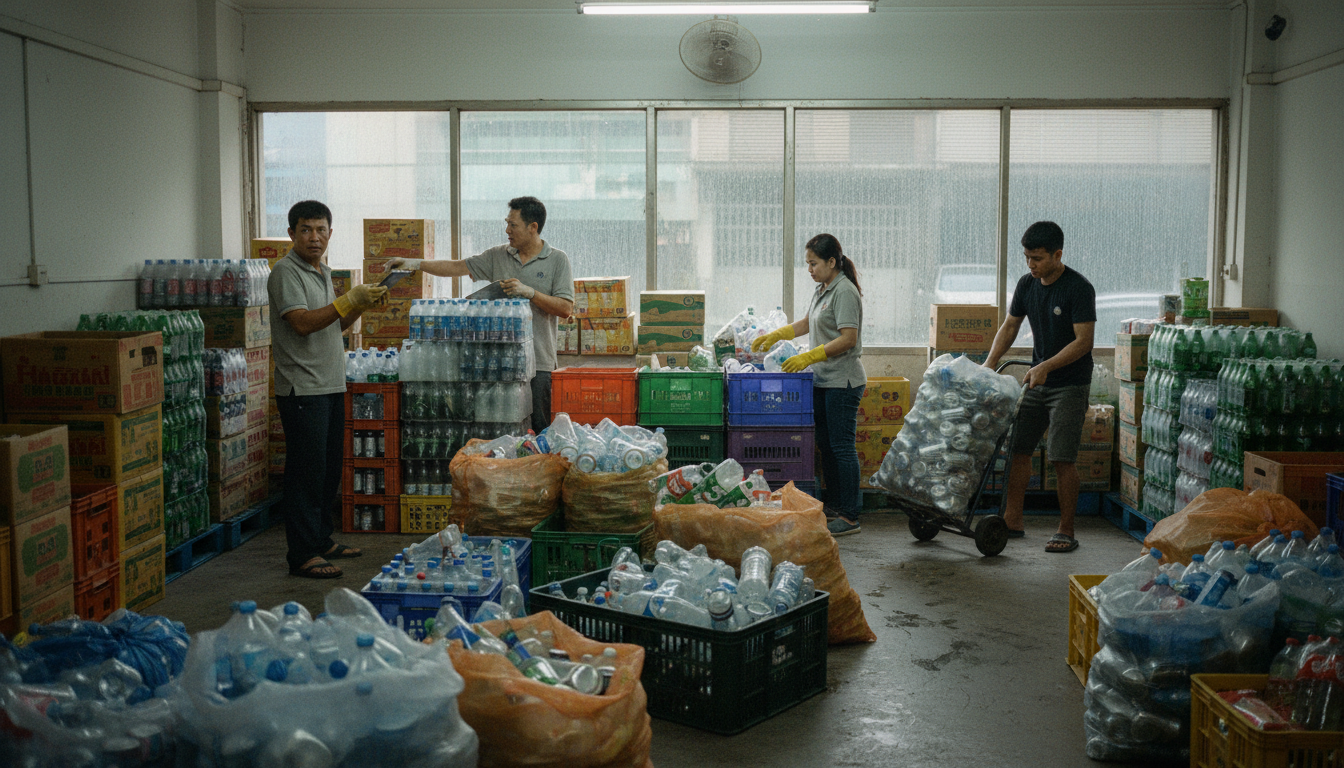
The six-month transition period for a beverage container return scheme has concluded, exposing operational friction for some Asia-Pacific retailers. Despite a six-month lead time, some retailers report struggling to clear non-compliant products, even with steep discounts. This situation underscores the direct financial and logistical pressure on the retail sector.
The regulatory shift mandates a 10-cent deposit on eligible drinks, requiring retailers to label or remove unmarked stock. Tian Ma Group has responded by placing signs at its retail stores to inform customers of the new deposit. While seemingly a compliance issue, the experience of struggling to offload stock suggests a broader challenge in forecasting and inventory recalibration within the fast-moving consumer goods segment. The Asia-Pacific region is anticipated to lead global retail sales, and Hong Kong and mainland China are spurring a surge in commercial property deals, indicating a dynamic but also competitive retail environment. Market activity, as observed in February 2026, showed Asia markets mostly rising, shrugging off weak U.S. retail sales, which points to a regional resilience that nonetheless must absorb new operational costs.
A counterpoint exists. The very existence of a six-month transition period provided a clear regulatory horizon. Businesses, especially those operating in high-volume retail, often integrate such policy changes into their supply chain and pricing models. The reported struggles might reflect a lack of proactive adaptation or a misjudgment of consumer response to discounted non-compliant goods, rather than an insurmountable systemic hurdle for all retailers. The scheme aims to embed a circular economy principle, which over time could generate new efficiencies or even competitive advantages for early adopters. The immediate financial strain from unsold inventory, however, is a tangible cost, particularly for smaller enterprises with less flexibility in their supply chains or capital to absorb losses.
Beyond individual sales, the impact extends. For a region where consumer spending and retail confidence are critical drivers, any policy that affects product turnover has wider implications. The effectiveness of the scheme in achieving its environmental goals will depend on both consumer participation in returning containers and the continued compliance and adaptation of the retail infrastructure. The present moment illustrates the immediate economic consequences of compliance deadlines in a vital sector, demonstrating how policy implementation directly translates into inventory liabilities and operational adjustments for businesses across the Asia-Pacific market. The future success of this scheme, therefore, depends on the long-term balancing act between environmental objectives and retail sector viability.
Sources
Newsletter
Pacific Daily
A curated briefing from Thailand, Asia-Pacific and the world.