The enduring appeal of the mall in a shifting Asia-Pacific
Hong Kong's retail strategy for sporting events may illuminate broader trends, even as consumption habits evolve across the region.
SINGAPORE
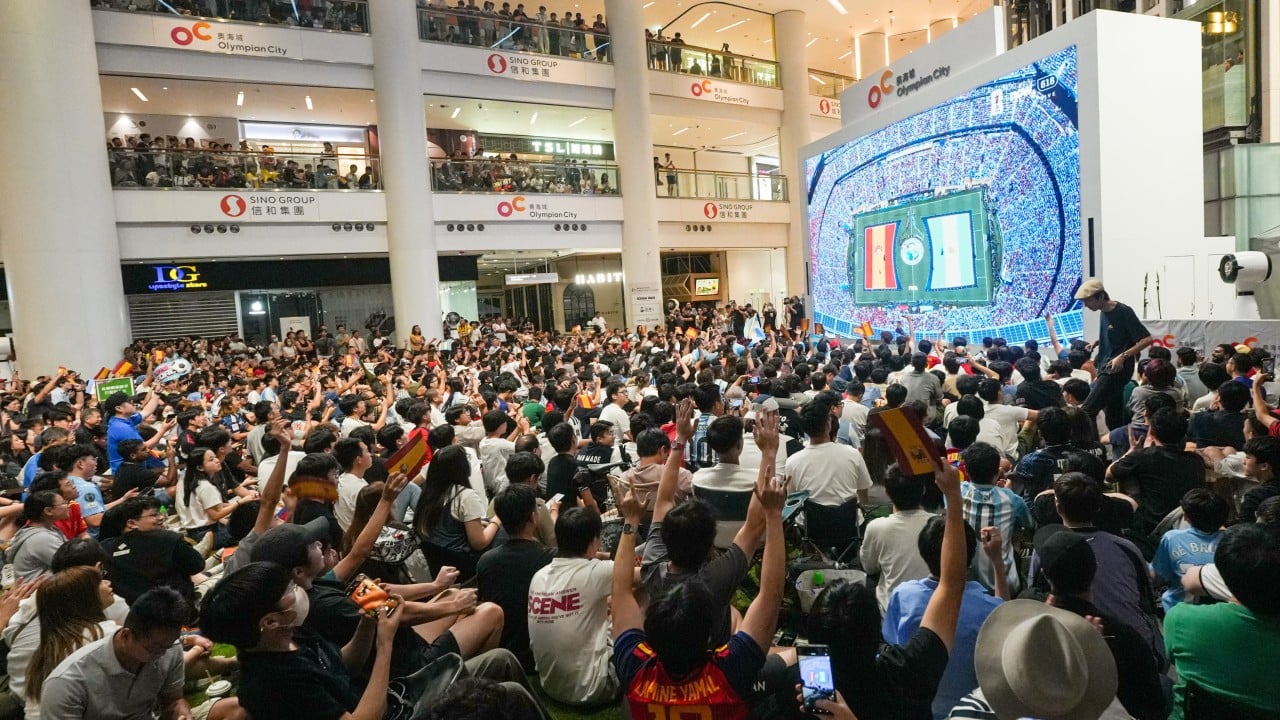
The interior of a Hong Kong shopping mall, during a major sporting event, presents a specific tableau. Screens are positioned throughout, broadcasting a game, while shoppers navigate between displays. This scene, reported by SCMP Travel on September 17, 2026, details how Hong Kong mall operators are leveraging events like the Asian Games, and previously the Fifa World Cup, to attract visitors. Sino Group, for instance, anticipates an increase in foot traffic across four of its malls during its Asian Games campaign, with certain merchants projected to see double-digit year-on-year sales growth.
This approach to commerce reflects a deeper observation: the shopping mall, even in an era of digital and cross-border consumption, remains a persistent feature of the Asia-Pacific urban landscape. While retailers contend with competition from Shenzhen, overseas shopping, and online spending, the physical mall adapts. Its adaptation includes integrating experiences that transcend pure transaction, transforming into a space for communal engagement, often centered around cultural or sporting events. The reported strategy in Hong Kong extends beyond mere tournament broadcasts, aiming to create a comprehensive experience.
Yet, this strategy also exists within a complex environment. The reliance on events to drive foot traffic suggests an acknowledgment of the forces drawing consumers away from traditional retail. Hong Kong's first five-year plan, as reported by Reuters on September 16, 2026, aims to create jobs and homes, indicating broader economic considerations that influence consumer spending patterns. Furthermore, experts suggest that major redevelopments in prominent urban centers could compel hotels to differentiate themselves and potentially boost footfall at adjacent malls. This points to a regional understanding that integrated urban planning and diverse attractions are key to commercial vitality.
For destinations like Thailand, the Hong Kong experience offers a relevant lens. Thailand's own malls, particularly in Bangkok and other major cities, have long served as more than just shopping centers. They are social hubs, climate-controlled escapes, and entertainment venues. The lesson from Hong Kong is not merely about broadcasting a game, but about understanding the seasonal rhythm of public attention and weaving it into the commercial fabric. The question is how effectively these spaces can continue to evolve their offerings beyond pure retail, integrating local cultural specificities and responding to consumer expectations that are increasingly shaped by global trends and digital convenience.
Consider the historical context: the mall emerged as a central gathering point in many Asian cities, evolving from traditional markets to air-conditioned behemoths. Its survival against new consumption patterns hinges on its ability to offer something beyond the transactional. The Asia-Pacific region is characterized by diverse consumer behaviors, and what works in Hong Kong might require adaptation elsewhere. However, the fundamental premise — that a physical space can draw people by offering a shared experience, particularly a celebrated one like a major sporting event — holds regional currency. The long-term viability of these retail behemoths may depend less on the items they sell and more on the collective experiences they cultivate. This is a pattern that interrupts the narrative of online displacement, suggesting the enduring human desire for shared space and public spectacle. The enduring appeal of the mall in the Asia-Pacific, therefore, is not its static form, but its capacity for reinvention as a site of collective experience.
Sources
Newsletter
Pacific Daily
A curated briefing from Thailand, Asia-Pacific and the world.