When machines learn the world, what shifts first?
Hygon's new chip moves beyond data centers, suggesting a subtle but profound change in how technology integrates into daily life across Asia-Pacific cities.
SINGAPORE
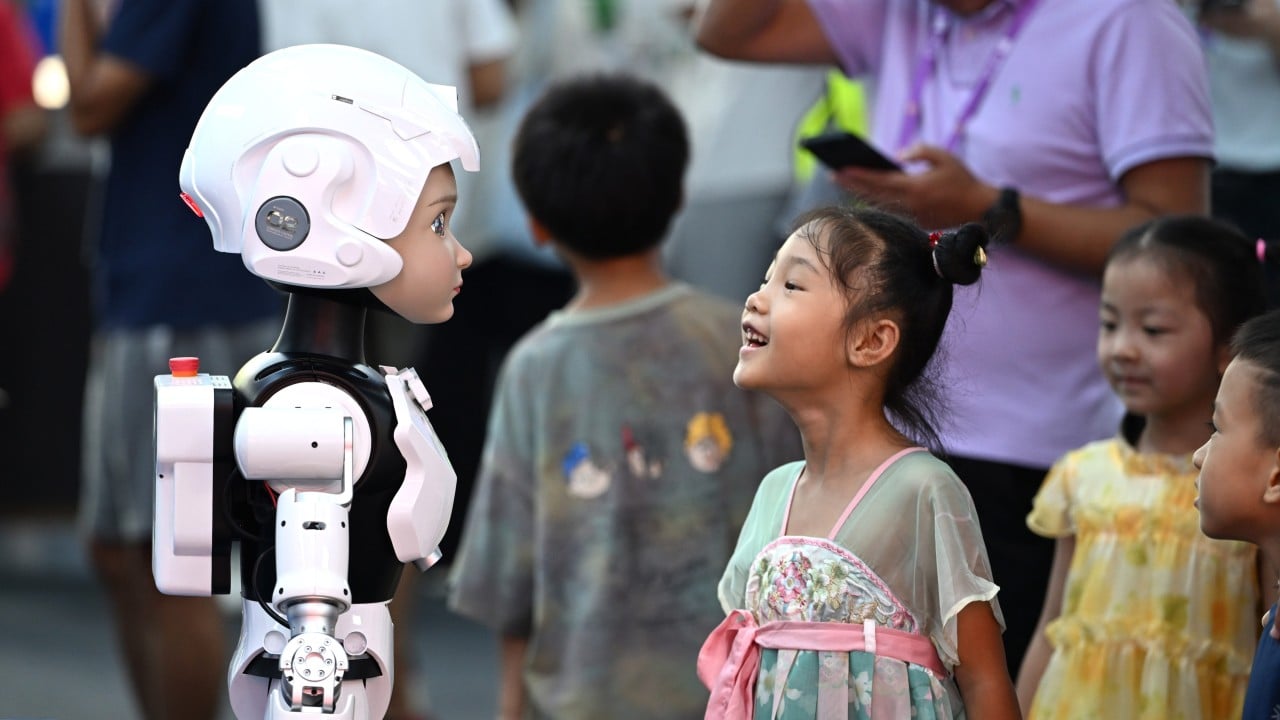
The subtle whirring of an industrial arm, the precise grip of a robotic hand in a logistics hub, or the nascent steps of an automated cleaning device in a Bangkok mall. These are the unsung interactions that quietly shape urban rhythms. A new development, attributed to Chinese chipmaker Hygon Information Technology, suggests these quiet shifts are poised for an acceleration. On Tuesday, Hygon, previously focused on the unseen infrastructure of data centers, is slated to release a chip designed for physical-world applications, specifically targeting robotics, machine vision, and intelligent manufacturing.
This move, reported by SCMP Travel on 2026-09-21, signals a change beyond mere technological advancement. Hygon's new chip, described as an iteration of its CPU1000 series, is designed for “low-power, embedded and edge computing requirements.” This technical detail points to a future where artificial intelligence is not merely a cloud-based abstraction but an embedded presence within the physical objects and spaces around us. It is about machines that interact directly with their environments, processing information on-site, rather than deferring every decision to a distant server. The question is not just how fast these machines will move, but how quickly their presence will alter our own habits and perceptions of the urban landscape.
The implications for a region like Asia-Pacific are specific. Countries such as Thailand, with their robust manufacturing bases and rapidly urbanizing populations, present fertile ground for the integration of such technologies. Intelligent manufacturing can optimize supply chains and increase production efficiency, while advanced robotics could redefine roles in sectors from hospitality to healthcare. The quiet mechanics of a warehouse or a factory floor could be remade by systems running on chips like Hygon's. This is not about the grand, futuristic visions often presented in tech magazines, but about the incremental, everyday incorporation of intelligent machines into existing structures.
However, the path is not without its intricate challenges. A report from The Japan Times on 2026-09-19, noting flawed AI-linked intelligence almost leading the U.S. to board a Chinese ship, highlights a foundational tension: the reliability and interpretability of AI systems, especially when they inform critical actions. While this incident concerns geopolitical intelligence, it underscores a broader concern about the trust placed in AI's discernment. For physical-world applications, where machines directly impact human safety and daily operations, the precision of their decision-making is paramount. Furthermore, Huawei says AI chip demand outstrips supply, according to Reuters, suggesting that ambitious expansion plans will confront real-world supply constraints.
The economic currents are complex too. Nikkei Asia observed that “AI giveth and taketh away,” acknowledging both the opportunities and the disruptive potential of this technology on employment and existing industries. S&P suggested chip foundries are better shielded in an AI slowdown than other Asia-Pacific tech peers, according to the South China Morning Post. This indicates that while the foundational hardware may be robust, the broader ecosystem around AI integration remains susceptible to market fluctuations.
The quiet hum of a new chip's deployment may seem distant from the street-level experience of a city. Yet, these small, embedded intelligences are set to subtly reshape how we move through our spaces, how products are made, and how services are delivered. The true measure of this shift will be found not in grand pronouncements, but in the changed habits of those who interact with these new machines, a transition that often unfolds without fanfare until it is already part of the everyday fabric. The fundamental question for cities in the Asia-Pacific is how this embedded intelligence will translate into perceivable changes in their cultural and economic landscapes, and who will first notice the quiet difference.
Sources
Newsletter
Pacific Daily
A curated briefing from Thailand, Asia-Pacific and the world.