Bamboo & Silk: How Luxury Backpacking is Redefining Adventure for Gen Z in Laos and Cambodia
From artisan hostels in Luang Prabang to glamping pods near Angkor Wat, a new breed of traveler is trading gritty commutes for curated comfort, demanding both authenticity and a good night's sleep.
BANGKOK
The dusty roads of Southeast Asia have long been the quintessential playground for backpackers. Think threadbare hammocks, shared dorms with questionable plumbing, and a diet of street food washed down with cheap Beerlao. But step into 2024, and you’ll find a seismic shift. Gen Z, armed with smartphones and discerning tastes, is rewriting the rules of budget travel, giving rise to what I’ve observed firsthand as 'luxury backpacking' across Laos and Cambodia.
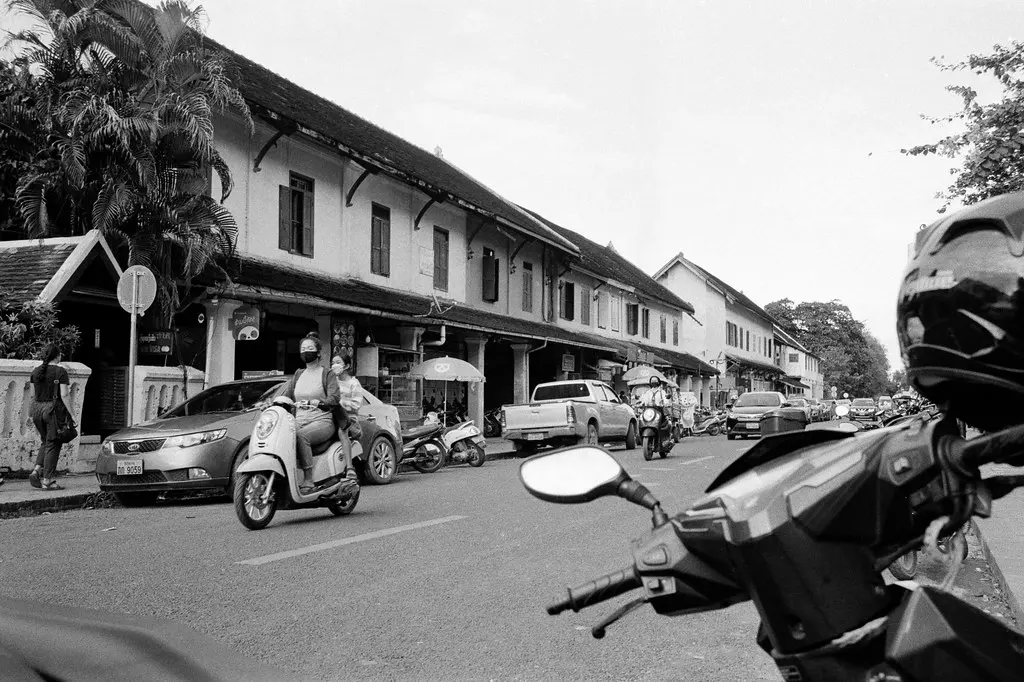
Take Luang Prabang, for instance. I recently checked into 'The Sanctuary by Mekong,' an establishment that, just five years ago, would have been considered a boutique hotel. Now, it’s marketed as an upscale hostel, boasting private river-view balconies, artisanal Lao coffee served in ceramic mugs, and a communal space that feels more like a chic co-working hub than a common room. “Our guests want the social aspect of a hostel, but they’re not willing to compromise on comfort or aesthetics,” explained property manager Phongsavanh Keo. “They’re booking through Instagram, not just Lonely Planet.” The average nightly rate for a private room here? Around $45, a far cry from the $5 dorm beds of old, yet still accessible for a generation prioritizing experience over material possessions.
The New Comfort Economy
This isn’t about champagne and caviar; it’s about thoughtful design, reliable Wi-Fi, and ethical sourcing. In Siem Reap, the 'Jungle Glamping' experience near Angkor Wat epitomizes this trend. While backpackers of yesteryear might have opted for a budget guesthouse in the city center, I encountered 22-year-old Maya from Berlin, who was happily shelling out $70 a night for a luxury tented camp. “I still want the adventure of waking up in nature, but I also want a proper shower and a comfortable bed after exploring temples all day,” she told me, sipping a passionfruit smoothie by her private plunge pool. “It’s about making the adventure less… arduous.” This sentiment resonates with what I’ve heard from numerous young travelers. They’re seeking 'authentic' cultural immersion, but they're also not allergic to air conditioning or a well-designed interior. This isn't just about accommodations either; it extends to transportation. The sleeper buses, once a rite of passage, are now competing with more comfortable, albeit slightly pricier, private minivan services or even short-haul flights for those with tighter schedules.
"They’re seeking 'authentic' cultural immersion, but they're also not allergic to air conditioning or a well-designed interior."
The implications for local economies are significant. These luxury backpackers, often with disposable income from side hustles and digital nomad work, are not just spending more on accommodation. They are also patronizing higher-end local restaurants, participating in curated artisan workshops, and investing in ethical souvenirs. I observed a group at a textile weaving workshop in Kratie, Cambodia, eagerly paying $30 for a hand-dyed scarf, an item a previous generation of budget travelers might have haggled down to $5 at a market stall. They’re investing in the story, the craftsmanship, and the ethical supply chain.
While some traditionalists might argue this 'softens' the true backpacking experience, it’s undeniably expanding the appeal of destinations like Laos and Cambodia to a demographic previously deterred by perceived hardships. The rise of luxury backpacking isn't diluting adventure; it's simply repackaging it for a generation that values both an Instagrammable moment and a good night’s sleep. And as these destinations continue to develop, expect to see more establishments catering to this burgeoning market, proving that you can indeed have your artisan coffee and hike to a waterfall too.
Newsletter
Pacific Daily
A curated briefing from Thailand, Asia-Pacific and the world.