Chiang Rai: The Serene North Beckons
Beyond the bustle of Bangkok, Northern Thailand offers a sanctuary for the soul. Priya Raghunathan explores Chiang Rai’s spiritual havens, verdant tea estates, and compelling art, revealing a region dedicated to mindful living.
BANGKOK
As a sustainability correspondent, my journeys often seek out places where conscious living isn't just a trend, but a way of life. Northern Thailand, particularly the less-trodden paths of Chiang Rai, consistently delivers on this promise. Far from the neon glow and insistent rhythm of Bangkok, this corner of the Golden Triangle offers a profound quietude, a landscape woven with spiritual introspection, agricultural heritage, and unexpected artistic brilliance.
My initial foray into Chiang Rai several years ago was driven by curiosity about its proximity to Laos and Myanmar. What I found was a destination intrinsically linked to its natural environment, where ancient traditions blend seamlessly with a forward-thinking embrace of beauty and tranquility. It's a place that asks you to slow down, to breathe, and to truly observe.
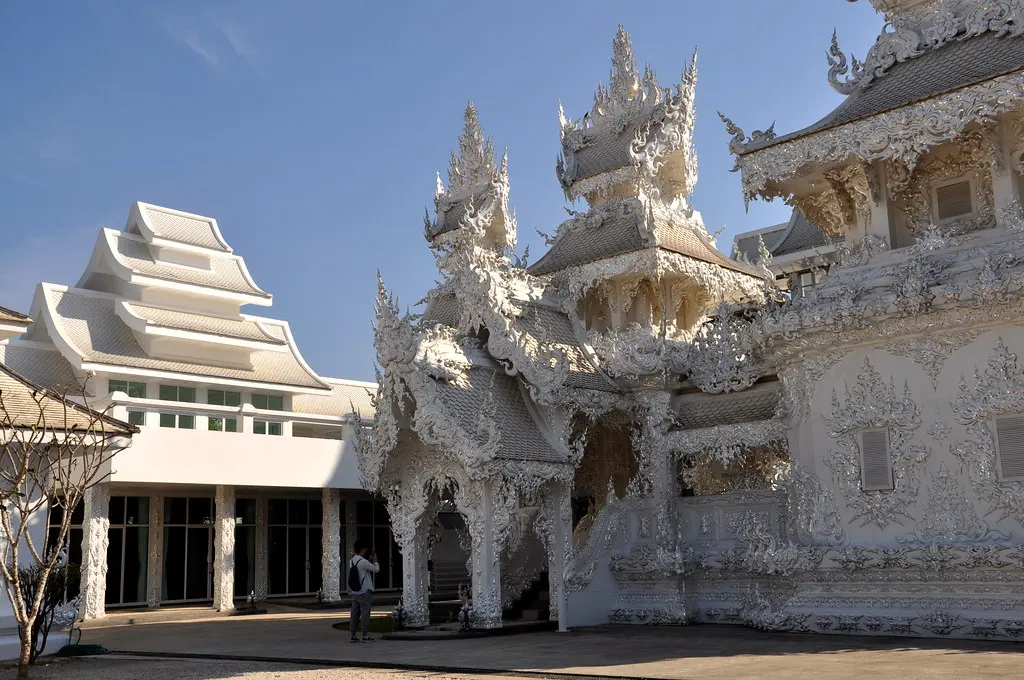
At the heart of Chiang Rai’s spiritual landscape are its magnificent temples, though to call them mere temples feels insufficient. Wat Rong Khun, the 'White Temple,' is arguably the most famous, and for good reason. Designed by local artist Chalermchai Kositpipat, it’s a dazzling, intricate vision, a contemporary take on Buddhist teachings rendered in stark white and shimmering glass. It's not just a place of worship but a sprawling, evolving art installation, its iconography both traditional and surprisingly modern. The bridge of 'the cycle of rebirth' guarded by reaching hands, the reflective pool, and even the gold-adorned restroom complex – each element contributes to a narrative of spiritual journey and enlightenment. While it draws crowds, visiting early allows for moments of quiet contemplation amidst its otherworldly grandeur. Similarly, Wat Rong Suea Ten, the 'Blue Temple,' offers a vibrant, albeit different, aesthetic experience with its deep indigo hues and contemporary Naga sculptures. These sites aren't just photo opportunities; they are expressions of a living culture, constantly reinterpreting its spiritual core.
Beyond the temples, Chiang Rai’s identity is deeply rooted in its agricultural bounty, particularly its tea. The Doi Mae Salong region, nestled high in the hills, is a testament to this. Here, meticulously manicured tea plantations carpet the slopes, a legacy of Chinese Nationalist refugees who settled here post-1949 and brought with them their expertise in cultivating oolong. A visit to a tea estate like Choui Fong, for instance, isn't just about sampling world-class tea; it’s an immersive experience. Walking through the emerald rows, the air crisp and fragrant, one gains an appreciation for the labor and tradition behind each cup. The sustainable practices employed here, from organic farming to ethical labor, resonate deeply with the region’s commitment to preserving its natural resources. The views alone, sweeping panoramas of undulating green, are a form of therapy.
Chiang Rai offers a profound quietude, a landscape woven with spiritual introspection, agricultural heritage, and unexpected artistic brilliance.
The artistic impulse in Chiang Rai extends beyond religious structures. The Mae Fah Luang Art & Culture Park, for example, is a sprawling complex dedicated to preserving Lanna art and heritage. Its elegant, wooden structures house a remarkable collection of artifacts, providing a quiet counterpoint to the more flamboyant contemporary temples. The park itself, with its botanical gardens and serene ponds, is a masterpiece of landscape design, inviting visitors to wander and reflect. Even the bustling Night Bazaar, while a commercial hub, often features local artisans selling handcrafted goods that reflect the region’s distinct cultural identity, from textiles to ceramics.
For those seeking genuine respite and a deeper connection to place, Chiang Rai is an unparalleled destination. It’s a region that has masterfully balanced development with preservation, tourism with tradition. Its spiritual retreats, whether in the form of ancient temples or tranquil tea plantations, offer more than just a momentary escape; they provide a blueprint for mindful engagement with the world, leaving you not just refreshed, but genuinely recalibrated. It’s a journey I recommend for anyone looking to find a different kind of richness in their travels – one measured not in souvenirs, but in serenity.
Newsletter
Pacific Daily
A curated briefing from Thailand, Asia-Pacific and the world.