Real Estate Capital Swallows the Independent Kitchen
The planned demolition of Studio City fixture Oy Bar exposes the systemic vulnerability of hospitality margins against urban property redevelopment.
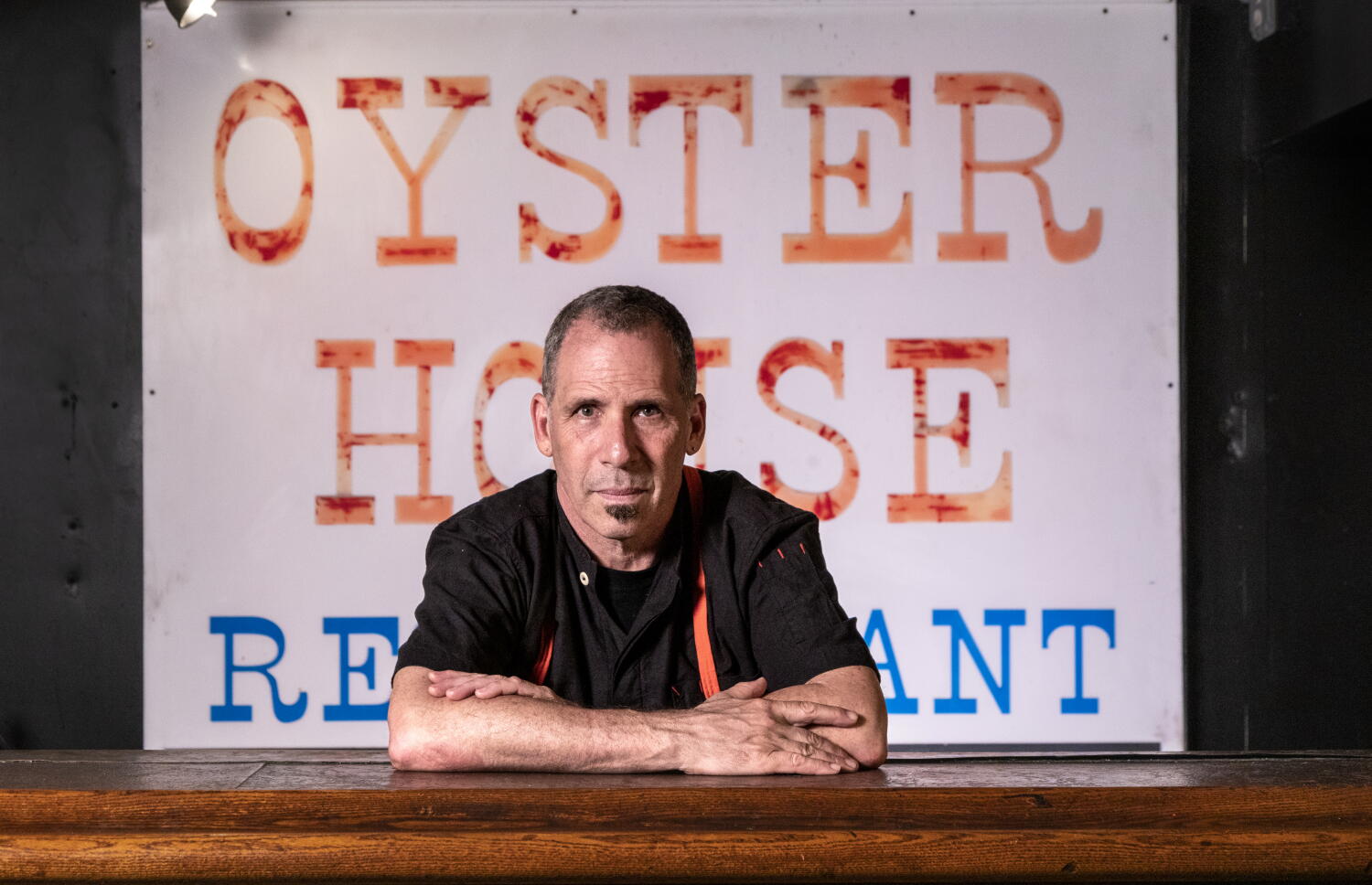
Culinary skill does not secure physical tenure in commercial real estate. An independent kitchen can cultivate steady neighborhood patronage, maintain beverage margins, and control daily overhead. Yet operational discipline offers little insulation when underlying urban parcels shift into higher-yield residential assets.
The scheduled closure of Oy Bar in Studio City demonstrates this persistent financial friction. As reported by the Los Angeles Times Food, proprietors Jeff Strauss and Peter Jarjour fought for two years to preserve their establishment following the sale of their building in late 2024. Despite their efforts to remain, demolition plans for a new housing project superseded their tenancy. Operations will conclude on Jan. 16.
The Friction of Urban Reallocation
Urban planning arguments for residential densification rest on clear regional pressures. Across major Pacific gateway markets, housing shortages create legitimate municipal incentives to replace single-story commercial parcels with multi-unit dwellings. From an urban planning perspective, increasing residential density on existing commercial footprints addresses housing supply constraints that directly affect local workforces.
That development logic, however, reveals an acute asymmetry for independent hospitality operators. Sunk capital in food and beverage ventures is largely immoveable. Kitchen exhaust hoods, plumbing, gas lines, and specialized bar infrastructure represent non-recoverable leasehold investments. When a parcel is cleared for redevelopment, the tenant absorbs near-total balance-sheet write-downs, while relocation requires duplicate capital expenditure under tightened commercial credit conditions.
Strauss previously operated Jeff’s Table and drew on the history of the Oyster House in establishing Oy Bar. That historical continuity provided recognizable community value, but community integration creates no legal equity against site redevelopment.
Property Cycles Over Operating Survival
Food criticism frequently focuses on menu design while ignoring real estate mechanics. In practice, lease durability and debt structure dictate restaurant viability more decisively than wholesale food pricing. A neighborhood venue running disciplined operational costs remains exposed if tenancy contracts contain standard demolition or redevelopment contingencies.
The commercial dynamic follows an observable trajectory. Independent bars and casual dining rooms build street-level foot traffic and local neighborhood appeal. That vitality often accelerates real estate appreciation, attracting institutional capital seeking residential conversions. Once land valuation reflects residential development potential, preserving independent hospitality square footage becomes mathematically disadvantaged under conventional property asset management.
Strauss and Jarjour sustained their operational resistance for two years after the property transaction in late 2024. The outcome indicates that street-level goodwill cannot outbid the returns projected from residential redevelopment. Without dedicated municipal frameworks designed to integrate independent retail tenancies into replacement housing structures, small operators remain exposed to the timeline of property capital.
Sources
Newsletter
Pacific Daily
A curated briefing from Thailand, Asia-Pacific and the world.