Vancouver's Public Safety Vote Exposes the Unfunded Commercial Cost of Street Disorder
A decisive municipal plebiscite signals strong civic appetite for enforcement, but hospitality assets face an execution gap between voter mandates and clinical capital.
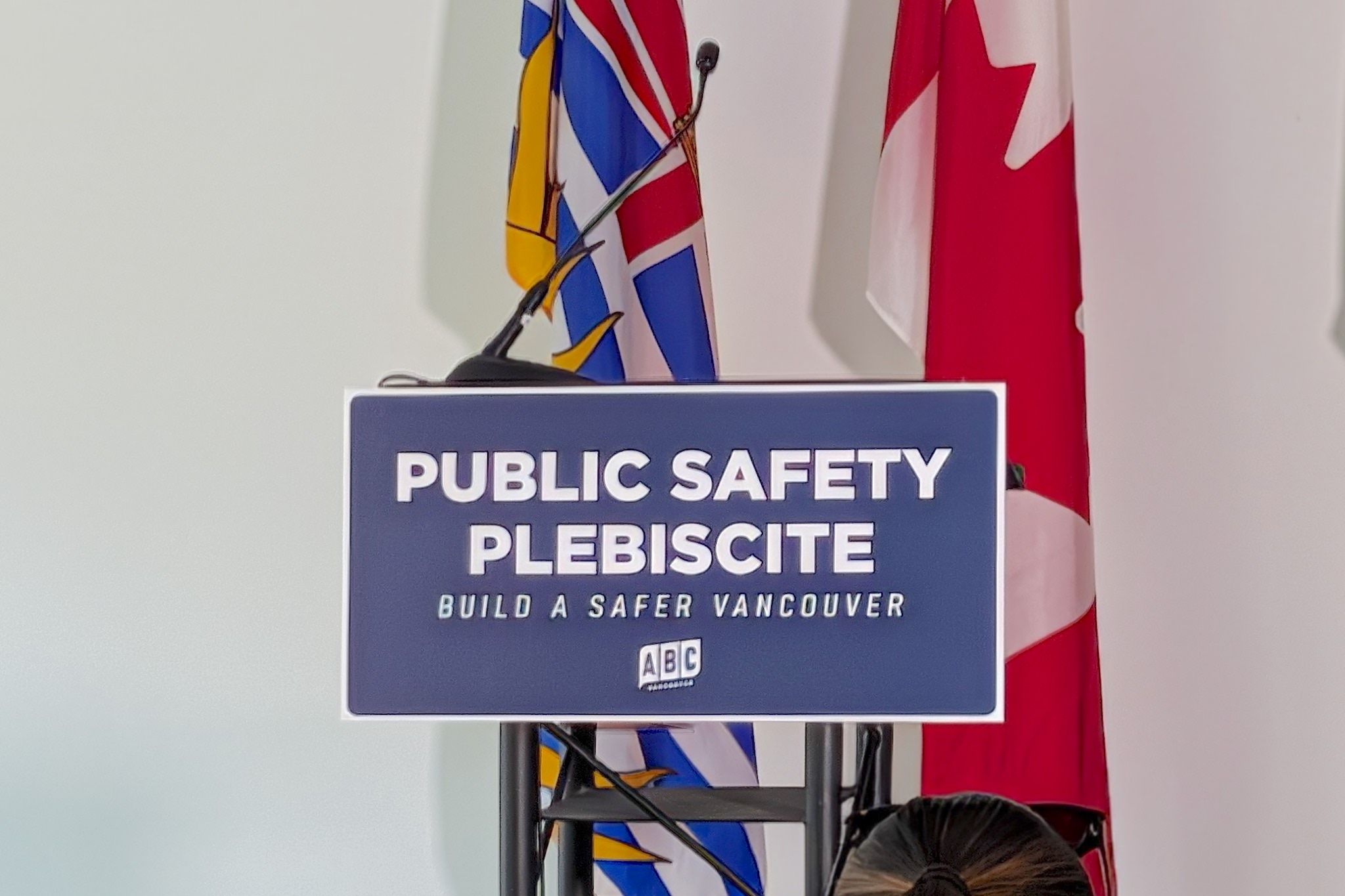
Municipal ballots can register public exhaustion with street disorder, yet civic referendums cannot independently fund the clinical balance sheets needed to clear commercial pavements. In the October 2026 civic election, the City of Vancouver recorded an unmistakable signal of that frustration. Over 68 percent of participating voters marked Yes to back Mayor Ken Sim and his ABC Vancouver party platform, endorsing tougher restrictions against public hard drug consumption alongside a proposal to pursue a secure medical treatment facility.
While regular ballot counts for mayor, city councillors, Vancouver Park Board commissioners, and Vancouver School Board trustees concluded on Saturday night right after voting stations closed, the plebiscite forms were scanned and tallied later. That delayed tabulation does not dilute the arithmetic. A recorded Yes vote clearing 68 percent establishes that voter tolerance for open-air consumption has broken across Vancouver electoral wards.
The Commercial Signal
From a hospitality and asset-management perspective, street stability constitutes the baseline operating cost of any downtown service economy. Hotels, street-level retail, and dining districts cannot sustain baseline footfall when adjacent corridors deteriorate into visible distress. When public order erodes, commercial tenants absorb the immediate shock through reduced evening foot traffic, increased private security expenditure, and depressed revenue per available room across city centres.
Corporate travel and international visitor flows avoid metropolitan cores characterized by erratic street activity. Landmark properties along the urban waterfront—such as the Fairmont Pacific Rim, which drew international hospitality appraisals in 2011 and 2019—depend on predictable street conditions to command premium average daily rates and high seasonal occupancy. Mayor Ken Sim and ABC Vancouver framed the plebiscite around urban safety, aligning downtown commercial operators with broad residential sentiment. The voting pattern suggests that market operators and ratepaying residents now treat municipal enforcement as a necessary precondition for commercial viability.
Opponents of the ABC Vancouver platform counter that local prohibitions cannot resolve underlying substance dependence, arguing that localized restrictions merely displace entrenched health crises across adjacent neighbourhoods. That operational objection highlights a critical governance divide. Municipalities govern street bylaws and zoning, but local administrations possess neither the statutory mandate nor the operating budgets to manage involuntary medical treatment facilities independently. A 68 percent ballot margin delivers political leverage; it does not build clinical capacity or hire medical staff.
The Funding Gap
This structural mismatch exposes the underlying commercial risk behind the vote. Passing an advisory plebiscite costs little beyond administrative ballot processing. By contrast, financing secure clinical operations requires capital transfers and legislative coordination from senior tiers of government, whose fiscal schedules do not track municipal municipal election cycles. The political mandate belongs to City Hall, but the financial liability sits with senior authorities that have not committed the operational funding.
Commercial property owners and hospitality operators who welcomed the plebiscite result now face an unresolved balance sheet question. If provincial and federal authorities decline to finance the proposed treatment infrastructure, municipal bylaws against public drug use will merely shift street friction from one downtown block to the next without stabilizing commercial corridors. Mayor Ken Sim has extracted an overwhelming mandate from the electorate, but the commercial stabilization of downtown Vancouver now depends entirely on whether outside funding materializes to pay for the facilities voters demanded.
Sources
Newsletter
Pacific Daily
A curated briefing from Thailand, Asia-Pacific and the world.