The Scarcity of Public Trust: A Global Culinary Imperative
Political maneuvering in Vancouver highlights a fundamental challenge: the need for transparent, actionable plans in public services, a dynamic that underpins trust and, by extension, market stability across the Pacific Rim.
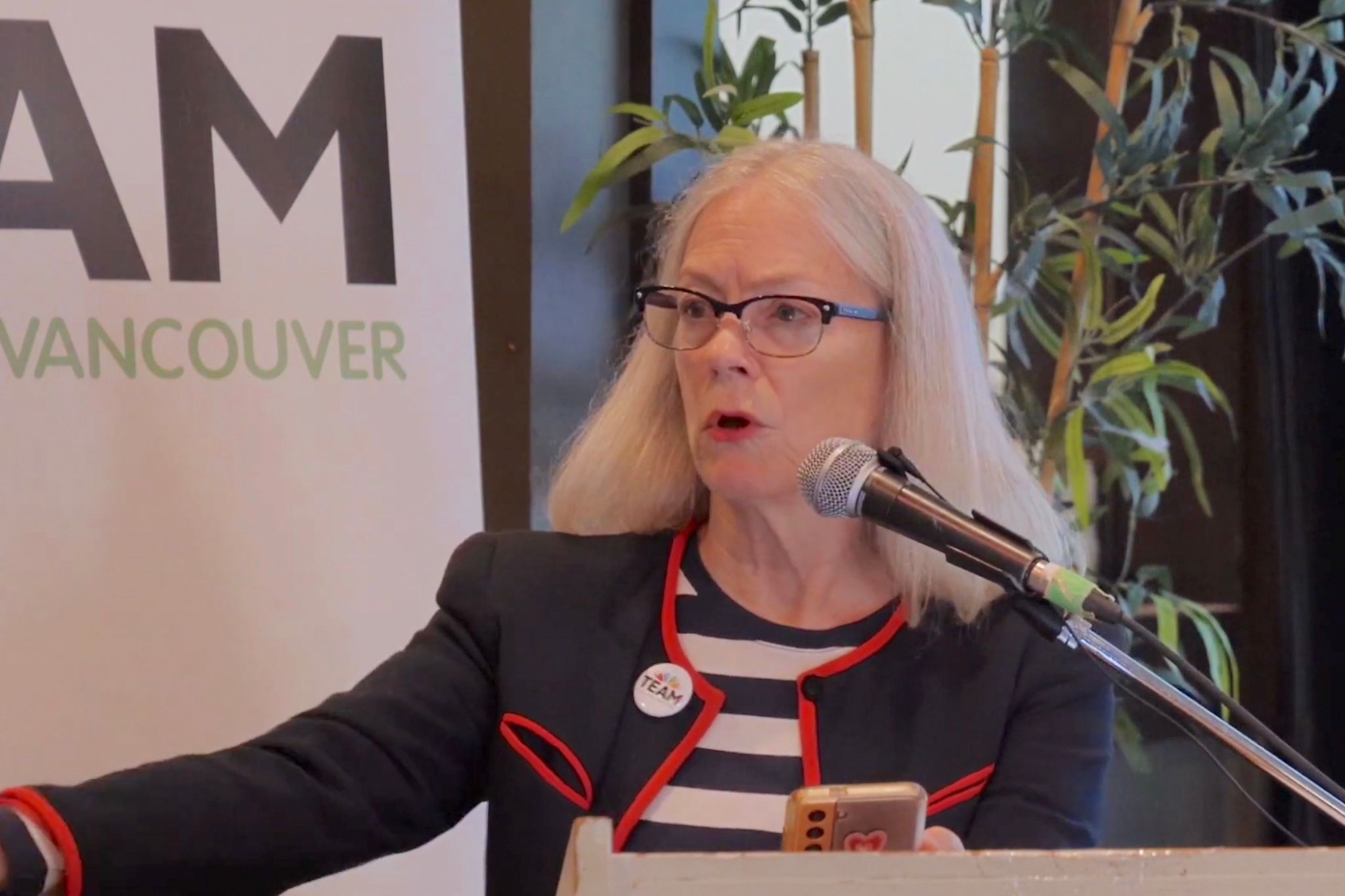
The political discourse surrounding Vancouver's public safety, specifically the mayoral candidate Colleen Hardwick's critique of Ken Sim's proposed plebiscite, offers a lens into a broader issue. Hardwick, representing TEAM for a Livable Vancouver, states, "Vancouverites don’t need another ballot question to tell us they want safe streets. They need a serious plan and a City Hall prepared to act." This assertion, delivered ahead of an election, centers on the perceived absence of concrete action following Sim's election four years prior with promises of restored public safety. The ABC Vancouver majority’s approval of Sim’s plebiscite in August, intending to engage voters on public hard drug use and a new treatment facility, appears to Hardwick as an insufficient response.
This tension between public expectations and political action resonates with the foundations of any robust market, including the culinary sector across the Asia-Pacific. While Vancouver's municipal politics might seem geographically distant, the underlying dynamics of trust and effective governance are universal. For culinary businesses, especially those reliant on intricate supply chains and consumer confidence, the stability provided by a well-governed public sphere is not merely beneficial; it is foundational. When public services, such as safety, are perceived as mismanaged or neglected, the ripple effect can depress economic activity, limit investment, and ultimately, constrain the margins of producers and restaurateurs alike.
Consider the supply chain. A producer or farmer in Thailand, aiming to export high-quality ingredients, relies on predictable trade routes, secure infrastructure, and stable demand. These elements are directly influenced by the effectiveness of public governance. If a city's fundamental social contract — its promise of safety and clear public policy — appears to be in question, it creates an environment of uncertainty. This uncertainty can translate into increased operational costs, decreased foot traffic for restaurants, and a reluctance among investors to commit capital, hindering innovation and growth.
Conversely, an environment where public trust is high, and governance is seen as responsive and effective, fosters predictable conditions. Such an environment lowers the risk premium for businesses and encourages long-term planning, whether for a new restaurant concept in Bangkok or a distribution network for seafood from the Philippines. The challenge, as articulated by Hardwick in Vancouver, is that an attributed claim of a desire for action does not equate to a fact of action. Voters, like consumers, demand demonstrably effective outcomes, not just repeated statements of intent. The economic viability of the region's food ecosystems, from the farm to the plate, often hinges on the quiet competence of public administration.
The strongest counterargument suggests that local political debates, such as those in Vancouver, have minimal direct impact on the vast and diverse economies of the Asia-Pacific. However, this perspective overlooks the interconnectedness of global confidence and the universality of governance principles. While a specific plebiscite in Canada might not directly alter seafood prices in Thailand, the erosion of public trust due to perceived governmental inaction, wherever it occurs, serves as a cautionary signal about systemic stability.
The limitation remains that this analysis draws on a municipal political dispute to infer broader economic principles. Nevertheless, the parallel between the public's demand for clear, actionable plans from government and the market's demand for transparency and stability from its operating environment is a consistent and unresolved tension.
Sources
Newsletter
Pacific Daily
A curated briefing from Thailand, Asia-Pacific and the world.