Vancouver's Rotisserie Reintroduction: A Test of Operational Limits
Seasonal demand for specialty menus challenges restaurant operational capacity, with implications for Asia-Pacific hospitality.
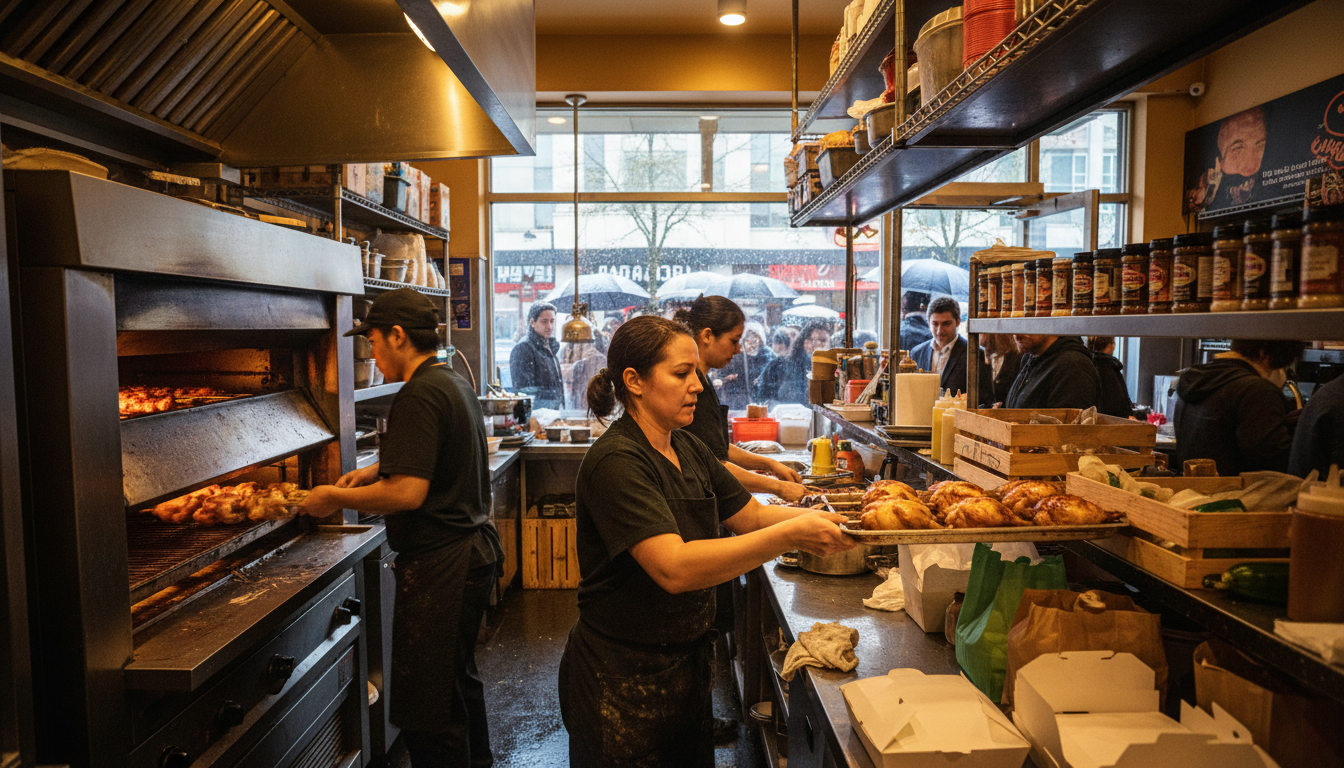
Chez Céline in Vancouver is reintroducing its Rotisserie Québécoise dinner next month. The restaurant announced this return, stating reservations are already open. This follows a period last year where reservations for the same special dinner went quickly. The meal, as described, includes Rossdown Family Farms chicken, frites, coleslaw, gravy, and a grilled potato bun.
Seasonal menu additions, particularly those generating high demand, can strain a restaurant’s operational infrastructure. The primary question arising from the rapid reservation uptake is not one of popularity, but of sustained delivery capacity. A single, high-volume item like a rotisserie chicken dinner requires consistent poultry supply, specific roasting equipment, and coordinated kitchen staff to prepare components like frites and gravy to meet anticipated order volume. If Chez Céline expects reservations to sell out as fast this year as they did last year, this indicates a significant, albeit temporary, surge in demand for a very particular product.
This reintroduction represents an operational test for Chez Céline. The constraint is not the initial interest, which is established, but the throughput of their kitchen and service model under peak demand for this specific offering. The stated goal from the restaurant on OpenTable, to deliver "one of our most nostalgic and beloved dining experiences," requires consistent quality across all servings, not just the first few. Maintaining quality when demand outstrips the supply chain or kitchen’s physical capacity can lead to service delays or quality degradation, despite high initial enthusiasm.
In the Asia-Pacific region, where seasonal tourism and localized culinary events are significant drivers for hospitality, such concentrated demand scenarios are common. While the specifics of a Vancouver rotisserie are distinct, the underlying operational challenges are universal. A hotel restaurant in Bangkok offering a limited-time durian dessert or a specialty seafood buffet in Tokyo faces identical pressures concerning sourcing, preparation, and staff allocation. The operational bottlenecks often appear in unexpected areas: refrigeration space for additional ingredients, adequate staffing for peak service, or the speed at which specialized equipment (like a rotisserie oven) can produce finished product.
Should Chez Céline’s reservations fill rapidly again, it confirms a strong market signal for this specific offering. However, it will also indicate whether the restaurant has scaled its internal processes, from ingredient procurement to table service, to manage the increased volume without compromising the dining experience it aims to provide. The outcome now depends on the operational planning matching the marketing success.
Sources
Newsletter
Pacific Daily
A curated briefing from Thailand, Asia-Pacific and the world.