Tokyo Counter Economics Reach Their Density Limit
Hotels continue adding eight-seat dining rooms across the capital, testing how many intimate formats urban wealth can sustain
TOKYO
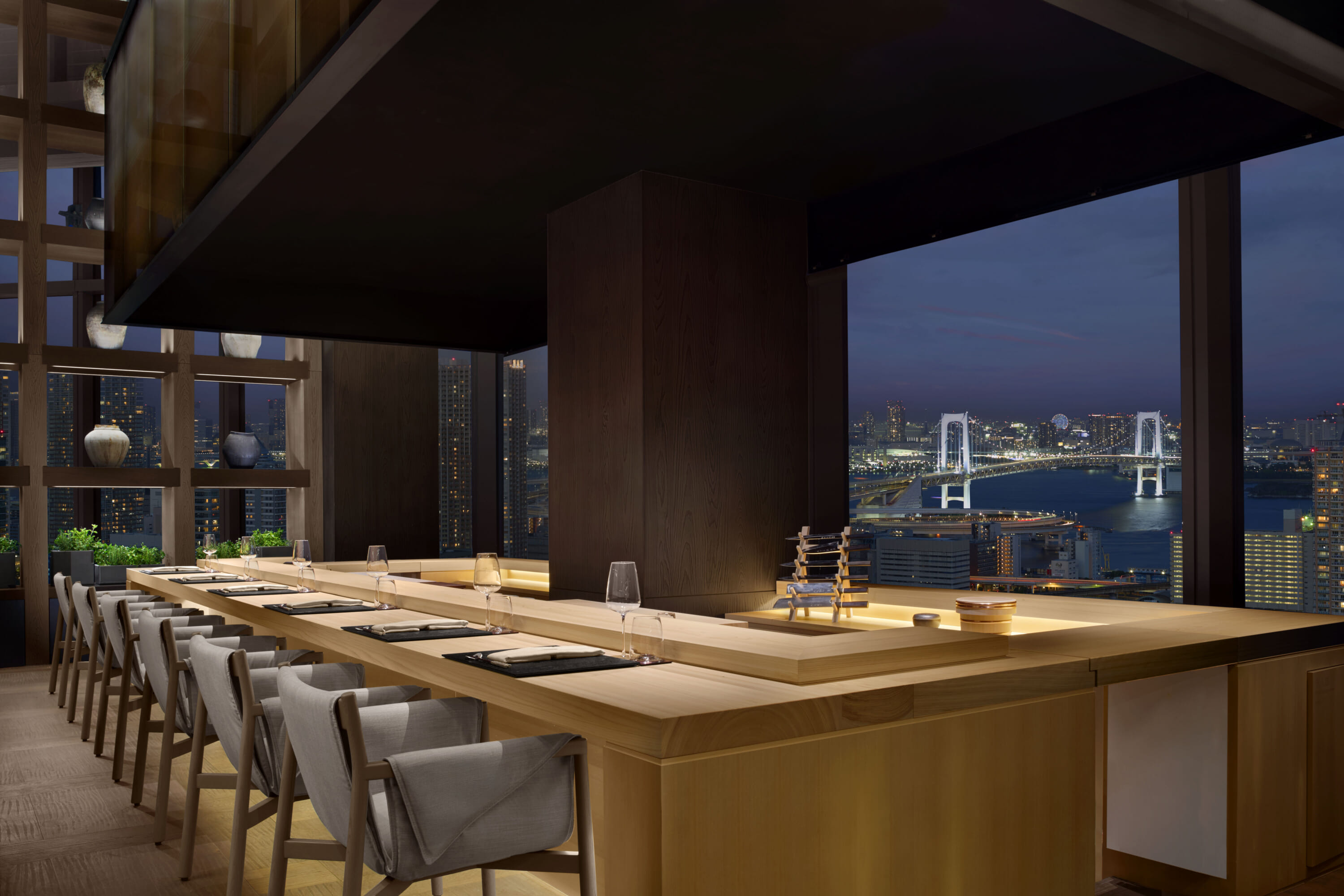
Tokyo already holds more high-end omakase dining counters than ordinary diners can differentiate, yet luxury hospitality groups continue adding them. The recent arrival of Kappo Omakase Saki on the 29th floor of JW Marriott overlooking Tokyo Bay highlights a structural pattern across regional capitals. Operators reduce dining capacities to eight seats, place them inside international hotel properties, and rely on exclusivity to support elevated operational costs. Understanding this model requires examining what these micro-formats actually sell and whether consumer spending can absorb endless variations of the same culinary transaction.
Running an eight-seat dining room changes commercial arithmetic. In standard restaurant operations, volume spreads fixed overheads such as central district rent, premium staffing, and cold-chain sourcing. When total covers drop to eight per sitting, every chair must generate a significant margin to cover property leases in prime developments near Tokyo Bay. For diners, this dynamic pushes meals out of reach for routine household budgets and locks the format into corporate expense accounts and international travellers.
The Scarcity Premium
The economic logic relies on artificial scarcity. By restricting attendance to eight covers at a time, venues create an illusion of bespoke personal hospitality while simplifying procurement. An executive kitchen serving eight guests prepares identical courses simultaneously, reducing ingredient waste and streamlining inventory. What appears to be an unhurried artistic encounter is also a tightly calculated, low-loss supply chain.
The challenge for Tokyo is saturation. When multiple luxury towers install near-identical intimate counters, the distinctiveness of the experience erodes. Tokyo Weekender observed that distinguishing between the capital's high-end omakase venues has become increasingly difficult. When scarcity becomes ubiquitous, pricing power depends less on culinary craft and more on location, brand affiliation, and views over urban landmarks.
The Upper Limit of Intimacy
The counterargument from hospitality executives holds that high-net-worth demand in Japan and across the Asia-Pacific remains resilient enough to clear any inventory of premium seats. Wealthy travellers seeking privacy and dedicated attention actively prefer small rooms over expansive hotel restaurants. An eight-seat counter guarantees personal sightlines and low ambient noise, justifying its pricing to those who value seclusion.
Yet this reliance on elite discretion leaves little room for operational error. When an establishment depends entirely on filling eight seats each evening, a minor downturn in visitor arrivals or corporate spending immediately threatens monthly cash flow. As luxury towers along Tokyo Bay compete for the same narrow band of diners, the question is not whether the craft is refined, but how many identical eight-seat rooms a city can absorb before intimacy ceases to command a premium.
Sources
Newsletter
Pacific Daily
A curated briefing from Thailand, Asia-Pacific and the world.