The Optics of Spectacle on Wall Street
Gentle Monster frames artificial intelligence not as an instrument of surveillance, but as an aesthetic ritual in Lower Manhattan
SINGAPORE
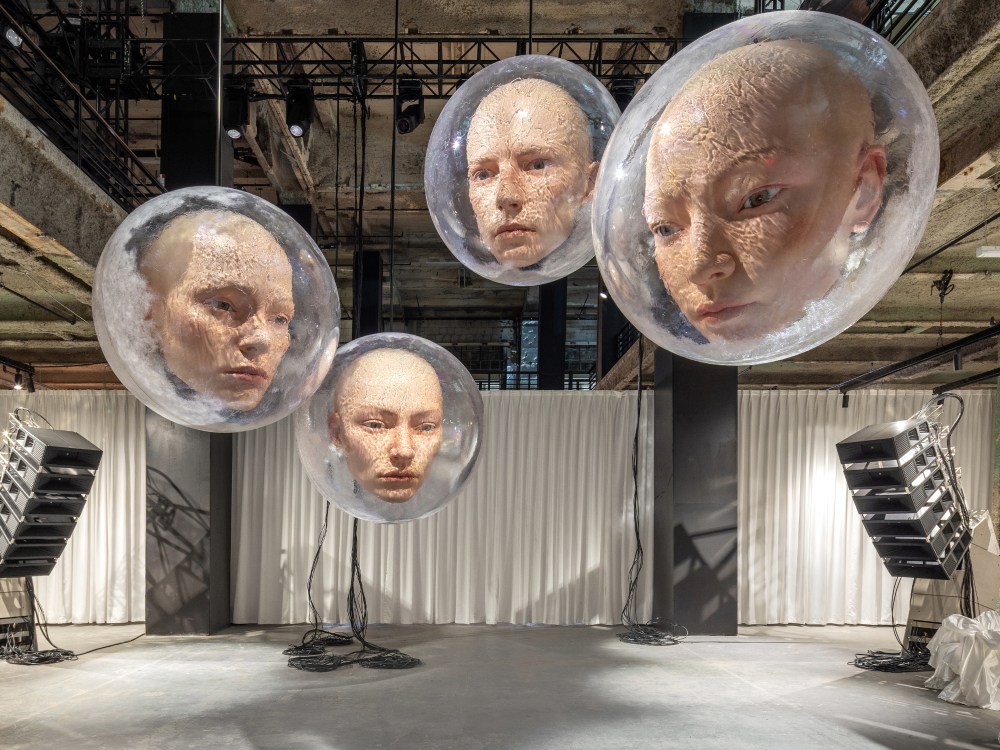
Retail theater functions by distracting the buyer from the transaction long enough for desire to settle into habit. At 23 Wall Street in New York, that diversion takes the form of temporary architecture, where South Korean eyewear label Gentle Monster opens its Intelligent Eyewear installation in partnership with Google. The exhibition runs across rooms built to showcase technical functions such as real-time translation through frames worn upon the face, lasting from Friday through Nov. 23.
For a decade, the Seoul-born brand built its commercial reputation on deliberate disorientation. Its international flagship spaces treated retail floors as sculpture gardens rather than point-of-sale displays, subverting conventional department store logic across East Asia before deploying the same tactic in Western financial capitals. Where traditional luxury houses depended on heritage and leathercraft, this model treated eyewear as a credential of cultural knowingness, secondary to the spatial narrative containing it.
The Architecture of Distraction
The Manhattan installation marks a subtle mutation in that strategy. Rather than presenting spectacles merely as decorative posture, the venture embeds Google software into the physical bridge of the nose. By housing voice interfaces and algorithmic translation within an art environment, the project attempts to bypass the consumer anxieties that have stalled wearable hardware since earlier attempts failed to gain public acceptance.
Curators of smart technology often struggle against the perception that optical headwear turns users into intrusive recording instruments. By staging the encounter within a curated exhibition space on Wall Street, the South Korean brand reframes machine vision as high fashion. The gallery context neutralises suspicion, recasting algorithmic data collection as participatory performance art.
The gallery context neutralises suspicion, recasting algorithmic data collection as participatory performance art.
There is, however, an unresolved tension between the spectacle and the device. Wearable computing succeeds only when it disappears into mundane utility, while luxury eyewear thrives entirely on being seen. The installation invites patrons to view real-time translation as an extension of personal style, yet personal style has rarely required corporate cloud architecture to validate its presence.
Shifting Centers of Cultural Export
This presentation reveals how thoroughly the axis of commercial curation has migrated from Western design houses to South Korean creative management. Silicon Valley once looked to Europe to lend elegance to consumer electronics; today it relies on East Asian retail innovators to make ambient computation socially permissible.
Whether consumers across international hubs wish to wear computational lenses beyond an exhibition floor remains an unanswered question. What is evident at 23 Wall Street is that hardware companies now recognise engineering alone cannot conquer personal vanity. To place sensors on the human face, technical utility must first masquerade as contemporary sculpture.
Sources
Newsletter
Pacific Daily
A curated briefing from Thailand, Asia-Pacific and the world.