When Ancestral Mourning Becomes an Urban Spectacle
Workshops along Granville Island demonstrate how Pacific Rim civic spaces convert private grief into public consumption
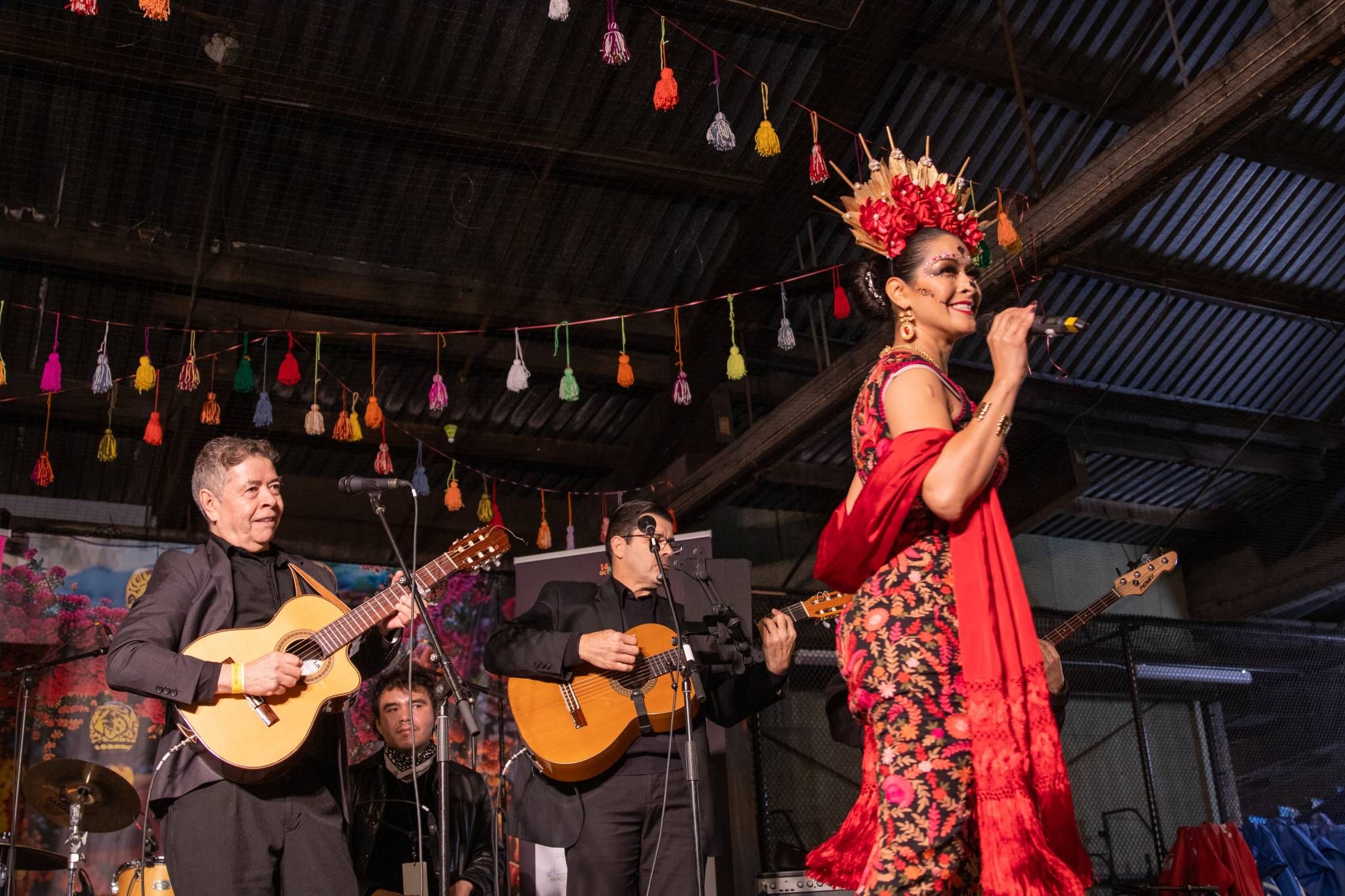
Municipal celebrations operate through an implicit contract of aesthetic reduction: complex communal traditions enter the public square only after their sharpest emotional edges have been filed smooth. The seasonal calendar of the Latin American Heritage Month Festival, running from Oct. 14 through Nov. 2, presents this civic pattern in clear daylight. At the center of the programming sits the Day of the Dead Market on Granville Island, scheduled across Oct. 31 and Nov. 1, where workshops invite participants to craft papel picado banners, decorate sugar skulls, build Catrina-inspired lanterns, and assemble personal ofrenda altars to remember deceased relatives.
What unfolds along Granville Island is not merely an educational introduction to Mexican ancestral traditions, but an urban mechanism that invites general passersby to participate directly in rituals conceived around mortal remembrance. The calendar positioning reveals much of the underlying civic tension. Anchored across Oct. 31 and Nov. 1, the market shares dates with Halloween while attempting to preserve the distinct lineage of Día de los Muertos. Participants construct decorative lanterns and cut paper offerings, translating domestic devotion into public, craft-centered engagement.
The Civic Staging of Private Grief
Mourning within traditional Mexican domestic practice relies on specific ancestral obligations. The ofrenda altar is fundamentally intimate, erected inside homes to summon deceased family members through food, personal items, and private memories. When such rituals transfer to municipal market floors, the dynamic changes. The solemn transaction between living descendants and their ancestors becomes an open participatory workshop. Anyone can paint a sugar skull or fold a paper banner without sharing the lineage or spiritual cosmology that produced the form.
Civic multiculturalism often requires that intimate rites transform into accessible entertainment to secure public recognition.
Advocates of these public festivals reasonably argue that municipal visibility requires open access. Without organized markets, workshops, and gatherings covering music, food, art, and literature, immigrant communities risk remaining invisible in major Pacific Rim ports. Inviting general residents to handle artisanal materials and build miniature altars fosters cross-cultural familiarity when migrant histories face persistent marginalization.
Yet this civic accommodation creates its own quiet contradiction. To make ancestral ceremonies welcoming to an uninitiated public, organizers emphasize tactile crafts and decorative motifs over the confronting reality of death itself. The skeletal iconography of the Catrina, born out of pointed satire and social critique in Mexico, settles into a benign craft motif for weekend attendees. Direct confrontation with mortality yields to family-friendly assembly lines.
Ancestral Memory Across Urban Borders
This tension between sacred obligation and public performance echoes across the Pacific Rim, where urban centers constantly negotiate the secularization of spiritual rites. Traditional practices of feeding departed souls, burning commemorative paper offerings, and honoring ancestors regularly confront the expectations of modern consumer spaces. When municipal platforms absorb these practices into seasonal cultural calendars, the rituals gain widespread validation while losing their private insularity.
The Granville Island workshops show how contemporary urban multiculturalism rarely leaves ancestral ceremonies untouched. By inviting everyone to fashion ofrendas on waterfront stalls, the city provides an approved platform for cultural recognition, but it does so by reshaping private remembrance into public spectacle. The enduring question is whether a community's spiritual vocabulary survives this secular conversion intact, or whether the ritual slowly empties out once the seasonal market closes its doors.
Sources
Newsletter
Pacific Daily
A curated briefing from Thailand, Asia-Pacific and the world.