The Exhaustion of Reinvention: Anthony LaPaglia and the Costs of the Hollywood Transit
A memoir detailing childhood violence, studio friction, and financial precarity dismantles the enduring fantasy of expatriate screen redemption.
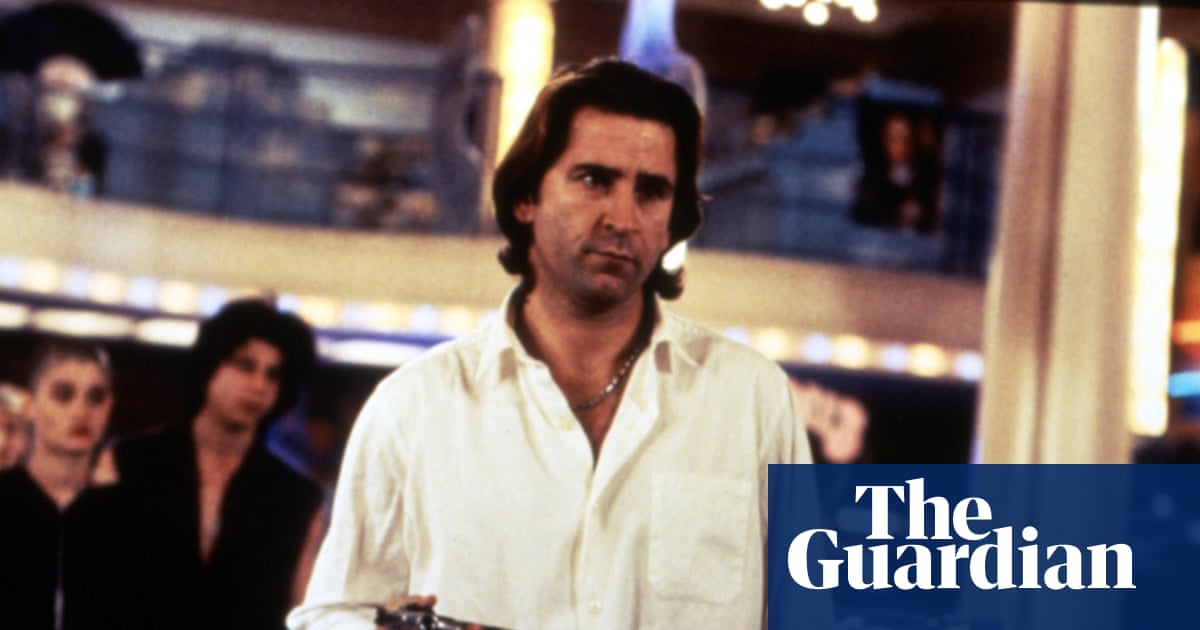
The migratory pipeline that carried Antipodean actors toward American studios in the closing decades of the twentieth century rested on a powerful promise of personal reinvention. Australian performers moved abroad carrying the belief that commercial recognition in the United States would permanently insulate them against the modest limitations and domestic trauma of home. In his memoir, The Life We Choose, Anthony LaPaglia dismantles that romantic assumption, offering instead a sober audit of what four decades within the transnational entertainment apparatus actually cost.
Known across global syndication for his central role in the television procedural Without a Trace, as well as performances in Lantana, Frasier, and Empire Records, the Adelaide native uses his recollections to disrupt the familiar Hollywood triumph narrative. Rather than framing his transatlantic career as unalloyed ascension, LaPaglia frames dramatic performance as an emergency psychological shelter constructed against the violence of his youth. His childhood in Adelaide unfolded under the severe abuse of his father, Egidio, establishing wounds that followed him into adult employment. “They say acting is the cheapest form of therapy,” LaPaglia writes, adding that his early circumstances made that surrogate refuge an urgent necessity.
The Frictions of Prestige
Behind the polished veneer of American prime-time production, commercial prestige proved volatile and emotionally draining. LaPaglia records the narrow margins separating career-defining institutional success from professional oblivion, including the reality of almost playing Tony Soprano before the part reshaped American cable television under another performer. Working relationships across the studio system were frequently fraught with sudden hostility. Director Quentin Tarantino reportedly flipped out at him during one creative encounter, exposing the precarious standing that even respected character actors endure when navigating volatile industry gatekeepers.
Production conditions routinely clashed with personal dignity. On the set of the film Empire Records, escalating dysfunction pushed the actor past endurance, marking the single instance in his professional life where he walked off a set entirely.
“Cocaine is the Gollum of drugs.”
That unsettling verdict captures the predatory toll of chemical dependency during periods of high-stress screen work. By framing cocaine as a grotesque literary parasite that devours its pursuer, LaPaglia articulates how substance abuse hollowed out the interior lives of expatriate performers striving to survive the punishing rhythms of North American studio life.
Solvency and the Depleted Ledger
Material security, long assumed to be the inevitable reward of high-profile American broadcast work, proved equally precarious. Despite years of anchoring international network programming, the actor candidly notes that he is now pretty much broke. The disclosure shatters the persistent cultural assumption that extensive exposure across global television guarantees lasting solvency for performers who do not own the underlying corporate intellectual property. Residual payments and studio contracts consistently fail to shield mid-tier screen veterans from late-stage economic vulnerability once the production cycle subsides.
What remains preserved across LaPaglia’s retrospective is an uncompromised commitment to the discipline of acting as craft, an enduring respect for the expressive labor that enabled him to endure a painful childhood in Adelaide. Meanwhile, the gilded fantasy that Hollywood offers genuine sanctuary from the emotional scars of youth or lasting protection against commercial decline has quietly vanished. The long journey from South Australia to California delivered international visibility, yet the final balance sheet confirms how dearly that migration was purchased.
Sources
Newsletter
Pacific Daily
A curated briefing from Thailand, Asia-Pacific and the world.