When War Spectacle Shifts to South Korea
A move in commercial gaming from European battlefields to a simulated Asian invasion demonstrates how regional tension enters domestic routine.
SINGAPORE
Commercial entertainment franchises often reveal corporate anxieties through physical geography. When consumer engagement flags, mass-market studios rarely rethink the basic design of simulated combat; instead, they alter the coordinates of the map. Call of Duty: Modern Warfare 4 arrived on Oct 23 with a designated commercial mission to revitalise a franchise losing momentum. The setting chosen to reverse that drift marks a deliberate departure from established patterns. Breaking from the fictional Eastern European and Middle Eastern backdrops of previous titles, the release sets its primary storyline in South Korea following a North Korean invasion, positioned against mounting US-Russia tensions.
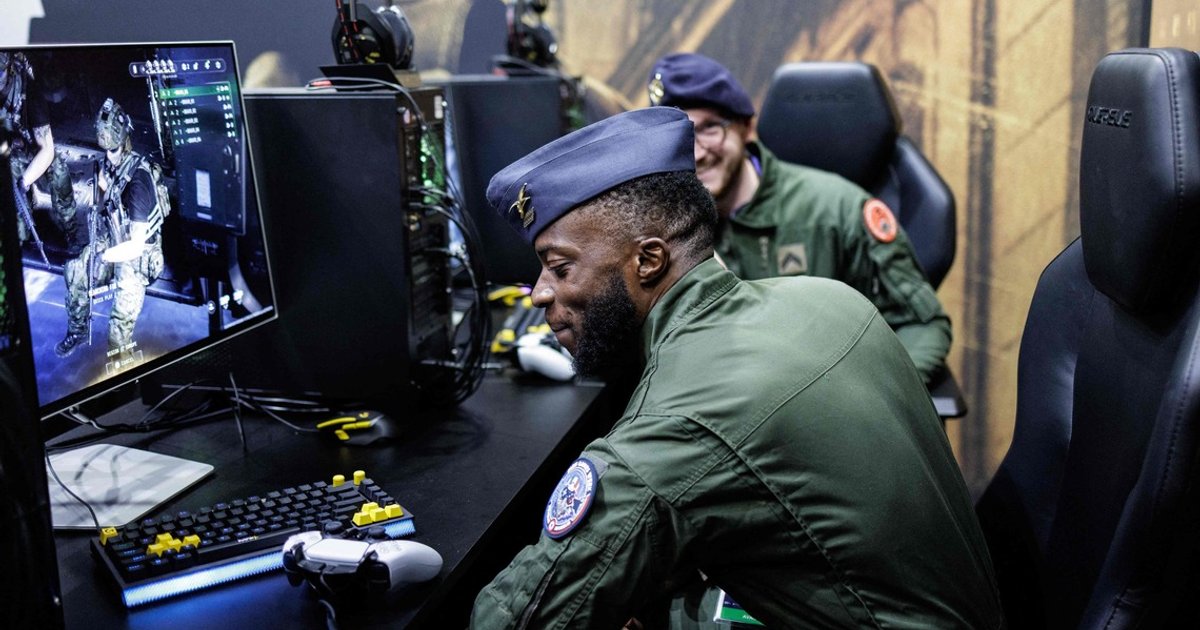
That operational pivot was showcased on Oct 21 at Paris Games Week 2026 in Paris, where visitors dressed in military outfits sat at consoles to steer soldiers through digital urban warfare. The spectacle aims to capture domestic leisure hours across living rooms from Bangkok to Western capitals. Yet moving unresolved geopolitical disputes into an interactive recreation alters how players encounter regional crises during quiet evenings at home.
The Mechanics of Familiar Danger
Mass-market digital publishers rely heavily on recognisable hazards. Scripted skirmishes across unspecified deserts or ambiguous industrial zones once offered enough distance to shield players from immediate political reality. Relocating a mass-market combat simulator directly to South Korea removes that layer of abstraction. For residents living across the Asia-Pacific, North Korean military actions and American security guarantees are not abstract narrative devices engineered to deliver adrenaline. They form active, unresolved pressures that shape national defence spending, commercial trade channels, and everyday civilian expectations.
Entertainment franchises reveal their anxieties through geography, turning active regional flashpoints into domestic diversions.
Transforming an invasion of South Korea into seasonal consumer diversion treats acute regional vulnerability as raw material for high-adrenaline leisure. For individual buyers, the purchase appears purely practical: an evening spent behind a television screen, guiding virtual squads through ruined city avenues. Still, the cumulative habit can normalise catastrophic regional instability into background noise within ordinary households. What might otherwise signal an acute political breakdown becomes another digital arena where participants pursue recreational objectives between regular household chores.
Detachment and Screen Routine
There is an understandable counterargument rooted in consumer detachment. Audiences distinguish clearly between electronic simulations and evening news coverage. Players do not confuse an interactive military script with real diplomacy, nor does engaging with digital combat automatically desensitise families to the human cost of regional conflict. Many enthusiasts simply seek technical execution, graphic fidelity, and competitive multiplayer loops rather than geopolitical commentary. For millions of users, the storyline serves as disposable stage dressing, abandoned the second a competitive match concludes.
Yet consumer culture rarely remains fully separated from the commercial environments it inhabits. The strategic choice to anchor a flagging commercial property in a modern invasion indicates a calculation by Western entertainment executives that South Korea has become sufficiently recognisable as a global flashpoint to generate reliable sales. It assumes that security anxiety can function as an effective commercial lever to arrest falling engagement.
Whether this commercial calculated risk succeeds in restoring long-term interest depends entirely on whether players remain invested once the immediate novelty of the new setting recedes. What is already clear is that commercial entertainment is no longer content to invent imaginary conflict zones. It now draws its commercial material directly from territories that millions of people inhabit every day.
Sources
Newsletter
Pacific Daily
A curated briefing from Thailand, Asia-Pacific and the world.