Digital Spectacle in Singapore: A Question of Integration
teamLab's sustained presence raises inquiry into urban design and the public realm.
SINGAPORE
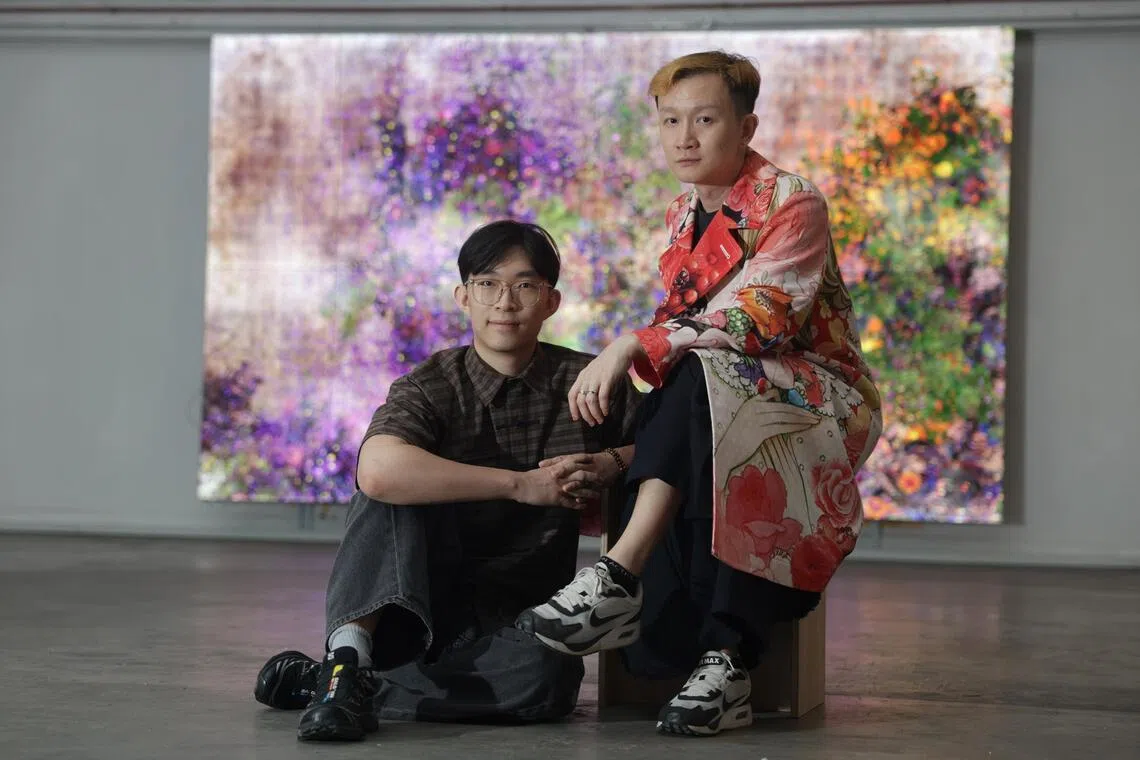
The Japanese art collective teamLab maintains a consistent focus on Singapore. Their solo exhibition, 'Infinite Existence,' is currently presented at Supper House, and a new museum is under development at Gardens by the Bay. This ongoing engagement, which began with what teamLab describes as its 'big international break' in Singapore in 2013 and includes a permanent exhibition at the ArtScience Museum, attracting nearly five million visitors, prompts a critical examination of urban design and its intended beneficiaries.
Singapore has actively cultivated an environment for digital art. The ArtScience Museum has housed teamLab's work, and its 'Future World' exhibition has seen updates. This commitment suggests a deliberate strategy to accommodate installations that demand specific technical and spatial conditions. teamLab has stated it values Singapore's "openness to new technology." This openness is not abstract; it manifests as tangible infrastructure capable of supporting the complex environmental controls—lighting, climate, power—and robust networks required for digital art. The planned interactive kayaking experience, for instance, implies a sophisticated integration of technology with existing environmental spaces, necessitating both technical provision and regulatory frameworks.
However, the singular prominence of a collective like teamLab within this landscape invites deeper scrutiny. While the presence of widely recognized digital art signifies cultural ambition, the concentration of resources on established international entities may inadvertently limit development for local artists. Does the city's investment foster a broader, indigenous digital art scene, or does it primarily facilitate marquee international names? The focus on attracting such names may generate visitor numbers, but it does not inherently cultivate local innovation or address the varied needs of Singaporean designers. The question persists whether these celebrated installations become integral to the public realm, enhancing daily life, or if they remain discrete, managed attractions. The efficacy of digital installations, from a design perspective, relies on their genuine integration with human experience, not merely on their existence as spectacle.
Economically, the implications are clear. The largest teamLab exhibition in Japan, located in Kyoto, offers tickets starting from $29. While pricing for Singapore is not specified, the reported visitor numbers for existing installations suggest a commercially viable model. For Singapore, these projects function as tourist draws, contributing to the city's image of innovation. Yet, the broader return on public investment, beyond attendance figures, warrants further assessment. While the Supper House exhibition lists curator Yu Ke Dong and creative director Ashley Chiam, names connected to the local arts scene, the overarching narrative largely centers on the Japanese collective itself.
Singapore continues to attract and enable large-scale digital art, but the true measure of its success in design and living will be determined by how these projects meaningfully contribute to the everyday lives of its residents and cultivate a diverse creative landscape, rather than merely hosting pre-packaged experiences. The constraint that remains unresolved is how this advanced technological and artistic capacity serves a wider, more inclusive public beyond mere exhibition.
Sources
Newsletter
Pacific Daily
A curated briefing from Thailand, Asia-Pacific and the world.